
Natural Foods That May Support Your Body’s Everyday Cleansing Systems
In a fast-paced world, it is common to feel drained, bloated, or mentally sluggish even when you are trying to make healthier food choices. A diet centered on ultra-processed foods, along with constant exposure to daily stress and environmental pollutants, can place extra pressure on the body’s normal balancing functions.
The encouraging part is that your meals can play a meaningful role in supporting the organs that filter, process, and remove waste every day. What many people do not realize is that some whole foods contain naturally occurring compounds that studies suggest may gently assist these built-in processes. Even better, adding them to your daily routine can be simple.
Keep reading for practical, realistic ways to include these foods in your diet, plus one surprisingly effective food combination often highlighted by nutrition professionals.
Why the Body’s Natural Cleansing Systems Deserve Daily Support
Your body relies on several organs and systems working around the clock to maintain internal balance. The liver helps process nutrients and break down substances. The kidneys filter the blood and regulate fluid levels. The intestines are essential for digestion and nutrient absorption, while the lungs handle oxygen and carbon dioxide exchange. The blood, brain, and eyes also depend on steady support from good nutrition.
Research has examined how plant-based compounds may affect antioxidant activity and enzyme systems involved in these natural functions. Nutrition studies have explored how vegetables, herbs, and spices interact with metabolic pathways in the body. No individual food can transform health overnight, but regular, balanced choices can support overall wellness, especially when combined with proper hydration, quality sleep, and physical activity.

Foods That May Help Support Intestinal Health
A well-functioning digestive system depends heavily on fiber and prebiotic compounds, which help nourish beneficial gut bacteria.
Foods often recommended for gut support include:
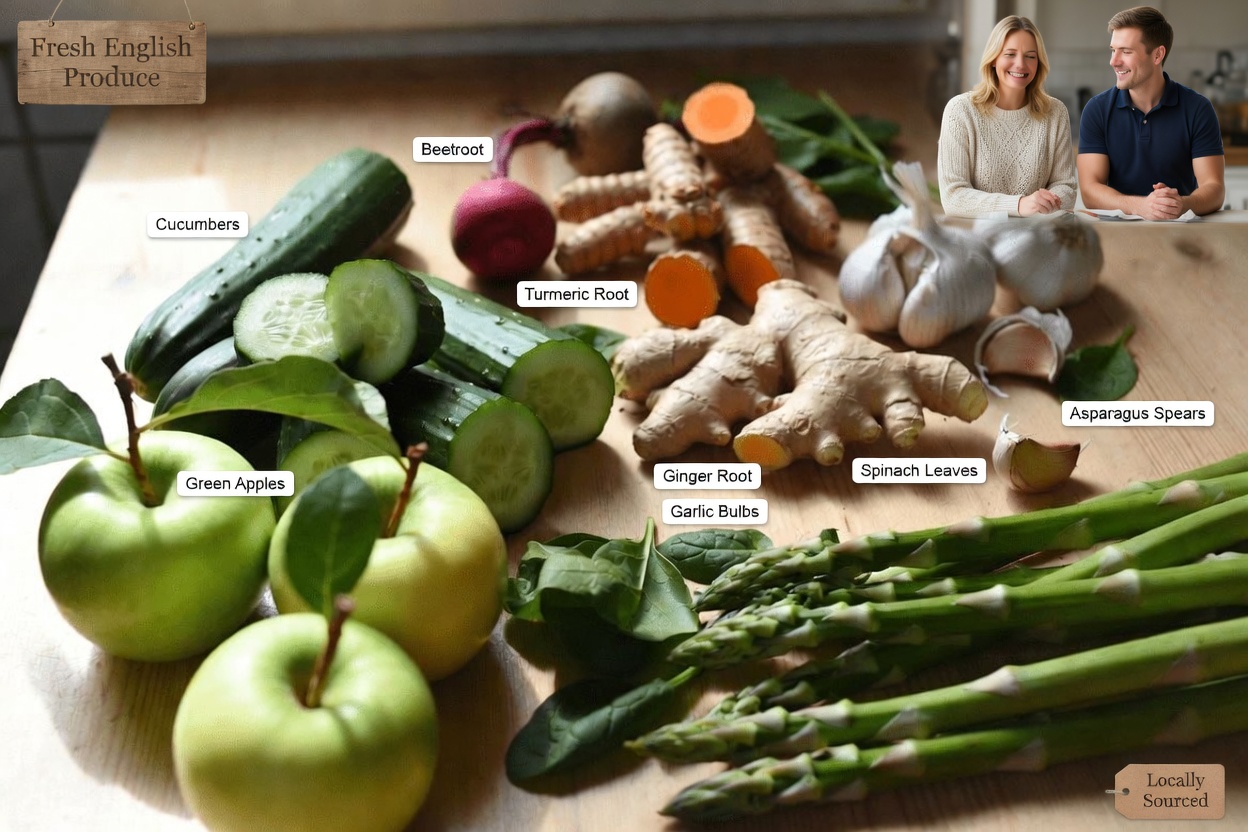
- Apples for pectin and soluble fiber
- Leafy greens for fiber and digestive regularity
- Cucumbers for hydration and light bulk
- Zucchini for gentle digestive support
- Onions, garlic, and asparagus for prebiotic fibers that feed healthy microbes
A simple place to start is with a sliced apple in the morning or chopped asparagus added to a stir-fry. Small daily changes like these can support digestion without requiring an extreme diet overhaul.
Supporting Kidney Function with Hydration and Nutrient-Rich Foods
The kidneys are responsible for filtering waste and helping control blood pressure and fluid balance. One of the most important ways to support them is by drinking enough water throughout the day.
Some vegetables frequently mentioned in nutrition guidance for kidney support include:
- Asparagus
- Cucumbers
- Beets
- Leafy greens such as spinach, in moderate amounts
Beets are especially interesting because they contain dietary nitrates, which the body can convert into nitric oxide. This compound may help support healthy blood flow. Spinach offers potassium and antioxidants, which may also contribute to overall wellness when eaten as part of a balanced diet.
A practical goal is to drink 8 to 10 glasses of water daily and add foods like steamed asparagus or a small beet salad to your meals a few times each week. After several days, pay attention to your energy levels and how your body feels.
Liver-Friendly Foods Commonly Supported by Research
The liver plays a central role in processing what we eat and drink. Because of this, a nutrient-dense diet can be especially important for liver support.
Cruciferous vegetables are often emphasized because they contain glucosinolates, compounds that research suggests may influence detoxification-related enzymes. Helpful options include:
- Broccoli
- Cauliflower
- Brussels sprouts
Other foods that have been studied for their potential liver-supportive properties include:
- Garlic, for sulfur-containing compounds
- Turmeric, thanks to curcumin
- Lemons and oranges, for vitamin C
- Beets, which some observational research connects with bile flow support
What makes these foods even more useful is that pairing them with healthy fats may improve nutrient absorption.
An easy daily routine could look like this:
- Start the morning with water and fresh lemon.
- Add broccoli or another cruciferous vegetable to lunch.
- Season roasted vegetables or protein with turmeric at dinner.
Foods That May Benefit Lung Function
The lungs face daily oxidative stress, which makes antioxidant-rich foods especially valuable. Certain herbs, spices, and produce have been studied for their possible role in respiratory wellness.
Foods often associated with lung support include:
- Garlic, which contains sulfur compounds
- Ginger, often linked to soothing and anti-inflammatory properties
- Turmeric, frequently studied for inflammation support
- Apples, which provide flavonoids
- Leafy greens, which offer antioxidants and vitamin C
- Blueberries, known for their rich antioxidant content
For better results in the kitchen:
- Crush garlic and let it rest for about 10 minutes before cooking
- Use fresh ginger in tea, soups, or stir-fries
- Pair turmeric with a little black pepper to improve absorption
- Choose apples or blueberries as easy snacks
Many people feel a difference in breathing comfort when these foods are part of a consistent routine that also includes regular movement.
Foods That May Support Healthy Blood Circulation
Circulation is essential because it helps move nutrients through the body and assists in carrying away waste products. Several foods have been studied for how they may support vascular health.
Top options include:
- Beets, which are high in nitrates
- Garlic, a source of allicin
- Leafy greens, which also contain nitrates
- Berries and citrus fruits, rich in flavonoids
The body converts nitrates into nitric oxide, which may help blood vessels relax and function more efficiently. Flavonoids found in berries and citrus are often associated with endothelial health, an important part of circulation.
Simple ways to add these foods include:
- Roasting beets with olive oil and herbs
- Mixing berries into yogurt or oatmeal
- Adding greens to salads, wraps, or smoothies
These habits are easy to maintain and can become part of a long-term healthy lifestyle.
Brain-Supporting Foods for Better Daily Focus
The brain uses a significant amount of the body’s energy, so it benefits from nutrients that support cognitive function, reduce oxidative stress, and help maintain healthy inflammation levels.
Foods commonly linked with brain support include:
- Fatty fish
- Walnuts
- Flaxseeds
- Blueberries
- Turmeric
- Leafy greens
Fatty fish and plant sources like walnuts and flaxseeds provide omega-3 fats. Blueberries are rich in antioxidants, and leafy greens contribute lutein and folate. Turmeric has also been studied for its potential role in cognitive wellness.
Easy ideas to try:
- Blend a smoothie with blueberries, spinach, and a dash of turmeric
- Keep walnuts on hand for an afternoon snack
- Add ground flaxseeds to oatmeal, yogurt, or smoothies
The key is consistency. For many people, noticeable improvements in mental clarity come from repeated healthy choices over time rather than one perfect meal.
Foods That Contribute to Eye Health
Your eyes rely on specific nutrients to maintain long-term function, especially carotenoids such as lutein and zeaxanthin, which help support retinal health and filter blue light.
Foods that supply these compounds include:
- Kale
- Spinach
- Broccoli
- Carrots
Other supportive choices are:
- Eggs, especially the yolk, for lutein
- Sweet potatoes, for vitamin A precursors
- Citrus fruits, for vitamin C
A simple daily habit is to include sautéed spinach, shredded carrots, or steamed broccoli alongside your main meals. Over time, these foods align well with common recommendations for vision wellness.

A Simple 7-Day Plan to Start Today
If you want to experiment with these foods without feeling overwhelmed, try this easy framework:
- Morning: Lemon water plus an apple or a serving of berries
- Lunch: A salad with leafy greens, cucumber, and a few slices of beet
- Snack: Walnuts or garlic hummus with carrot sticks
- Dinner: A stir-fry with broccoli or asparagus, ginger, and protein seasoned with turmeric
- Evening: Herbal tea with a slice of lemon
To make the results easier to notice, keep track of your digestion, energy, and focus in a notes app or journal. Many people report feeling better within 10 to 14 days when these changes are combined with restful sleep and light walking.
One of the most effective strategies is not just eating one helpful ingredient at a time, but combining several of them in a single meal.
The Overlooked Food Combination Worth Trying
A standout pairing is garlic, turmeric, and cruciferous vegetables. Nutrition research suggests that the compounds in these foods may work together in ways that support the body’s natural enzyme activity.
For even more flavor and added potential benefits, include ginger as well.
A simple way to use this combination is to roast broccoli with:
- Minced garlic
- Turmeric
- Olive oil
- Optional fresh ginger
This creates a meal that is easy to prepare, satisfying to eat, and packed with useful nutrients.
Conclusion: Small Food Choices Can Offer Meaningful Daily Support
Your body already has impressive systems for maintaining balance and removing waste. By regularly eating whole foods such as leafy greens, cruciferous vegetables, garlic, turmeric, beets, apples, berries, and citrus fruits, you provide those systems with the nutrients they need to perform at their best.
Begin with one or two realistic changes this week and build from there. Over time, those small choices can add up.
It is also important to remember that food is only one part of a healthy routine. Drink enough water, stay physically active, manage stress, and seek guidance from a healthcare professional for advice tailored to your needs.
FAQ
1. Can these foods replace medical treatment for organ-related conditions?
No. These foods can support overall wellness as part of a balanced diet, but they are not a substitute for professional care, medication, or treatment prescribed by a healthcare provider.
2. How soon might I notice changes after adding these foods?
Results differ from person to person. Some people notice improvements in digestion, energy, or mental clarity within several days to a couple of weeks, especially when these diet changes are paired with better sleep, hydration, and regular activity.