
What a 117-Year-Old Woman’s DNA Revealed About Healthy Aging
Growing older can sometimes feel exhausting. Energy may drop, joints may become stiff, and even ordinary daily activities can start to feel more demanding than they once did. Seeing these changes in yourself or in someone you love often brings understandable concern about long-term health and independence.
Still, new research offers encouraging insight. A detailed DNA study of a woman who lived to 117 uncovered important clues about longevity and healthy aging. One of the most fascinating findings was tied to a simple food she ate every day. According to researchers, that habit may have helped keep her gut microbiome unusually youthful.
Who Was Maria Branyas Morera, and Why Was Her DNA Studied?
Maria Branyas Morera lived an exceptionally long life. She died at 117 years and 168 days old and was recognized at the time as the world’s oldest verified living person. Although she was born in the United States, she spent most of her life in Spain. Over the course of her lifetime, she endured wars, global outbreaks, and even recovered from COVID-19 in old age.
Before her death, Maria agreed to let scientists study her biology in depth. Medical researchers collected samples including blood, saliva, urine, and stool to better understand what may have supported her remarkable health and lifespan.
The investigation was led by Dr. Manel Esteller of the University of Barcelona, and the findings were published in Cell Reports Medicine. Researchers compared Maria’s genome and gut microbiome with those of 75 other women from the same geographic area. Their goal was not to uncover a single anti-aging secret, but to examine how genes and lifestyle may have worked together in her case.
What the Longevity Study Found
One of the most striking discoveries was that Maria carried gene variants associated with protection against several common age-related problems, including inflammation and certain illnesses. However, the research made it clear that genetics were only part of the picture.
Her daily habits also appeared to matter greatly. She did not smoke, she avoided alcohol, remained socially connected, and ate in a Mediterranean style that included fish and olive oil. Among these habits, one stood out: she ate three servings of plain yogurt every day.
Scientists found that her gut microbiome resembled that of a much younger person. In particular, she had higher levels of beneficial bacteria such as Bifidobacterium, which are often associated with lower inflammation and stronger overall health resilience. The study did not prove that yogurt alone caused this effect, but researchers suggested that the live cultures in yogurt likely helped support that healthy microbial balance.
The findings also suggested something even broader. Her cells showed evidence of aging more slowly on a biological level than her actual age would suggest. That points to a powerful interaction between her genetics, diet, and overall lifestyle.
Why Yogurt May Help Support Healthy Aging
Gut health has become a major focus in longevity research, and for good reason. The digestive system contains trillions of microorganisms that affect digestion, immune function, inflammation, and even mood. As people age, the diversity of these bacteria often declines, which may contribute to greater physical stress and health challenges.
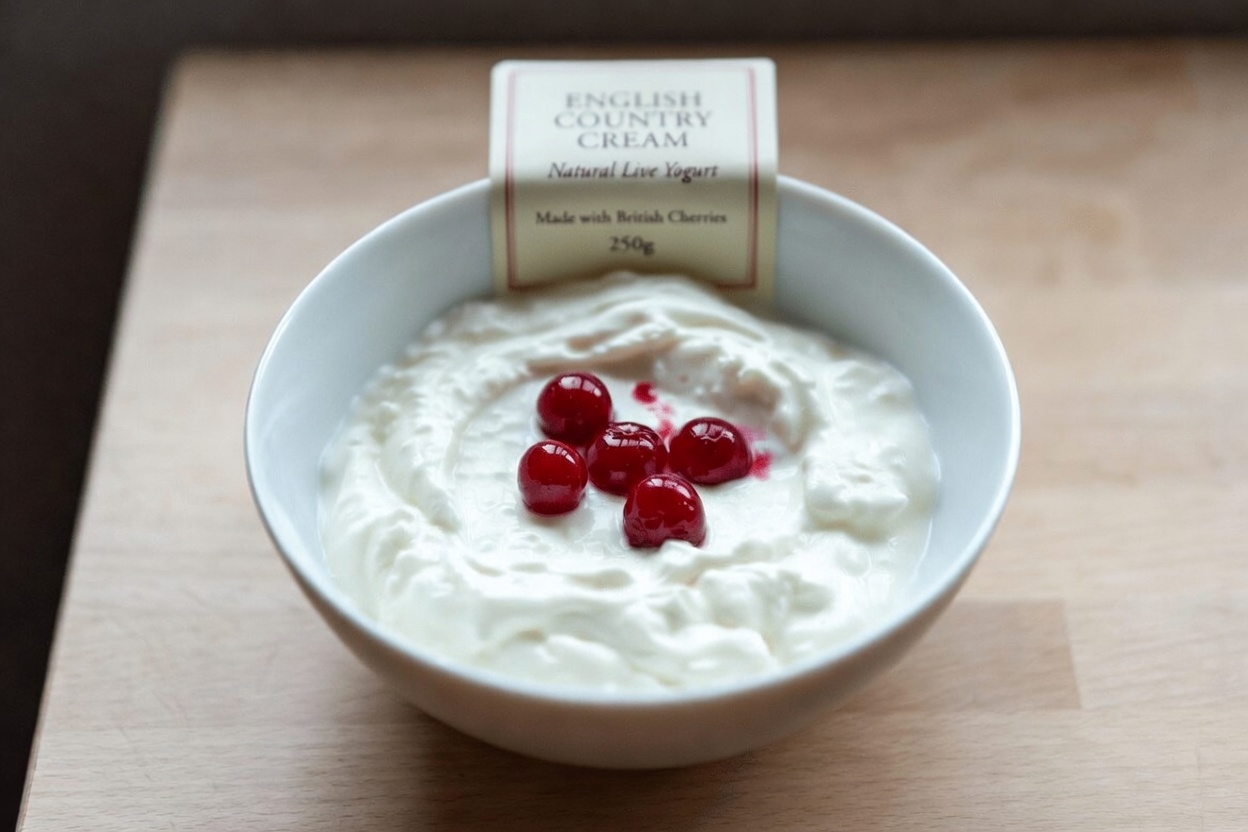
Yogurt that contains live cultures introduces beneficial bacteria into the gut. In Maria’s case, regular daily intake seemed to support a more balanced and diverse microbiome. More broadly, research on gut health suggests that eating patterns that nourish beneficial bacteria are often linked with healthier aging markers.
That said, no single food can deliver long life on its own. Yogurt appears most helpful when it is part of a larger pattern of nutritious eating and healthy living.
Other Habits That Likely Supported Her Long Life
Maria’s daily routine included several behaviors often associated with better long-term health. The study highlighted these factors as important pieces of the puzzle:
- Regular physical activity: She stayed active for as long as she could, which helps preserve cardiovascular health, mobility, and muscle function.
- Strong social ties: Continued connection with loved ones likely supported emotional and mental well-being.
- Mediterranean-style diet: Her meals included foods such as fish, olive oil, fruits, and vegetables, all of which provide nutrients linked to lower inflammation.
- No smoking or drinking: Avoiding tobacco and alcohol reduced unnecessary oxidative stress on the body.
Taken together, these habits helped create a strong foundation for healthy aging.
Easy Ways to Add Yogurt to Your Daily Routine
If you want to follow a habit similar to Maria’s, it does not have to be complicated. You can begin with small, manageable steps:
-
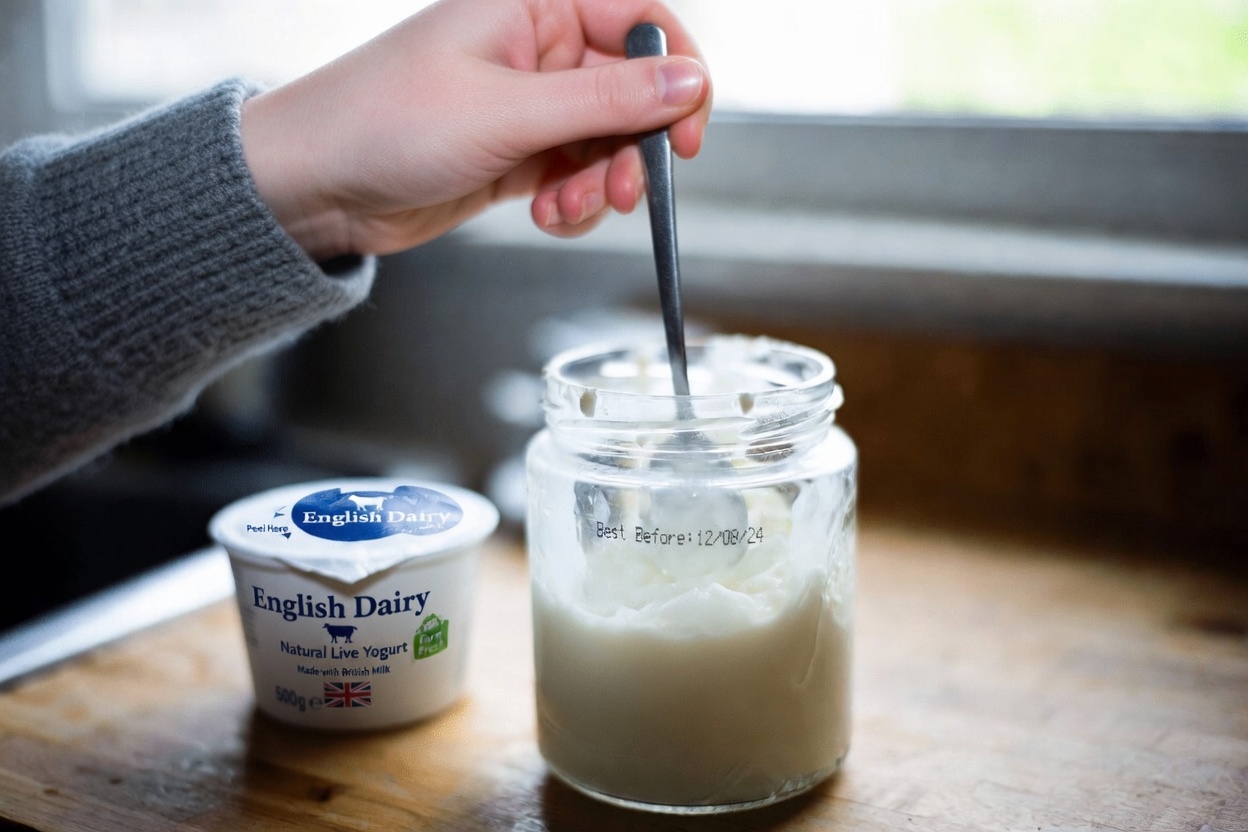
Pick plain yogurt with live active cultures
- Read the label and look for phrases such as “live cultures” or named bacterial strains like Lactobacillus and Streptococcus thermophilus.
-
Start with one serving a day
- A serving of about 150 to 200 grams can be eaten at breakfast with fruit or a few nuts.
-
Increase gradually if it suits you
- You can work up to two or even three servings spread throughout the day, such as morning, afternoon, and evening.
-
Avoid heavily sweetened versions
- Plain yogurt is usually a better choice because it provides probiotics without excess added sugar.
-
Combine yogurt with fiber-rich foods
- Pair it with berries, oats, seeds, or other high-fiber foods to help feed beneficial gut bacteria.
These simple habits are practical, affordable, and easy to fit into most lifestyles.
How to Choose the Best Yogurt for Longevity Support
Not every yogurt offers the same nutritional value. This quick guide can help you make a better choice:
-
Plain Greek yogurt
- Usually contains live cultures if listed on the label
- Typically low in sugar
- Excellent choice due to higher protein and a thick, satisfying texture
-
Plain regular yogurt
- Often includes live cultures
- Also low in sugar
- A very good everyday option that is usually easy to find and budget-friendly
-
Flavored yogurt
- May contain live cultures, but often has a lot of added sugar
- Less ideal for regular longevity-focused use
-
Plant-based yogurt
- Can be a good alternative if dairy-free
- Check the label carefully to make sure it contains live cultures
- Sugar content can vary widely
For the closest match to what researchers observed in Maria’s diet, plain yogurt with live cultures is the best option.
What This Means for Your Own Healthy Aging Plan
Maria Branyas Morera’s story is a reminder that long life is rarely about one dramatic solution. More often, it is shaped by small, repeated choices made over many years. While no one can replicate her exact genetic makeup, many of her habits are accessible to almost everyone.
The yogurt finding adds to growing scientific interest in the gut microbiome and its role in aging well. Supporting gut health through everyday food choices may be one meaningful way to help the body stay more resilient over time.
Healthy aging is not about instant transformation. It is about consistent daily care.
Frequently Asked Questions About Yogurt and Longevity
Can yogurt really help people live longer?
Regular yogurt consumption may support a healthier gut microbiome, and that is associated with better markers of aging in some studies. It should be viewed as one supportive habit within a broader healthy lifestyle, not a guarantee of longevity.
What type of yogurt did Maria eat?
She reportedly ate plain yogurt three times a day. Researchers believe its live bacterial cultures may have helped maintain a balanced and diverse gut microbiome.
Should I immediately start eating three servings a day?
It is usually better to begin slowly. Start with one serving of plain yogurt containing live cultures, then increase if it suits your digestion and overall diet. If you have health concerns or digestive issues, speak with a healthcare professional first.
Final Thoughts
The DNA study of Maria Branyas Morera offers a valuable lesson about healthy aging. Her exceptional lifespan appears to have been supported by a combination of favorable genetics, a balanced Mediterranean-style diet, physical activity, strong social bonds, and one especially simple habit: eating plain yogurt every day.
Her example suggests that supporting the gut microbiome may be an important part of aging well. By choosing nourishing foods, staying active, and maintaining meaningful relationships, people can take realistic steps toward better long-term health.
This article is for informational purposes only and should not be considered medical advice. Always consult a qualified healthcare professional before making significant changes to your diet or lifestyle, especially if you have an existing medical condition. Individual results may vary.