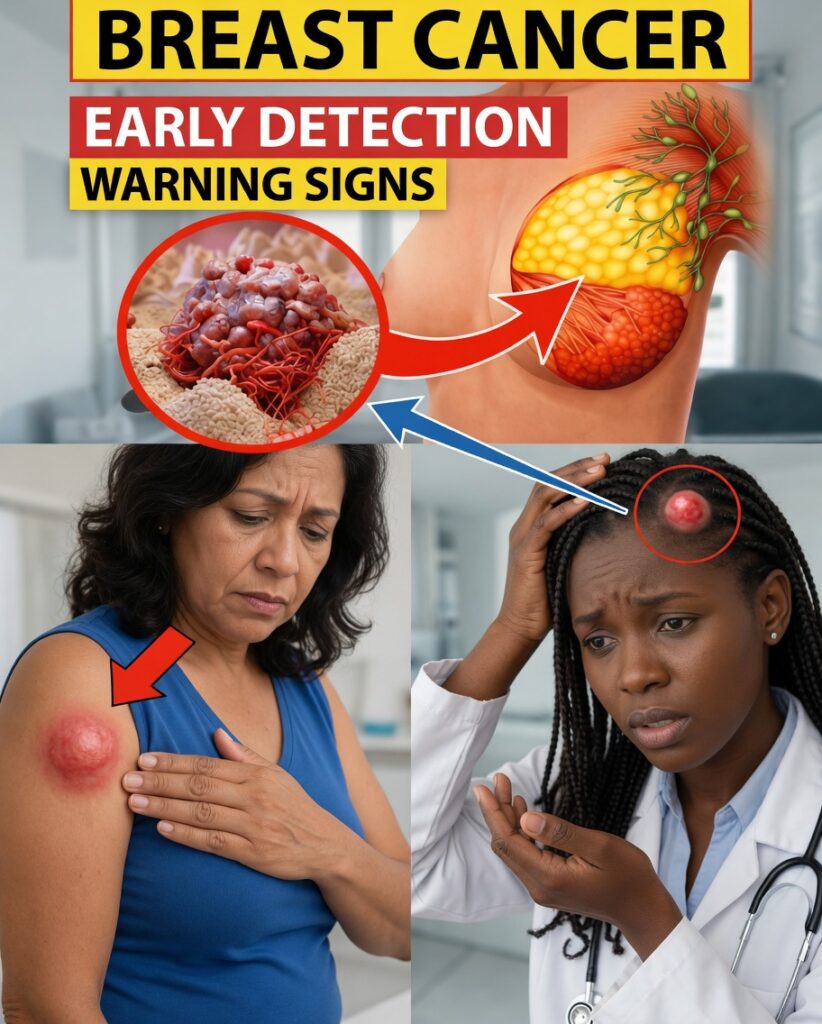
A Small Change in Your Breast Could Be an Early Warning Sign of Cancer
A subtle change in the breast can be the first clue that something isn’t right. Learning to spot early signs can significantly improve your chances of successful treatment.
Many women dismiss minor body changes as hormones, stress, fatigue, or “something that will pass.” But what if those quiet signals are your body trying to alert you? Breast cancer is one of the most common cancers affecting women worldwide, and early detection can be the difference between a straightforward treatment plan and a much more complex situation.
The encouraging news: your body often gives warning signs. The key question is whether you know how to recognize them. Below are 10 important symptoms that may be associated with breast cancer—plus what to watch for to better protect your health.
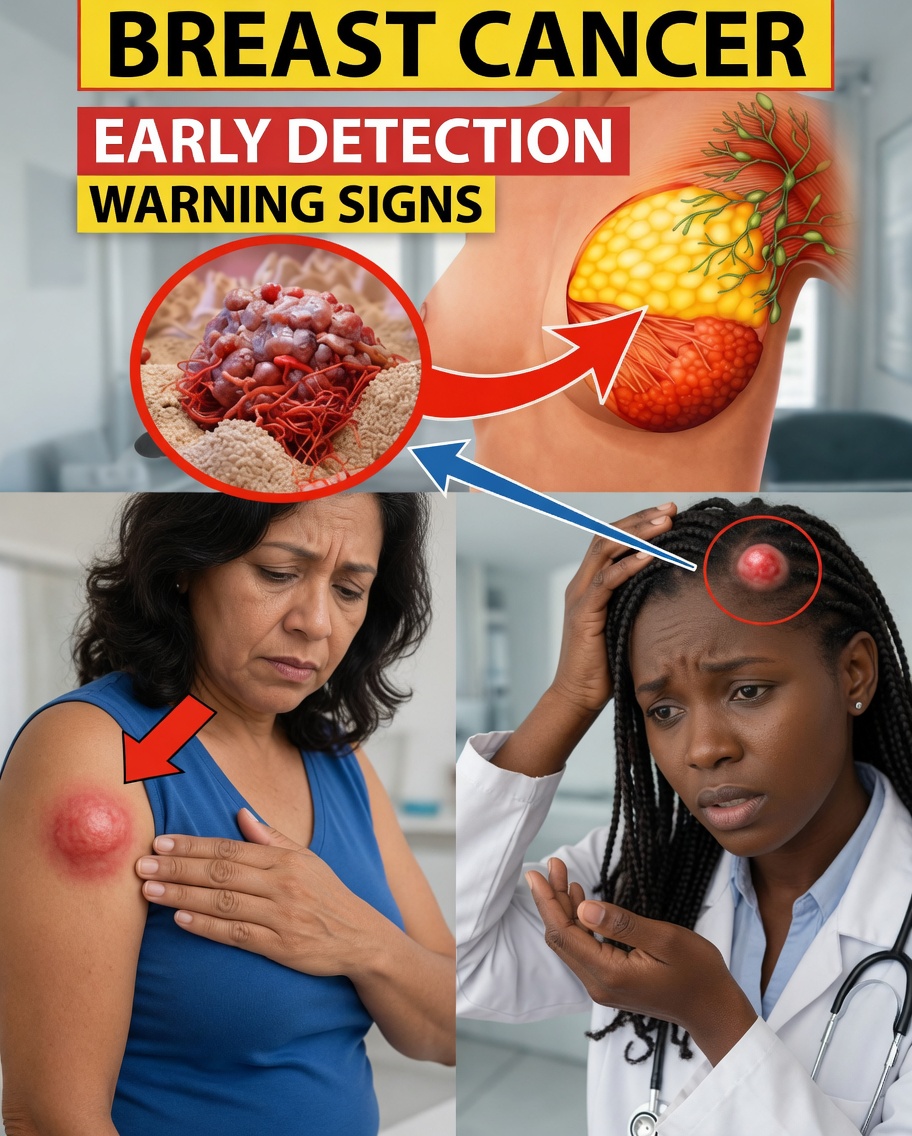
Why Paying Attention to Breast Cancer Matters
Research indicates that about 1 in 8 women may develop breast cancer during their lifetime. However, when the disease is found early, treatment success rates are very high.
Many people overlook early symptoms due to fear or because they assume “it’s probably nothing.” Still, noticing unusual or persistent changes in your body can be life-saving.
10 Breast Cancer Warning Signs You Shouldn’t Ignore
10. A Noticeable Change in Breast Size or Shape
If one breast suddenly looks larger, smaller, or shaped differently without an obvious reason, it deserves attention.
Hormonal shifts can cause minor changes, but persistent or clearly uneven differences should be evaluated by a healthcare professional.
9. Skin Texture Changes (Orange-Peel Appearance)
Skin that looks dimpled, puckered, or similar to an orange peel may point to changes in breast tissue or the lymphatic system.
This can also make the skin feel thicker, tighter, or unusually firm.
8. Ongoing Itching, Irritation, or Redness
Persistent itching, redness, or irritation that doesn’t improve with typical skincare or creams should not be brushed off.
It can resemble an allergy or infection, but symptoms lasting for weeks warrant medical assessment.
7. A Hard Lump or a Firm Area
A newly discovered lump in the breast or underarm is one of the best-known warning signs.
These lumps are often described as:
- Hard
- Irregular in shape
- Less mobile (not easily moved under the skin)
Not every lump is cancer, but any new lump should be checked.
6. Breast or Nipple Pain That Doesn’t Go Away
Breast tenderness related to the menstrual cycle is common. However, pain that is persistent, localized, or consistently occurs in one spot should be investigated.
5. Swelling in Part (or All) of the Breast
A breast may feel swollen, heavy, or enlarged, even when no clear lump is present.
Swelling can appear suddenly and may come with:
- Redness
- A warm sensation
4. A Nipple That Turns Inward or Changes Position
If a nipple begins to pull inward, flatten, or shift direction unexpectedly, it may reflect internal changes within the breast.
3. Dry, Flaky, or Peeling Skin Around the Nipple
Skin changes around the nipple—such as flaking, crusting, or eczema-like irritation—can be a warning sign, especially if they don’t resolve.
It may also cause burning or itching.
2. Nipple Discharge (When Not Breastfeeding)
Any fluid that comes out of the nipple without squeezing, especially if it is:
- Clear
- Yellowish
- Bloody
should be evaluated—particularly if it happens only on one side.
1. Swollen Lymph Nodes in the Armpit or Near the Collarbone
Enlarged lymph nodes in the armpit or above/near the collarbone can be an early sign that requires medical attention.
In some cases, this may be the first noticeable symptom.
Normal Changes vs. Concerning Signs
Common (Often Benign) Changes
These are frequently not serious, though they can still be discussed with a clinician:
- Breast pain linked to the menstrual cycle
- Small, movable cysts
- Temporary swelling
Changes That Deserve Prompt Evaluation
These signs are more concerning when persistent:
- Hard, fixed lumps
- Skin dimpling or thickening
- Ongoing, noticeable asymmetry
- Nipple discharge
What You Can Do Today to Support Early Detection
Simple habits can improve breast awareness and help catch changes earlier:
-
Do a monthly self-check
After your period, use your fingertips to feel the entire breast and the underarm area. -
Look in the mirror
Raise and lower your arms to spot changes in shape, skin texture, or nipple position. -
Write down changes
Keeping notes makes it easier to notice patterns or progression over time. -
Stay up to date with routine screenings
Talk with a healthcare professional about mammograms and other preventive exams appropriate for your age and risk factors.
The Power of Early Detection
Knowledge is a form of protection. The earlier a breast change is noticed, the greater the chance of effective treatment and full recovery.
If you observe any persistent change in your breasts, seek evaluation from a qualified healthcare professional for proper guidance.
Disclaimer
This content is for informational purposes only and does not replace professional medical advice. Always consult a qualified healthcare provider if you notice breast changes or have concerns about your health.