Why Vaginal Odor Can Change After Menopause
Many women become aware of shifts in their intimate scent as they get older, particularly after menopause. This can feel surprising or uncomfortable, but it is often linked to normal hormonal changes rather than poor hygiene. As estrogen levels decline, vaginal pH and the balance of healthy bacteria can change too, sometimes creating a stronger, different, or musky odor.
This experience is extremely common. For many women, the cause is simply the body adapting to aging. Still, one long-standing hygiene habit may actually make the issue more noticeable instead of improving it.
In this article, we’ll look at why odor may change after menopause, the common hygiene mistake experts warn against, and simple ways to feel fresher and more comfortable every day.
What Causes Vaginal Odor Changes After Menopause?
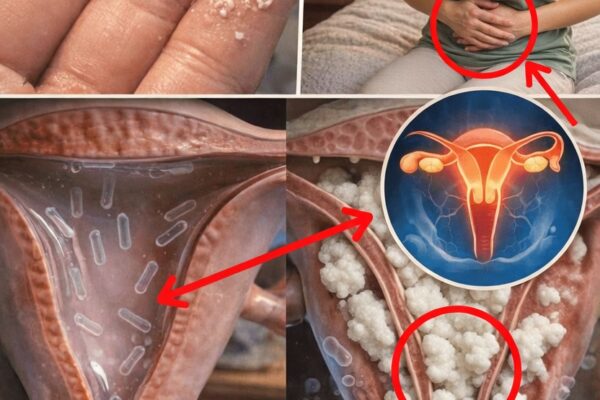
After menopause, the body produces much less estrogen. This hormone plays an important role in keeping vaginal tissues healthy, maintaining moisture, and supporting an acidic environment where beneficial bacteria, especially Lactobacilli, can thrive.
When estrogen drops, several things often happen:
- Vaginal tissue may become thinner
- Natural lubrication tends to decrease
- Vaginal pH may become less acidic and more alkaline, often rising above 5.0
- The balance of bacteria can shift
Because of these changes, different bacteria may grow more easily, which can affect scent. Some women notice a stronger, earthier, or muskier odor than they did before menopause.
Dryness, minor imbalances, and even daily habits can also influence how noticeable this odor becomes. The encouraging part is that small adjustments often make a meaningful difference.
The Hygiene Habit That Can Make Odor Worse
One practice many gynecologists advise women to avoid, especially after age 50, is vaginal douching. Although it has long been marketed as a way to feel cleaner or reduce odor, research suggests it often does the opposite.
Douching means flushing the vagina with water or a store-bought cleansing solution. It may create a temporary feeling of freshness, but it can also remove the protective bacteria that help keep the vaginal environment stable.
For postmenopausal women, this matters even more. Because hormonal changes already make the vaginal microbiome more delicate, douching can:
- Disrupt natural pH balance
- Wash away beneficial bacteria
- Increase irritation
- Worsen dryness
- Make it easier for odor-causing bacteria to grow
Trusted health sources such as WebMD and Healthline note that douching is not recommended because it interferes with the vagina’s natural ecosystem. Instead of solving persistent odor, it can increase the chance of ongoing imbalance.
Better Ways to Stay Fresh Every Day
A better approach is gentle external care that works with your body, not against it. The vagina is self-cleaning, so internal cleansing is unnecessary. Many women feel more comfortable by focusing on simple habits that support natural balance.
A Gentle Daily Routine
- Wash only the outside area: Clean the vulva with warm water and a mild, fragrance-free soap during your shower. There is no need to clean internally.
- Dry the area gently: Pat dry rather than rubbing, especially if the skin feels sensitive.
- Wear breathable fabrics: Cotton underwear and loose clothing help reduce trapped moisture.
- Change out of damp clothes quickly: After exercise, swimming, or sweating, switch into dry clothing as soon as possible.
- Stay hydrated: Drinking enough water supports overall body balance.
- Include probiotic foods: Foods like yogurt may help support healthy bacterial balance.
These habits can improve comfort and freshness without disturbing the vaginal environment.
Practical Tips to Feel More Comfortable
If you want easy steps you can start today, consider the following:
-
Choose unscented products
- Avoid scented sprays, wipes, soaps, and other feminine hygiene products that may irritate the skin.
-
Support moisture if dryness is a problem
- If you often feel dry or uncomfortable, ask your doctor about non-medicated vulvar moisturizers available over the counter.
-
Improve underwear care
- Wash underwear in hot water when appropriate and skip fabric softeners that may leave irritating residue.
-
Pay attention to changes
- Mild scent changes are often normal, but sudden or unusually strong odor should not be ignored, especially if other symptoms appear.
Many women notice improvement simply by stopping douching and switching to a gentler external care routine.

Helpful Habits vs. Habits That May Disrupt Balance
Here is a simple comparison of common habits and how they may affect odor after menopause:
| Habit | Possible Effect on Odor in Older Women | Recommendation |
|---|---|---|
| Daily external washing with mild soap | Helps maintain cleanliness without disturbing natural balance | Highly recommended |
| Vaginal douching | Disrupts pH and removes beneficial bacteria, which may worsen odor | Avoid |
| Wearing synthetic underwear | Traps moisture and may encourage bacterial overgrowth | Choose cotton instead |
| Using scented feminine products | Can irritate sensitive skin and upset balance | Use unscented products |
| Staying hydrated and physically active | Supports overall body balance and may reduce concentrated sweat | Beneficial |
Even small lifestyle changes can improve day-to-day comfort.
When to See a Healthcare Professional
Although many odor changes after menopause are completely normal, some symptoms should be evaluated by a medical provider. Make an appointment if you have a strong or persistent odor along with:
- Itching
- Burning
- Unusual discharge
- Pain or discomfort
- Sudden changes that feel abnormal for you
A healthcare professional can check for infection, irritation, or other common causes and recommend the safest treatment for your situation.
Conclusion
Changes in personal scent are a normal part of aging for many women, especially after menopause. Lower estrogen can affect pH, moisture, and bacterial balance, making odor more noticeable. But one habit in particular, vaginal douching, may actually make the problem worse by disturbing the body’s natural protection.
The best approach is usually simple: gentle external cleansing, breathable clothing, good hydration, and attention to what feels normal for your body. With a few informed changes, many women regain a sense of freshness, confidence, and comfort.
FAQ
Why does vaginal odor change after menopause?
Estrogen levels fall after menopause, which can alter vaginal pH and the balance of healthy bacteria. This often leads to subtle scent changes that are a normal part of aging.
Can douching help get rid of vaginal odor?
No. Experts generally agree that douching disrupts the natural vaginal environment and can make odor worse rather than better.
What should I do if gentle hygiene changes do not help?
If odor continues or comes with symptoms like burning, itching, or unusual discharge, see your doctor. They can identify the cause and suggest safe, personalized treatment.