Yarrow: 15 Impressive Health Benefits and Practical Ways to Use It
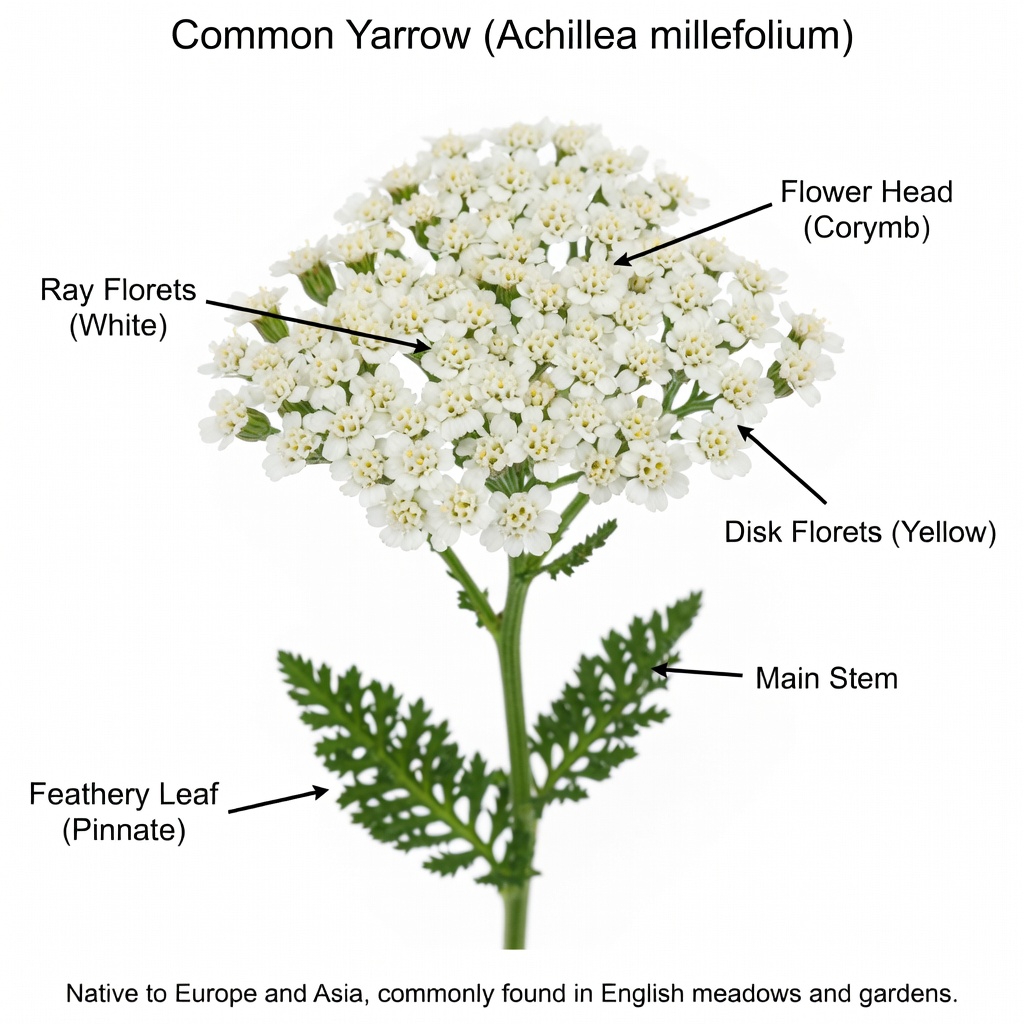
Yarrow (Achillea millefolium) is a hardy perennial herb that has been valued for generations in traditional medicine. For centuries, people have turned to this plant to help stop bleeding, calm fevers, and support overall wellness. Found naturally in meadows and grasslands around the world, yarrow is easy to recognize by its delicate, fern-like leaves and clusters of white or pale pink blossoms.
Today, yarrow remains a popular herb in natural and holistic health thanks to its wide range of uses and powerful plant compounds. Below, we take a closer look at 15 noteworthy benefits of yarrow and simple ways to make it part of your everyday routine.

15 Health Benefits of Yarrow
1. Supports Wound Healing
Yarrow is well known for its astringent and anti-inflammatory properties, which can help the body recover from minor cuts, bruises, and skin injuries. When used topically, it may encourage clotting and help lower the chance of infection.
2. Promotes Better Digestion
This herb has long been used to ease common digestive complaints such as bloating, stomach cramps, gas, and indigestion. Yarrow may also stimulate bile production, which helps the body digest food more efficiently.
3. Helps Ease Menstrual Discomfort
Yarrow has traditionally been used to support women’s health, especially during menstruation. Its antispasmodic effects may reduce cramping, while its balancing action can help with heavy periods and cycle irregularities.

4. Helps Reduce Fever
In traditional herbal practices, yarrow was often used to encourage sweating during illness. This sweat-inducing effect may help the body cool down and support recovery during colds or the flu.
5. Fights Inflammation
Yarrow contains natural compounds such as tannins and flavonoids that may help calm inflammation. Because of this, it is often considered useful for joint discomfort, arthritis-related pain, and irritated skin.
6. May Help Regulate Blood Pressure
Yarrow is believed to support healthy blood pressure by encouraging blood vessels to relax. This vasodilating effect may improve circulation and reduce strain on the cardiovascular system.
7. Improves Circulation
By helping blood vessels expand and supporting smoother blood flow, yarrow may promote better circulation throughout the body. This makes it a valuable herb for overall heart and vascular health.

8. Offers Antiseptic Benefits
Yarrow contains plant compounds with antibacterial and antiseptic effects. Applied externally, it may help protect minor cuts, burns, and skin irritations from unwanted bacterial exposure.
9. Supports Respiratory Health
This herb may help clear congestion and soothe inflammation in the respiratory tract. Thanks to its expectorant qualities, yarrow is often used to loosen mucus and support relief from colds, bronchitis, and asthma-related discomfort.
10. Aids Natural Detoxification
Yarrow supports the body’s natural cleansing processes through both diuretic and diaphoretic actions. In other words, it may help remove excess fluids and waste through urine and perspiration.
11. Helps Relieve Stress and Anxiety
Yarrow is considered calming to the nervous system. A warm cup of yarrow tea may help reduce tension, ease anxious feelings, and encourage a greater sense of relaxation.

12. Supports Immune Function
Rich in antioxidants, yarrow may help strengthen the body’s defenses against illness. Regular use is often associated with better immune resilience, especially during cold and flu season.
13. Promotes Healthier Skin
Yarrow can be beneficial for inflamed or blemish-prone skin. Its astringent nature may help tone the skin, refine the look of pores, and improve overall texture while calming irritation.
14. May Help with Varicose Veins
Because it supports circulation and helps reduce inflammation, yarrow is often used in herbal care for varicose veins. It may help lessen discomfort and reduce the appearance of swollen veins.
15. Supports Weight Management
Yarrow may be a helpful addition to a healthy weight management plan. By supporting metabolism, digestion, and fluid elimination, it can complement habits that encourage a balanced body weight.

How to Use Yarrow
Yarrow can be prepared in several different ways depending on your wellness goals.
Tea
Yarrow tea is one of the most common and accessible options. Steep dried yarrow flowers in hot water for about 10 to 15 minutes. Up to three cups per day is a typical amount for those seeking its general wellness benefits.
Tincture
A yarrow tincture offers a more concentrated form of the herb. Small amounts, usually around 10 to 15 drops, can be taken under the tongue or mixed into water. This form is often chosen for digestive support or menstrual discomfort.
Poultice
For minor wounds, bruises, or inflamed areas, a fresh yarrow poultice can be made by crushing the leaves and flowers and applying them directly to the skin.
Salve
Yarrow-infused oils or salves are commonly used for external skin concerns such as rashes, eczema, and varicose veins. These preparations make topical use easy and convenient.
Essential Oil
Yarrow essential oil can be diluted in a carrier oil for massage or added to a bath. Its soothing, anti-inflammatory, and antiseptic properties also make it a useful option in natural skincare.
Final Thoughts
Yarrow is a remarkably versatile medicinal herb with a long history of traditional use. From supporting digestion and menstrual comfort to helping with wound care, skin health, circulation, and immune function, it offers an impressive range of natural benefits.
Whether you choose yarrow as a tea, tincture, salve, or poultice, it can be a valuable addition to a wellness-focused lifestyle. As with any herbal remedy, it is wise to use it carefully and speak with a qualified healthcare professional before making it a regular part of your health routine.