Olive Leaf and Viral Health Claims: What Science Really Supports
It can be draining to keep seeing online posts that make sweeping promises about simple leaves supposedly being able to “wipe out” serious illnesses while the medical world says nothing. When you are concerned about your own long-term health or the well-being of someone close to you, those messages can feel both comforting and deeply confusing.
The reality is that separating truth from hype has become increasingly difficult, especially when emotional testimonials and sensational headlines spread at lightning speed. What many people overlook, however, is that the true value of olive leaf may be far less dramatic than viral posts suggest—and far more useful in everyday life.
Why Viral Health Claims Gain Attention So Quickly
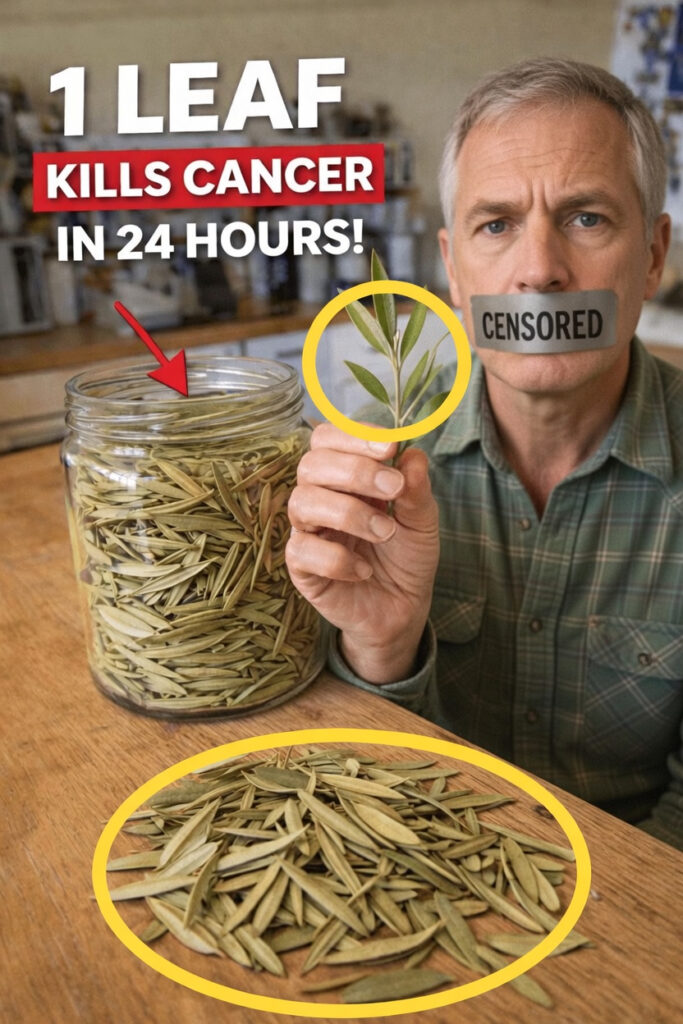
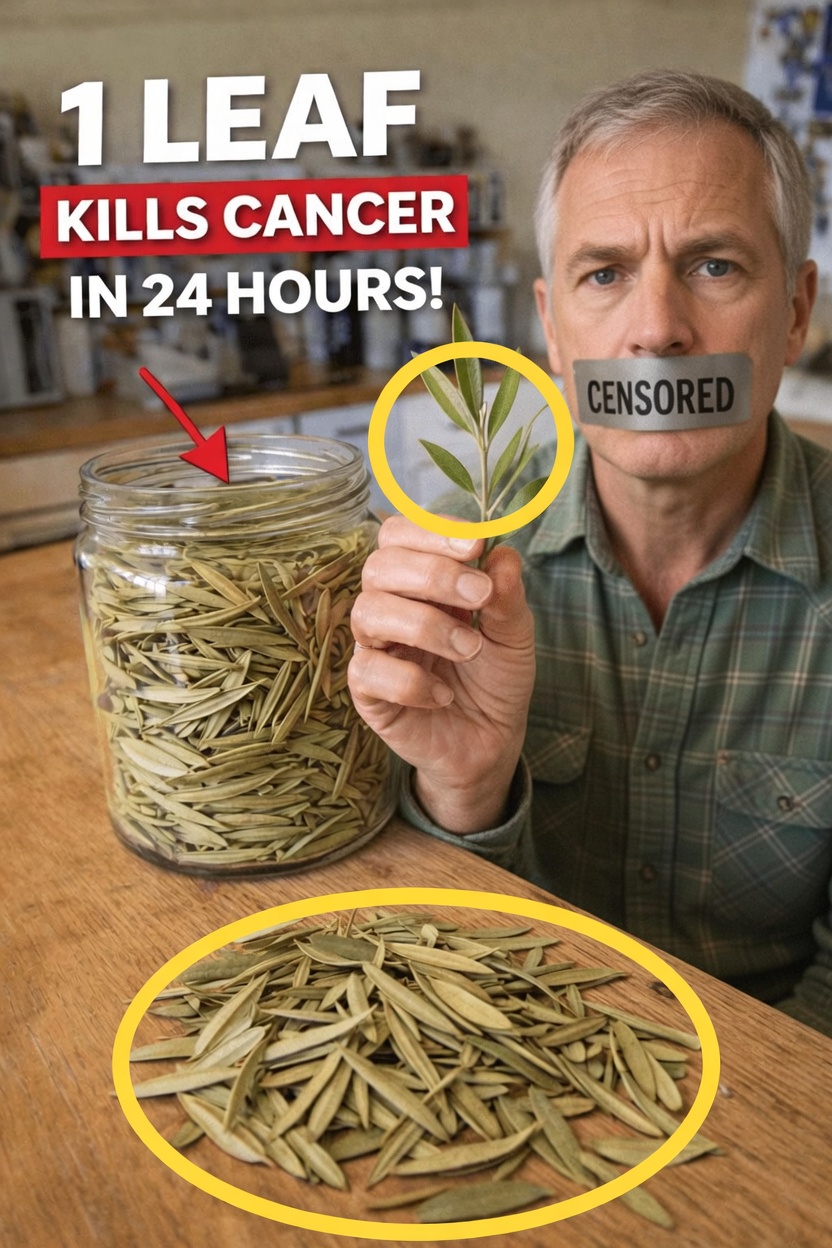
We have all come across them: a picture of dried leaves in a jar, a bold caption, and the implication that a powerful natural remedy is being kept from the public.
But real health is rarely that simple.
Serious diseases, including cancer, are highly complex. They involve genetics, immune system activity, environmental exposure, and lifestyle patterns. No single herb, food, or leaf can take the place of evidence-based medical treatment.
That does not mean plants have no value. Some have been studied for how they may support overall wellness, and olive leaf is one of them. The important difference is in how those benefits are described.
A more useful question is not whether olive leaf can destroy disease, but this:
How can olive leaf be part of a balanced, science-based wellness routine?
Let’s look at that more closely.
What Is Olive Leaf and Why Is It Used?
Olive leaf comes from the olive tree, known scientifically as Olea europaea. While olives and olive oil are famous staples of the Mediterranean diet, the leaves have also been used for generations in traditional herbal practices.
Historically, olive leaf tea and extracts have been used to support:
- Immune health
- General energy and vitality
- Heart and circulatory wellness
- Antioxidant intake
One of the main compounds researchers focus on is oleuropein, a natural plant substance known for its antioxidant activity.
That is where the topic becomes especially interesting.
What Research Actually Says About Olive Leaf
The best way to evaluate olive leaf is without exaggeration.
Studies show that olive leaf extract contains polyphenols, particularly oleuropein, which may:
- Help protect cells from oxidative stress through antioxidant action
- Support healthy inflammatory balance
- Contribute to certain cardiovascular health markers
- Help maintain normal immune function
Some laboratory research has explored how compounds in olive leaf interact with cells under controlled conditions. However, these findings are still early and should not be confused with proven treatment effects in humans.
That difference is critical.
Results seen in a lab do not automatically translate into real-world clinical outcomes. To confirm meaningful benefits in people, researchers need large, well-designed human studies.
Reviews published in nutrition and phytotherapy literature suggest that olive leaf extract may be a supportive addition to a healthy lifestyle. Still, it is not a stand-alone answer for serious medical conditions.
The key message is simple:
Olive leaf may support wellness, but it does not replace professional medical care.
Why Antioxidants Matter in Everyday Health
The term antioxidants gets mentioned often, but it is not always explained clearly.
Your body constantly faces oxidative stress. This is a natural process linked to metabolism, pollution, emotional stress, and other environmental influences. When oxidative stress becomes excessive over time, it may affect cellular health.
Antioxidants help by neutralizing unstable molecules called free radicals.
Common antioxidant-rich foods include:
- Berries
- Leafy green vegetables
- Nuts and seeds
- Green tea
- Olive oil and olive leaf
Olive leaf is just one source in a much bigger picture. It works best alongside a nutrient-dense diet, regular exercise, restorative sleep, and good stress management habits.
Olive Leaf vs. Olive Oil: What’s the Difference?
People often assume olive leaf and olive oil offer the same benefits because they come from the same tree. In reality, they are quite different nutritionally.
Here is a simple breakdown:
Olive Oil
- High in monounsaturated fats
- Contains vitamin E and beneficial polyphenols
- Strongly supported by research for heart health
Olive Leaf Extract
- Very low in fat
- More concentrated in oleuropein
- Studied mainly for antioxidant and immune-supporting potential
Both may contribute to wellness, but they are not interchangeable.
The Mediterranean diet, which emphasizes olive oil, vegetables, legumes, and whole grains, has strong evidence behind its long-term health benefits. Olive leaf supplements are generally considered an added option, not the core foundation.
Why “Hidden Natural Cure” Claims Can Be Misleading
This point matters.
When content suggests that doctors are concealing a natural cure, it often appeals to fear and distrust. In reality, healthcare professionals rely on evidence. If a simple leaf had truly been proven to eliminate complex diseases, it would already be widely used.
Science does not suppress effective treatments. It investigates them.
The idea of a secret solution is emotionally powerful, but lasting health is rarely built on shortcuts. It usually comes from consistent, practical habits repeated over time.
How to Use Olive Leaf Safely
If you want to add olive leaf to your routine for general wellness, it is best to do so thoughtfully.
1. Choose a Reliable Product
Look for olive leaf products that:
- Provide standardized extract details
- Clearly state oleuropein content
- Have quality and purity testing
Be cautious of labels that make dramatic or unrealistic claims.
2. Start With a Moderate Amount
Begin with the serving size recommended by the manufacturer. Taking more does not necessarily mean getting better results. Herbal products can affect people differently and may interact with medications.
3. Combine It With Core Health Habits
Olive leaf is most useful when paired with:
- A diet rich in vegetables and whole foods
- Regular physical activity
- Good hydration
- Stress-management practices
- Routine medical care and checkups
These habits matter far more than any single supplement ever will.
4. Speak With a Healthcare Professional
If you take medication for blood pressure, blood sugar, or any chronic condition, talk to a qualified healthcare provider before using olive leaf or any herbal supplement.
This is especially important for safety.
Common Myths About Natural Leaves and Serious Disease
Let’s clear up a few common misconceptions.
Myth 1: Natural means completely safe
Reality: Natural substances can still cause side effects or interact with medications.
Myth 2: If something works in a lab, it will work in people
Reality: Human biology is far more complex than isolated cells in a controlled experiment.
Myth 3: Doctors ignore natural remedies
Reality: Many healthcare professionals support nutrition, lifestyle changes, and complementary approaches when evidence supports them.
The good news is that improving your health does not require extreme promises.
The Real Power of Small Daily Habits
Research repeatedly shows that long-term health is shaped by consistent behavior.
People who regularly:
- Eat more plant-based foods
- Maintain a healthy body weight
- Stay physically active
- Avoid smoking and tobacco
- Manage stress effectively
often experience better health outcomes over time.
Olive leaf may be one helpful piece of that larger puzzle, but it is not the whole picture.
And that question from the beginning?
Here is the answer:
The real secret is not hidden in a jar of leaves. It is found in the steady, ordinary habits you practice day after day.
Frequently Asked Questions
Is olive leaf safe for daily use?
For most healthy adults, moderate use of a high-quality olive leaf product is generally considered safe. However, anyone with a medical condition or anyone taking medication should check with a healthcare professional first.
Can olive leaf replace medical treatment?
No. Olive leaf should never be used as a substitute for prescribed treatment. It may support general wellness, but it does not replace professional medical care.
What is the best way to take olive leaf?
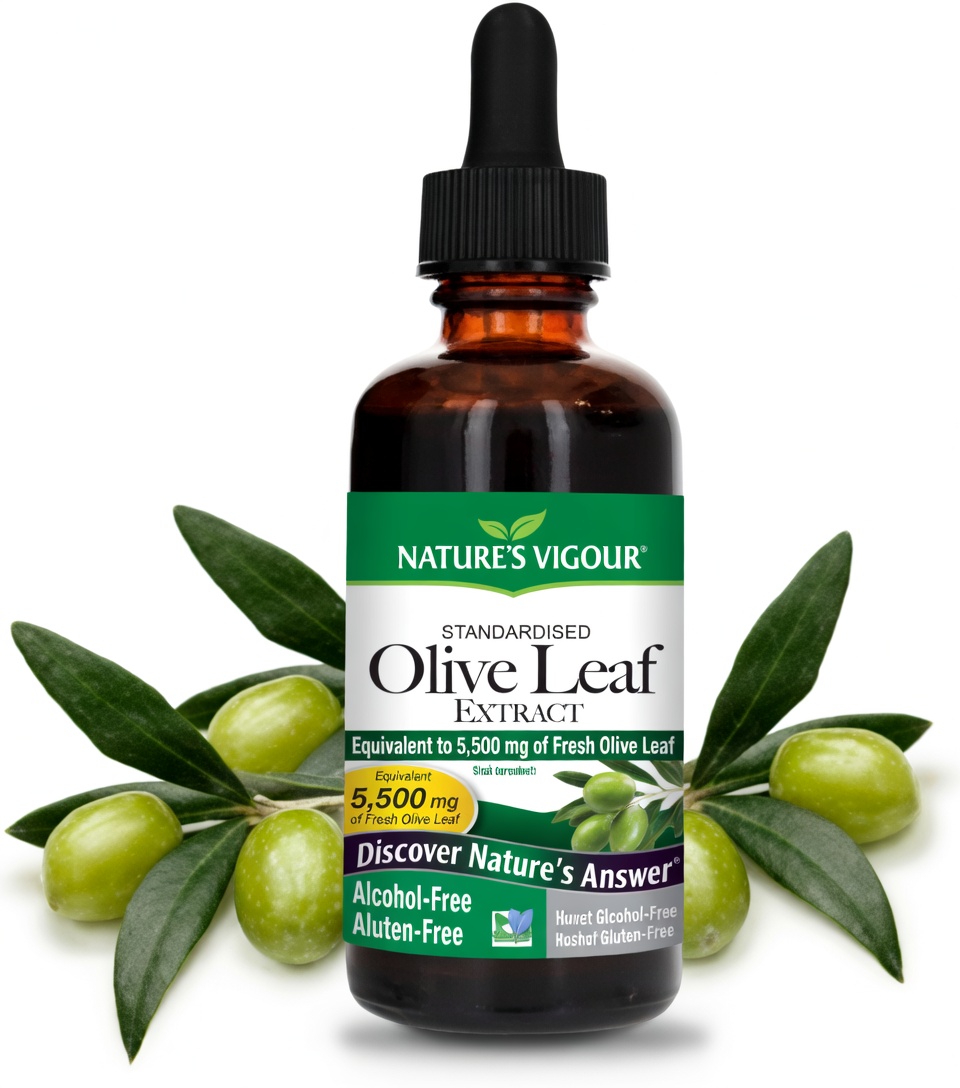
Olive leaf is commonly sold as tea, capsules, and liquid extract. The best option depends on personal preference and product quality. Always follow the instructions provided and consult a healthcare provider if you are unsure.
Final Thoughts
Olive leaf has promising qualities, particularly because of its antioxidant compounds, and it may have a place in a wellness-focused lifestyle. But it should be viewed realistically: as a supportive tool, not a miracle cure.
When evaluating online health claims, the smartest approach is to stay curious, check the evidence, and focus on habits that are proven to support long-term well-being. In the end, informed choices will always serve you better than viral promises.