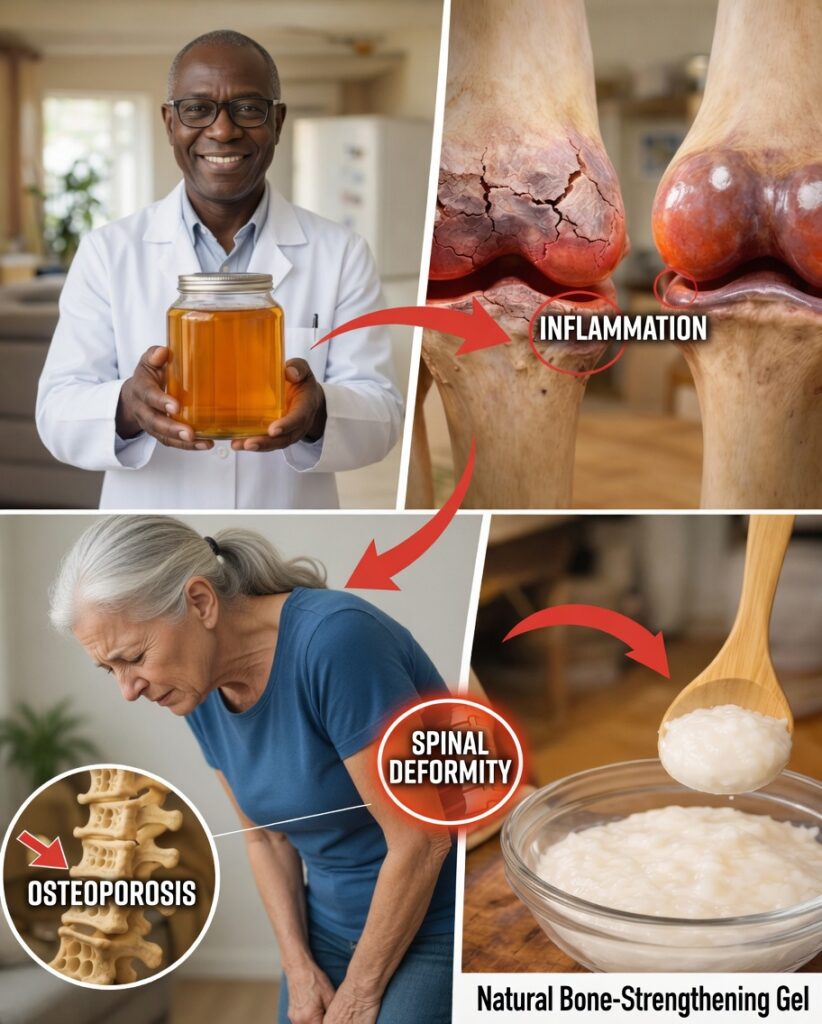
Knee Pain When Climbing Stairs? These Natural Foods May Help Reduce Inflammation and Support Cartilage
Knee discomfort often starts quietly—maybe mild morning stiffness, or a nagging ache after going up stairs. Over time, that “small” pain can interfere with everyday life, limit mobility, and make routine tasks feel exhausting. As we age, cartilage naturally thins, and repeated strain or chronic inflammation can speed up that wear.
The encouraging part: certain natural, nutrient-dense foods—packed with antioxidants, healthy fats, and joint-supporting compounds—may help nourish cartilage and promote better joint function. Can simple nutrition changes make your knees feel more comfortable? The foods below are a smart place to start.
Why Diet Matters for Knee Joint Health
Cartilage acts like a shock absorber between bones, allowing smooth movement and helping protect the joint from impact. When cartilage breaks down, the result is often swelling, stiffness, and pain.
Research suggests that eating patterns rich in anti-inflammatory nutrients and collagen-supporting compounds—such as vitamin C, omega-3 fatty acids, and key minerals—can contribute to healthier joints. Whole-food dietary approaches similar to the Mediterranean-style diet are frequently linked with lower inflammation and improved joint comfort.
No single food can fully restore lost cartilage. However, a balanced, anti-inflammatory diet can help protect existing cartilage, support joint tissues, and potentially reduce discomfort over time.
Best Foods to Support Knee Cartilage and Reduce Inflammation
1) Fatty Fish: A Natural Anti-Inflammatory Boost
Salmon, sardines, mackerel, and herring are excellent sources of omega-3s (EPA and DHA), which are well known for helping regulate inflammation in the body.
- How to eat it: Aim for 2–3 servings per week.
- Extra benefit: Many fatty fish also provide vitamin D, important for bone and joint support.
2) Bone Broth: Joint-Friendly Building Blocks
Traditional bone broth contains compounds commonly associated with joint structure and lubrication, including collagen, glucosamine, chondroitin, and hyaluronic acid.
- How to prepare: Simmer bones with vegetables and herbs on low heat for 12–24 hours to extract nutrients.
3) Berries: Antioxidant Protection for Cartilage
Blueberries, strawberries, and other berries are rich in anthocyanins, antioxidants that help combat oxidative stress—one factor linked to cartilage breakdown.
- Easy tip: Add a handful to breakfast (oats, yogurt, kefir) or enjoy as a daily snack.
4) Cruciferous Vegetables: Support for Collagen Production
Broccoli, kale, cabbage, and Brussels sprouts provide vitamin C and sulfur-containing compounds that support collagen formation, a major structural protein in cartilage.
They also contain vitamin K, which has been associated with healthier inflammatory balance.
5) Nuts and Seeds: Mineral Support for Tissues and Bones
Almonds, walnuts, flaxseeds, and pumpkin seeds supply minerals such as boron, zinc, and magnesium, which contribute to tissue repair and overall bone health.
- Suggestion: Eat a small handful daily as a snack or topping for meals.
Other Foods That May Help
- Avocado: High in monounsaturated fats and vitamin E, which support joint protection.
- Pineapple: Contains bromelain, an enzyme studied for potential anti-inflammatory effects.
- Brown rice: Provides nutrients related to hyaluronic acid production, helping support cartilage hydration.
- Kefir: Supports gut health, which is closely connected to systemic inflammation regulation.
How to Start Today (Simple Steps That Add Up)
If you want to support your knees naturally, small, consistent adjustments can make a meaningful difference over time:
-
Begin with easy swaps
Replace white rice with brown rice, and add kefir or plain yogurt to breakfast. -
Add anti-inflammatory proteins
Eat fatty fish twice per week, and use bone broth in soups or as a warm drink. -
Increase antioxidants daily
Include berries and green vegetables in at least two meals per day. -
Choose smarter snacks
Keep nuts or seeds on hand for quick, nutrient-rich options. -
Track changes over time
After 4–6 weeks, notice whether stiffness decreases or daily movement feels easier.
Consistency matters more than perfection. For best results, pair these dietary habits with gentle movement, adequate hydration, and a healthy body weight.
Conclusion
Joint care rarely comes from quick fixes—it comes from steady, supportive choices. Natural foods rich in omega-3s, antioxidants, and collagen-supporting nutrients may help protect cartilage and improve knee comfort.
By introducing these foods gradually and sticking with them, you give your body the nutritional tools it needs to support stronger, healthier joints over the long term.
Disclaimer: This article is for informational purposes only and does not replace medical advice. Speak with a healthcare professional before making major dietary changes—especially if you have joint problems or underlying health conditions.