
Swollen Legs and Ankles: Could Vitamin B1 Help Support Better Fluid Balance?
Swollen legs and ankles can turn simple daily tasks into an exhausting experience. After hours of sitting or standing, that heavy, tight, puffy feeling can be both uncomfortable and discouraging. In many cases, this common problem is linked to everyday habits, including inactivity, long periods on your feet, or eating patterns that affect how the body manages fluids.
There may be one overlooked nutrient that plays a role in this process: vitamin B1, also called thiamine. Understanding its connection to fluid regulation could change the way you think about managing mild swelling naturally.
What Causes Swollen Legs and Ankles?
Swelling in the lower legs and ankles is often referred to as edema. It happens when extra fluid collects in the tissues, causing visible puffiness and a sense of heaviness.
Several lifestyle-related factors can contribute to this:
- Sitting for long stretches
- Standing for extended periods
- Eating too much sodium
- Poor circulation throughout the day
- General imbalances in fluid regulation
Gravity also plays a major role. As the day goes on, fluid naturally moves downward, which is why swelling often becomes more noticeable in the evening. According to sources such as the Mayo Clinic, mild edema is fairly common and may improve with practical daily adjustments.

Why Vitamin B1 Matters
Vitamin B1, or thiamine, is a water-soluble vitamin the body needs to produce energy. Its main job is helping convert carbohydrates into fuel the cells can use efficiently.
Beyond energy metabolism, thiamine also supports:
- Healthy nerve function
- Proper muscle performance
- Normal cellular activity
Research published in the Journal of Clinical Medicine suggests that thiamine is important for maintaining healthy nerves and muscles. When intake is too low, the body may struggle with several processes that indirectly affect circulation and fluid handling.
Despite its importance, vitamin B1 is often missing from modern diets, especially when meals rely heavily on refined or highly processed foods.
Signs You May Need More Vitamin B1
A low intake of thiamine does not always produce obvious symptoms right away. In some people, the signs are subtle and easy to ignore.
Possible indicators include:
- Ongoing fatigue or low energy
- Muscle weakness
- Tingling or numbness in the hands or feet
- Poor appetite
- General feelings of sluggishness
The National Institutes of Health notes that thiamine deficiency is uncommon in developed countries, but it can still happen depending on diet and lifestyle. Diets dominated by processed foods may gradually reduce thiamine intake over time.
Paying attention to these warning signs can help you better understand whether your nutrition may need improvement.
How Vitamin B1 May Support Fluid Balance
One of thiamine’s lesser-known roles involves supporting the function of the sodium-potassium pump inside cells. This mechanism helps regulate how fluids move in and out of cells.
When this system works properly, the body is better equipped to maintain normal fluid distribution. Adequate vitamin B1 levels may also support cardiovascular function, which can indirectly influence swelling. A review published in Nutrients highlights thiamine’s role in overall cardiovascular health.
In simple terms, when your body has enough thiamine, it may be better able to manage salt and water balance. However, vitamin B1 is not a standalone fix. Its potential benefits are strongest when combined with healthy daily habits.
Best Food Sources of Vitamin B1
Adding thiamine-rich foods to your meals is easier than many people think. A wide range of animal-based and plant-based options can help increase intake naturally.
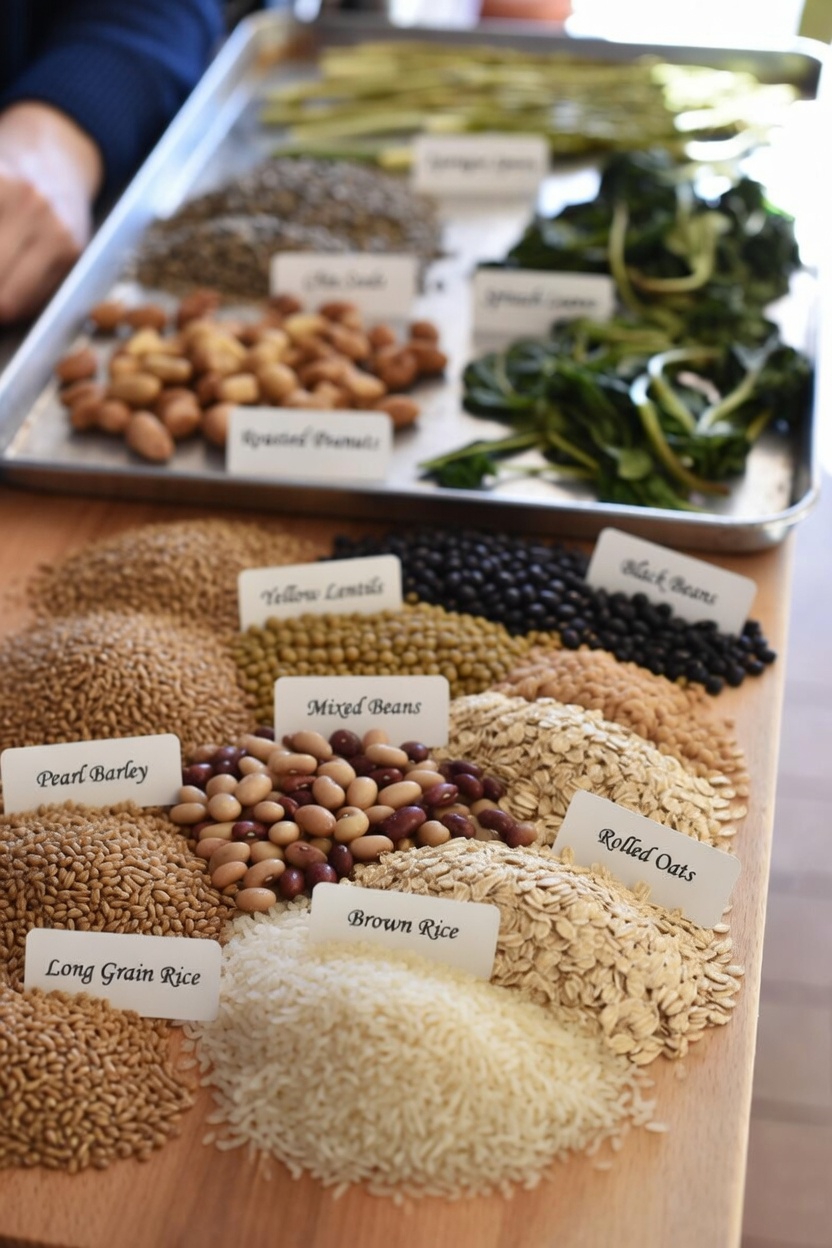
Top sources include:
- Whole grains such as brown rice and oats
- Legumes like lentils and black beans
- Nuts and seeds, especially sunflower seeds
- Pork
- Fish, including trout
- Vegetables such as asparagus and spinach
A practical goal is to include at least two vitamin B1-rich foods each day as part of balanced meals.
Vitamin B1 Sources: Animal vs. Plant-Based Options
Below is a simple comparison of common thiamine sources:
| Source Type | Examples | Thiamine Content (per 100g) | Benefits | Drawbacks |
|---|---|---|---|---|
| Animal-Based | Pork, trout | 0.5-1.0 mg | Well absorbed by the body | Not suitable for vegetarians |
| Plant-Based | Lentils, sunflower seeds | 0.2-0.6 mg | Also provide fiber and other nutrients | May have slightly lower absorption |
| Fortified Foods | Breakfast cereals, bread | 0.1-0.5 mg | Convenient and widely available | Often more processed |
This variety makes it possible to meet your needs regardless of dietary preference.
Simple Steps to Increase Vitamin B1 Intake
If you want to raise your thiamine intake in a realistic way, start with small changes you can maintain.
-
Review your current meals
- Keep track of what you eat for one week.
- Look for days with little or no thiamine-rich food.
-
Build meals around whole foods
- Try oatmeal with seeds at breakfast.
- Choose brown rice or legumes more often.
-
Add variety to your cooking
- Make lentil soup, bean-based dishes, or grilled fish.
- Rotate between plant and animal sources if appropriate.
-
Stay consistent for a few weeks
- Notice changes in comfort, energy, and general well-being.
-
Seek professional advice if needed
- A healthcare provider or registered dietitian can offer tailored guidance.
These steps are simple enough to fit into most routines without feeling overwhelming.
Habits That Work Well Alongside Vitamin B1
Thiamine may be helpful, but it works best as part of a broader approach. Daily habits can make a noticeable difference in how your legs and ankles feel.
Supportive lifestyle strategies include:
- Taking gentle walks to encourage circulation
- Elevating your legs for 15 to 20 minutes a day
- Drinking enough water, around 8 glasses daily unless advised otherwise
- Reducing heavily processed foods
- Limiting excess sodium
Even small changes can support better fluid movement and overall comfort.
Other Factors That Can Contribute to Swelling
Nutrition is only one piece of the picture. Swelling can also be influenced by several common habits and health-related issues.
Other possible contributors include:
- Sitting for too long without movement
- Standing for extended periods
- High-sodium eating patterns
- Certain medications
- Reduced circulation
Publications from Harvard Health note that medication use can also influence swelling in some individuals. Recognizing these factors can help you make more informed daily choices.
When You Should Talk to a Healthcare Professional
While nutrition and lifestyle adjustments can be useful for mild swelling, persistent symptoms should not be ignored.
You should consider medical advice if:
- Swelling continues despite making changes
- It becomes more severe over time
- It affects only one leg
- You experience pain, redness, or shortness of breath
The American Heart Association emphasizes the importance of early evaluation for unexplained leg swelling. A healthcare provider can rule out underlying conditions and guide the most appropriate next steps.
Real-Life Experiences and What They Suggest
Many people online report feeling more comfortable after improving their diet with more whole grains, legumes, or other thiamine-rich foods. Others say they noticed better results when combining those changes with walking and leg elevation.
These personal experiences are not scientific proof, but they do reflect a common theme: nutrition seems to work best when paired with healthy habits.
Some research indirectly supports these observations, especially when it comes to the role of thiamine in energy production, nerve function, and cardiovascular support.
Common Myths About Vitamins and Swelling
There is a lot of confusion around vitamins and fluid retention. Here are a few myths worth clearing up.
-
Myth: Any vitamin can directly eliminate swelling.
Fact: Vitamins support important body functions, but they are not instant cures. -
Myth: Supplements are always better than food.
Fact: Whole foods provide fiber, minerals, and other beneficial compounds in addition to vitamin B1. -
Myth: More is always better.
Fact: Balance matters. Excessive or unnecessary supplementation is not always helpful.
According to WebMD, nutrient intake should be balanced and based on individual needs rather than exaggerated claims.
How to Make Vitamin B1 Part of Your Routine Long-Term
Long-lasting results usually come from consistency, not quick fixes. If you want to maintain healthy thiamine intake over time, focus on building habits that are easy to repeat.
Helpful ideas include:
- Adding thiamine-rich foods to your weekly shopping list
- Prepping meals ahead of time
- Rotating grains, beans, nuts, seeds, and protein sources
- Keeping a simple journal to track how you feel
- Setting reminders to choose more whole, nutrient-dense foods
Over time, these habits can become automatic and may support not just leg comfort, but broader wellness as well.
Conclusion
Vitamin B1 may be an overlooked piece of the puzzle when it comes to supporting healthy fluid balance and reducing everyday discomfort in the legs and ankles. By eating more thiamine-rich foods and combining them with smart lifestyle habits, you can take practical steps toward feeling better naturally.
Small, steady changes are often the most sustainable—and sometimes the most effective.
FAQ
What foods contain the most vitamin B1?
Excellent sources of vitamin B1 include whole grains, legumes, nuts, seeds, pork, and certain fish. Eating a mix of these foods can help support adequate intake.
Can vitamin B1 interact with medications?
Vitamin B1 is generally considered safe, but if you take medications regularly, it is best to speak with a healthcare professional before making major dietary or supplement changes.
How soon might I notice a difference after increasing vitamin B1?
Results vary from person to person. Some individuals report feeling changes within a few weeks after consistently improving their diet, though this is not guaranteed.
Always consult a qualified healthcare professional before making significant changes to your diet or wellness routine. This information is for educational purposes only and should not be taken as medical advice.