White Spots on Your Skin: Why They Appear and What You Can Do Every Day
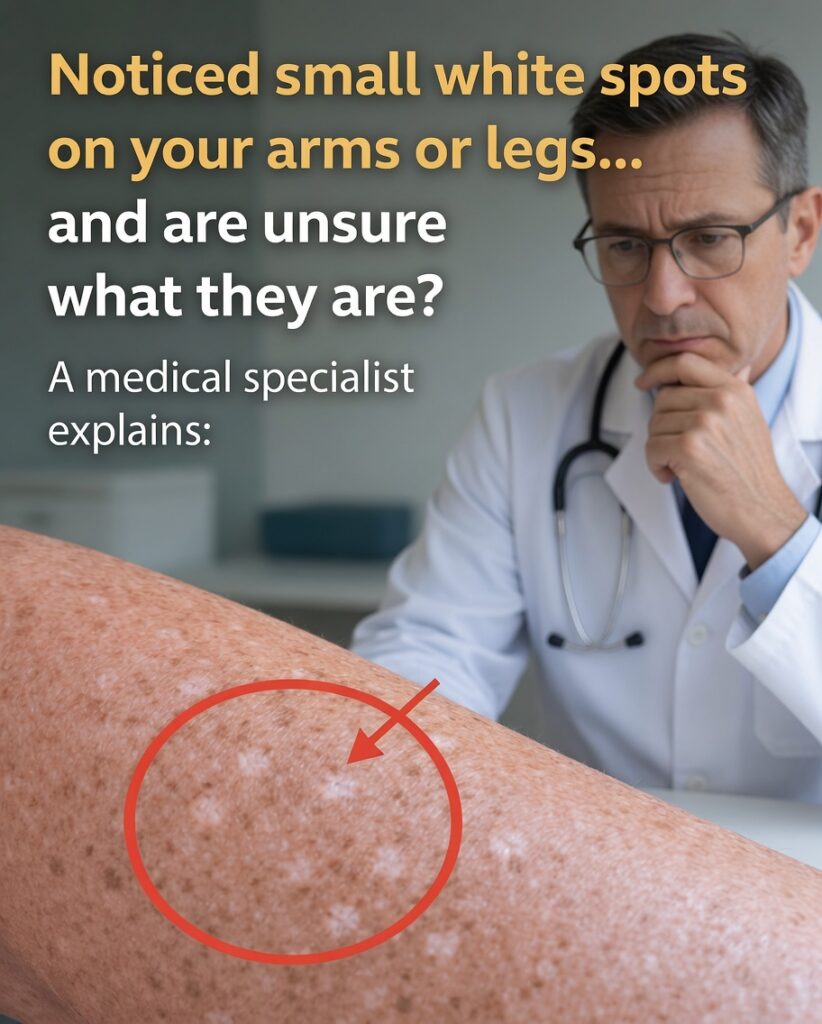
Noticing small white spots on your arms or legs that weren’t there before can be unsettling. These tiny, flat marks often reflect light differently and tend to stand out even more against tanned skin—especially after age 40. It’s easy for this subtle change to trigger quiet worries about aging, sun damage, or something more serious, and even make you second-guess wearing shorts or sleeveless clothes on warm days.
The good news: in most cases, these spots have a simple and very common explanation linked to long-term sun exposure. Read on to learn what they usually are, how to tell when they’re harmless, and the everyday habits that help protect your skin.
What Do These White Spots Look Like?
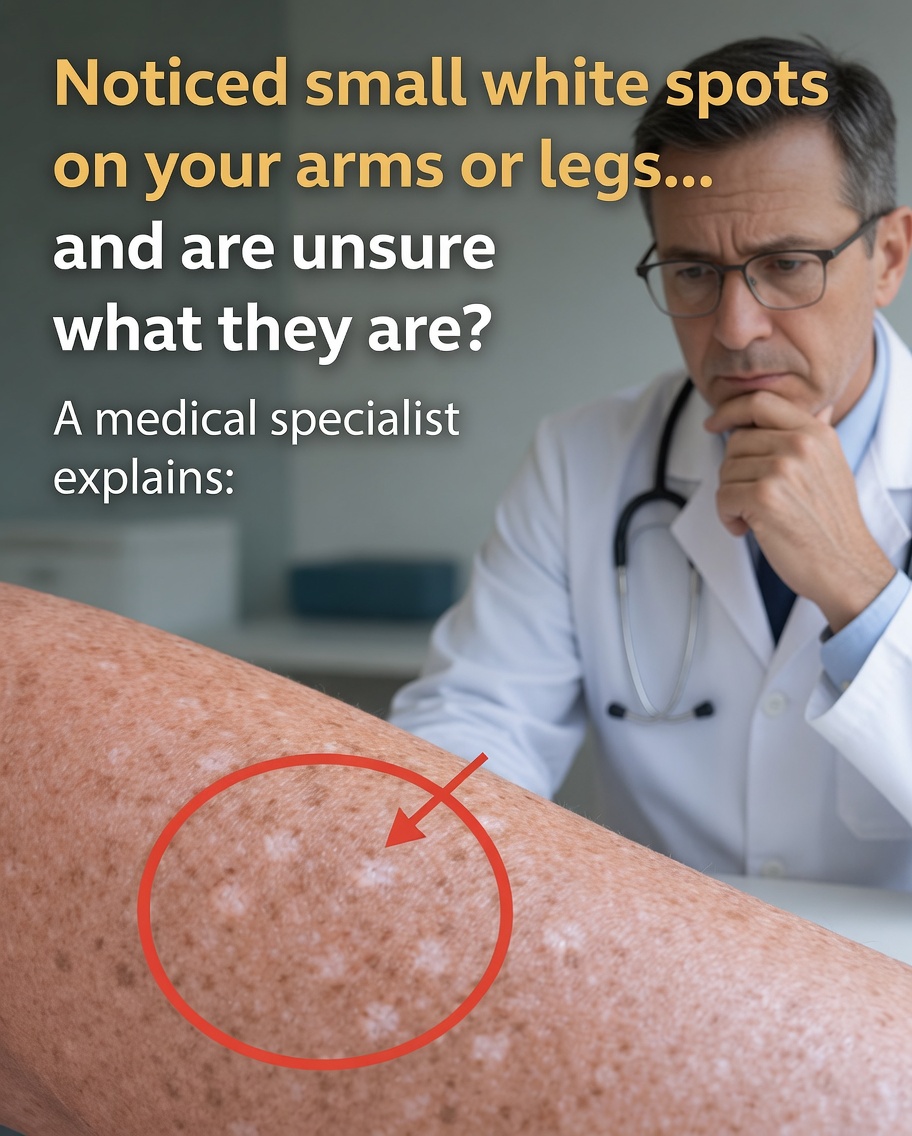
These marks typically appear as small, round or oval patches—usually about 2–5 mm wide. They’re often scattered across areas that get regular sun exposure, such as:
- Forearms
- Shins and legs
- Shoulders
- Upper back
They are usually:
- Smooth to the touch
- Not itchy
- Not painful
- Not scaly or flaky
One of the most noticeable features is that they don’t tan like the surrounding skin, which is why they become more visible in summer or after time outdoors.
These white sun spots are very common, especially in people over 40, though they can appear at other ages too.
The Most Common Cause: Idiopathic Guttate Hypomelanosis
The name sounds intimidating, but idiopathic guttate hypomelanosis (IGH) is the most frequent explanation for these tiny white patches—often referred to as “white sun spots.”
They occur when melanocytes (the cells that help produce skin pigment) become less active in small, localized areas. As a result, those areas look lighter than the surrounding skin.
The key point: IGH is usually linked to cumulative sun exposure over many years—not a serious illness.
Why Do They Often Show Up After 40?
As skin ages, natural changes become more visible—especially in sun-exposed zones. After 40 or 50, the effects of time and sunlight tend to add up.
Common contributing factors include:
- Long-term sun exposure throughout life
- Natural skin aging
- Genetic predisposition
- Fair skin (where contrast is easier to see)
Even everyday activities—walking outside, driving, or spending time at the beach—can contribute gradually over the years.
Are These White Spots Dangerous?
In most cases, no. IGH spots are typically:
- Benign
- Symptom-free
- Slow to change
- Not associated with serious health risks
They generally don’t itch, don’t spread quickly, and don’t “turn into” something dangerous. Still, it’s completely understandable to feel bothered by how they look—especially at the pool or beach.
What You Can Do Every Day (The Most Important Step)
The most effective strategy is prevention, and simple daily habits can make a real difference over time:
- Use a broad-spectrum sunscreen SPF 30 or higher every day
- Reapply every 2 hours when outdoors
- Choose lightweight clothing that covers and protects skin
- Avoid intense sun exposure between 10 a.m. and 4 p.m.
- Moisturize your skin daily
Consistency matters more than perfection. A steady routine helps reduce the chance of developing new spots and supports overall skin health.
Are There Treatments?
A dermatologist may offer cosmetic options aimed at improving appearance, such as:
- Targeted topical creams
- Laser treatments
- Cryotherapy
Results can vary, and the goal is usually to soften the contrast, not necessarily erase spots completely.
See a specialist if you notice rapid changes, itching, irritation, or if you’re unsure about the diagnosis.
Common Myths About White Sun Spots
- They are not usually skin cancer
- They typically do not spread rapidly
- They rarely disappear completely on their own
- Sun protection can help prevent new spots from forming
Conclusion
These small white patches are most often a natural skin response to time and accumulated sun exposure. With the right information—and a few practical daily habits—you can approach them with more confidence and less worry.
Understanding what’s happening turns anxiety into reassurance, and that can change how comfortable you feel in your own skin.
Frequently Asked Questions
Do these white spots go away on their own?
Usually they don’t disappear completely, but consistent sun protection may help prevent new ones from appearing.
Do only older people get them?
They’re more common after 40, but they can occur at any age.
Do I need to treat them immediately?
Most of the time, no. Monitor them, protect your skin, and consult a dermatologist if you have concerns.
This content is for informational purposes only and does not replace professional medical advice.