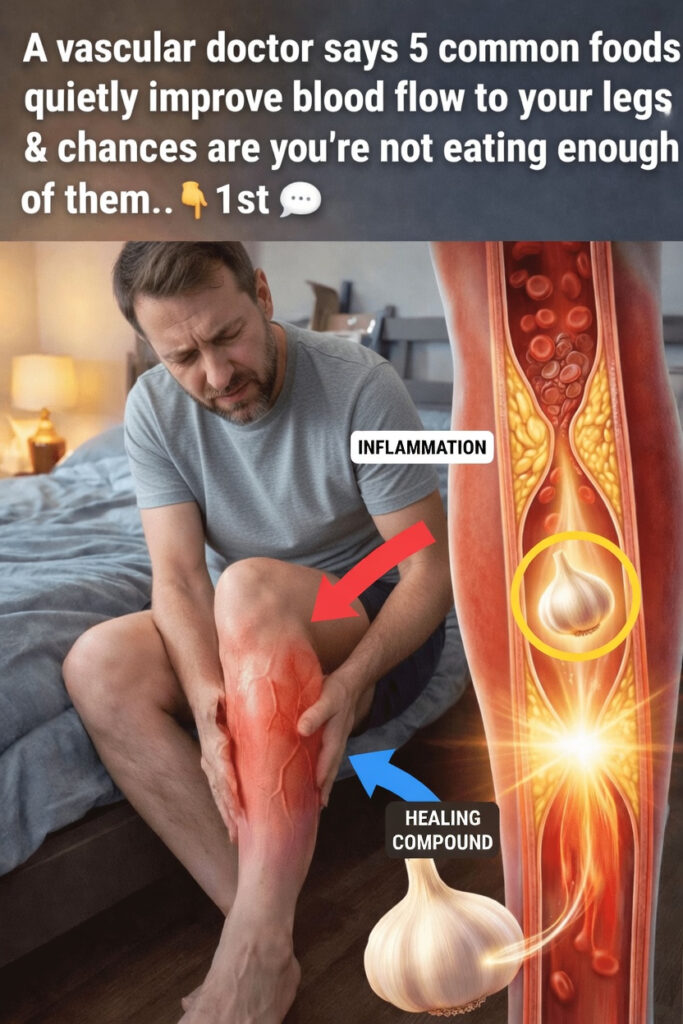
5 Foods That May Help Support Healthy Blood Flow to Your Legs
If your legs often feel heavy, sore, or worn out after a long day of standing or walking, you are not alone. That end-of-day discomfort can make ordinary routines feel harder and less enjoyable. While many people focus on shoes, posture, or activity levels, diet is another important factor that is often overlooked.
What you eat can influence how effectively blood circulates throughout the body. Studies suggest that several everyday foods contain natural compounds that may help support vascular function and healthy circulation.
Here is the surprising part: even people who believe they eat fairly well may still fall short on these five key foods in the amounts research suggests could be helpful. Below, you will learn what they are, why they matter, and how to start adding them to your meals with ease.
Why Leg Circulation Matters for Daily Comfort
Your legs depend on a complex system of blood vessels to deliver oxygen and nutrients while removing waste products. When circulation is challenged by factors like aging, long hours of sitting, prolonged standing, or poor dietary habits, symptoms such as heaviness, puffiness, and fatigue can become more noticeable.
Food choices can play a meaningful role in supporting blood vessel health. Some nutrients help maintain vessel flexibility and assist the body’s natural processes that keep blood flowing efficiently.
The best part is that many circulation-friendly foods are inexpensive, easy to find, and probably already familiar to you.
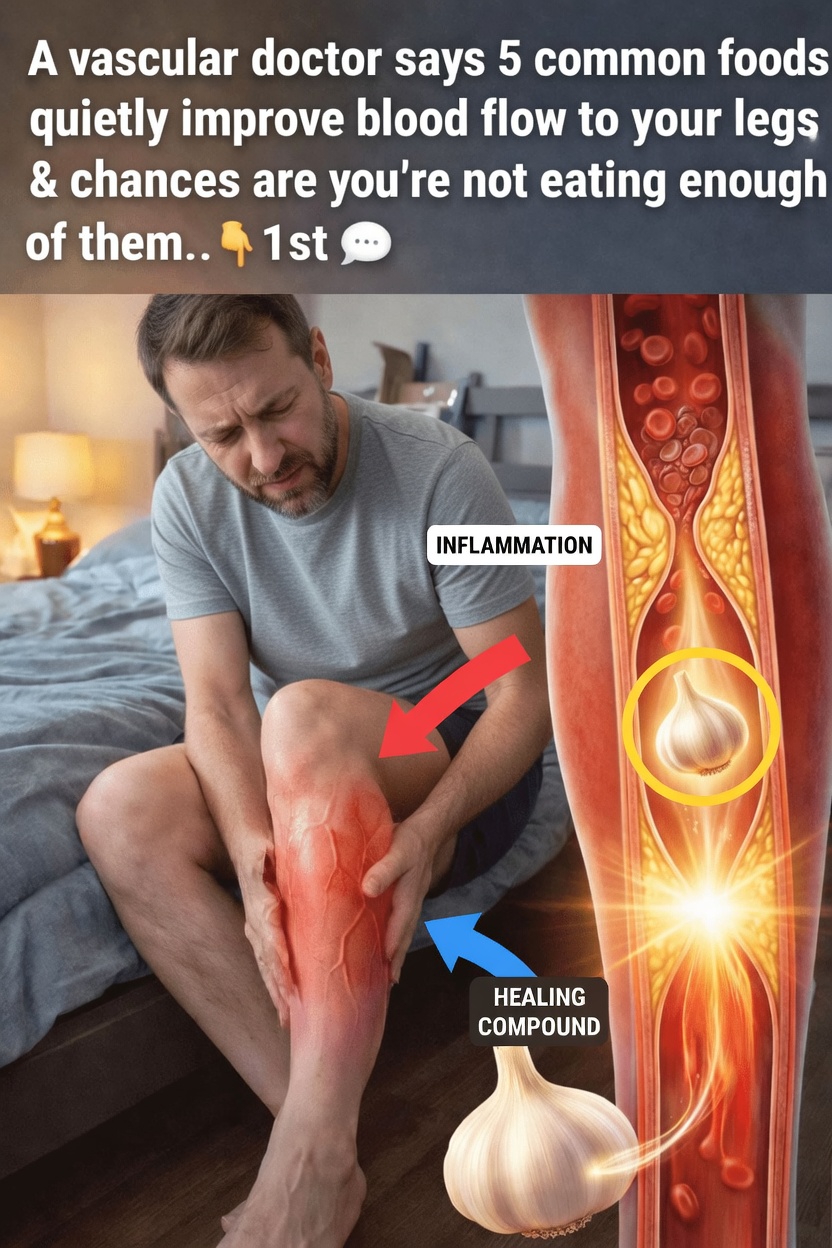
1. Garlic: A Simple Staple That Supports Vascular Function
Garlic ranks high on the list because it contains sulfur-based compounds, including allicin, that have been linked to blood vessel relaxation. Research has examined how regular garlic consumption may help support circulation and improve blood flow to tissues.
In one study, consistent use of garlic powder was associated with measurable improvements in blood flow markers. Fresh garlic is often considered the most potent option, but aged garlic and powdered forms have also shown promise in research.
Easy ways to eat more garlic
- Crush or chop fresh garlic and let it rest for about 10 minutes before cooking to help activate its beneficial compounds.
- Stir minced garlic into soups, sautés, roasted vegetables, and homemade dressings.
- Roast whole garlic bulbs and spread the softened cloves on whole-grain toast.
Many people get better results when garlic becomes part of their everyday routine instead of something used only once in a while.
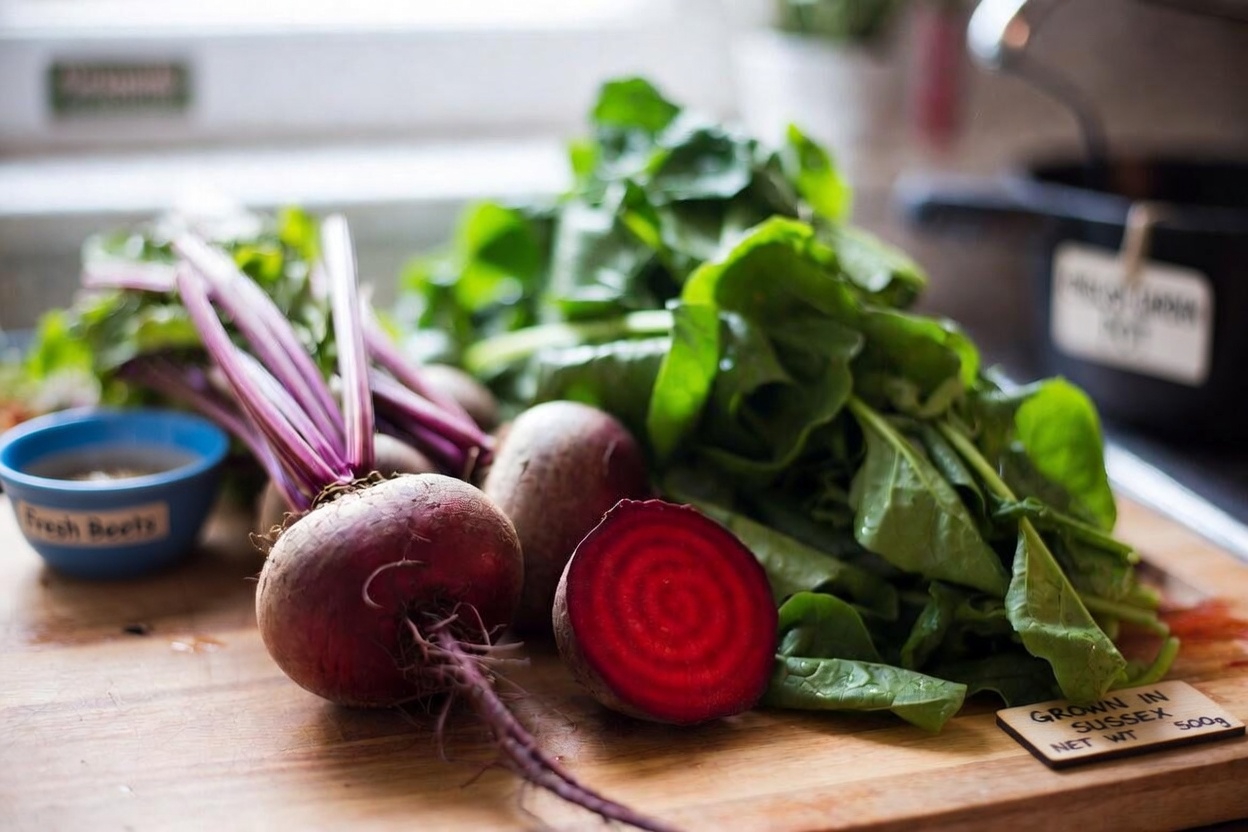
2. Beets: A Natural Source of Nitrates
Beets are especially notable because they are rich in dietary nitrates. Once consumed, the body can convert these nitrates into nitric oxide, a compound that helps blood vessels widen and supports smoother circulation.
Studies on both beetroot juice and whole beets have connected them with favorable effects on blood pressure and blood flow. That makes them a smart choice for people looking to support leg comfort during normal daily movement.
Simple ways to enjoy beets
- Roast beet slices or wedges with olive oil and herbs for a naturally sweet side dish.
- Blend cooked or raw beets into smoothies with apple, berries, or ginger.
- Shred fresh beets into salads or slaws for extra crunch and vibrant color.
Even moderate portions a few times per week can help increase nitrate intake.
3. Leafy Greens: Daily Support for Healthy Blood Vessels
Dark leafy greens such as spinach, kale, arugula, and Swiss chard are another valuable source of nitrates. They also provide antioxidants, vitamins, and minerals that support overall vascular health.
Research suggests that diets rich in leafy greens may help maintain blood vessel flexibility and support healthy blood pressure. Their mix of nutrients works together to promote better circulation and everyday comfort.
Easy ways to add more greens
- Toss a handful of spinach into smoothies or scrambled eggs in the morning.
- Build lunch around a salad made with mixed greens, protein, and healthy fats.
- Sauté kale or chard with garlic as a quick dinner side.
Trying to include one or two servings each day is a practical goal.
4. Fatty Fish: Omega-3s for Better Vessel Health
Salmon, sardines, mackerel, and trout are excellent sources of omega-3 fatty acids. Research links these healthy fats with lower inflammation and improved blood vessel function. They may also help arteries stay more flexible, which supports steady circulation.
Studies of people who regularly eat fatty fish often show cardiovascular benefits, including improvements related to blood flow.
Practical ways to eat more fatty fish
- Grill or bake salmon with lemon and garlic twice a week.
- Add canned sardines or mackerel to salads or whole-grain toast.
- Use smoked trout in omelets, wraps, or grain bowls.
If fish is not your favorite, plant foods like flaxseeds and walnuts provide some omega-3s. However, fish contains the direct EPA and DHA forms most commonly studied.
5. Citrus Fruits and Berries: Antioxidants for Blood Vessel Protection
Oranges, grapefruit, strawberries, blueberries, raspberries, and similar fruits provide flavonoids and vitamin C. Research has associated these compounds with helping protect the lining of blood vessels and supporting nitric oxide activity.
Berries, in particular, have drawn attention for their potential role in maintaining healthy blood pressure and blood vessel flexibility.
Quick ways to enjoy more citrus and berries
- Snack on a handful of mixed berries.
- Add orange or grapefruit pieces to salads.
- Mix berries into yogurt, oatmeal, or overnight oats.
Fresh fruit is ideal, but frozen fruit can work just as well. Moderate amounts of 100% juice may also contribute, though whole fruit offers more fiber.
Why These Foods Work Better Together
No single ingredient is a magic fix. The real benefit comes from combining these foods regularly. Garlic and beets help support nitric oxide pathways. Leafy greens and citrus fruits provide antioxidants that help protect blood vessels. Fatty fish contributes omega-3s that may help manage inflammation linked to circulation issues.
When eaten as part of a balanced diet, these foods can work together to support healthier blood flow and improve how your legs feel day to day.
A simple sample day
- Breakfast: A smoothie made with spinach, berries, and a small amount of beet
- Lunch: A salad with leafy greens, grilled salmon, and a citrus-based dressing
- Dinner: Roasted vegetables or a stir-fry with plenty of garlic
- Snack: An orange or a bowl of berries
Small changes done consistently often matter more than dramatic short-term efforts.
Lifestyle Habits That Can Further Support Circulation
Nutrition matters, but it works even better when paired with healthy daily habits. If you want to improve leg comfort, these simple practices can help:
- Walk for 20 to 30 minutes on most days to encourage blood flow in the legs
- Drink enough water throughout the day
- Raise your legs when resting if they tend to feel heavy
- Avoid staying seated or standing in one position for too long
Together with a circulation-friendly diet, these habits may help reduce that tired, sluggish feeling in your legs.
Frequently Asked Questions
How long does it take to notice a difference?
It varies from person to person. Some people say their legs feel lighter or more comfortable after a few weeks of making steady dietary changes. Your results will depend on your overall eating pattern, activity level, and general health.
Can supplements do the same job?
Whole foods usually provide a broader range of nutrients, antioxidants, and fiber than supplements. Most studies focus on benefits from food itself. If you are considering supplements, it is best to speak with a healthcare professional first.
Are these foods suitable for everyone?
For most people, these are healthy and nutritious options. However, if you have food allergies, medical conditions, or take medications such as blood thinners, check with your doctor before making major changes to your diet.
What if I do not like garlic or beets?
Start with small amounts and pair them with flavors you already enjoy. Roasting beets makes them sweeter, and cooked garlic has a milder taste than raw garlic.
Final Thoughts
Supporting blood flow to your legs does not have to involve complicated routines. In many cases, it starts with what is on your plate. Garlic, beets, leafy greens, fatty fish, and citrus fruits or berries all appear frequently in research related to circulation and vascular support.
Adding these foods to your regular meals does not require a complete lifestyle overhaul. A few thoughtful choices, repeated consistently, can make a real difference over time. Many people feel more comfortable, energized, and supported when they pay closer attention to these foods.
Start with one or two of them this week, then build from there. Your legs may feel the benefits sooner than you expect.