Feeling tired every day? Your liver may be asking for help — and simple foods can support natural recovery
Many people brush off constant fatigue, stubborn belly fat, or a mild ache under the right-side ribs. It’s easy to blame stress, aging, or poor sleep. But sometimes these “small” issues are your body’s way of signaling something deeper.
Fatty liver is a quiet, increasingly common condition affecting millions worldwide. It happens when excess fat builds up inside liver cells—often linked to today’s lifestyle. What makes it concerning is how often it develops with few obvious symptoms, while the liver keeps working under extra strain.
The encouraging part: small daily changes—especially smarter food choices—can reduce that overload and support liver function. Keep reading, because one simple shift in your routine may lead to surprisingly noticeable improvements.
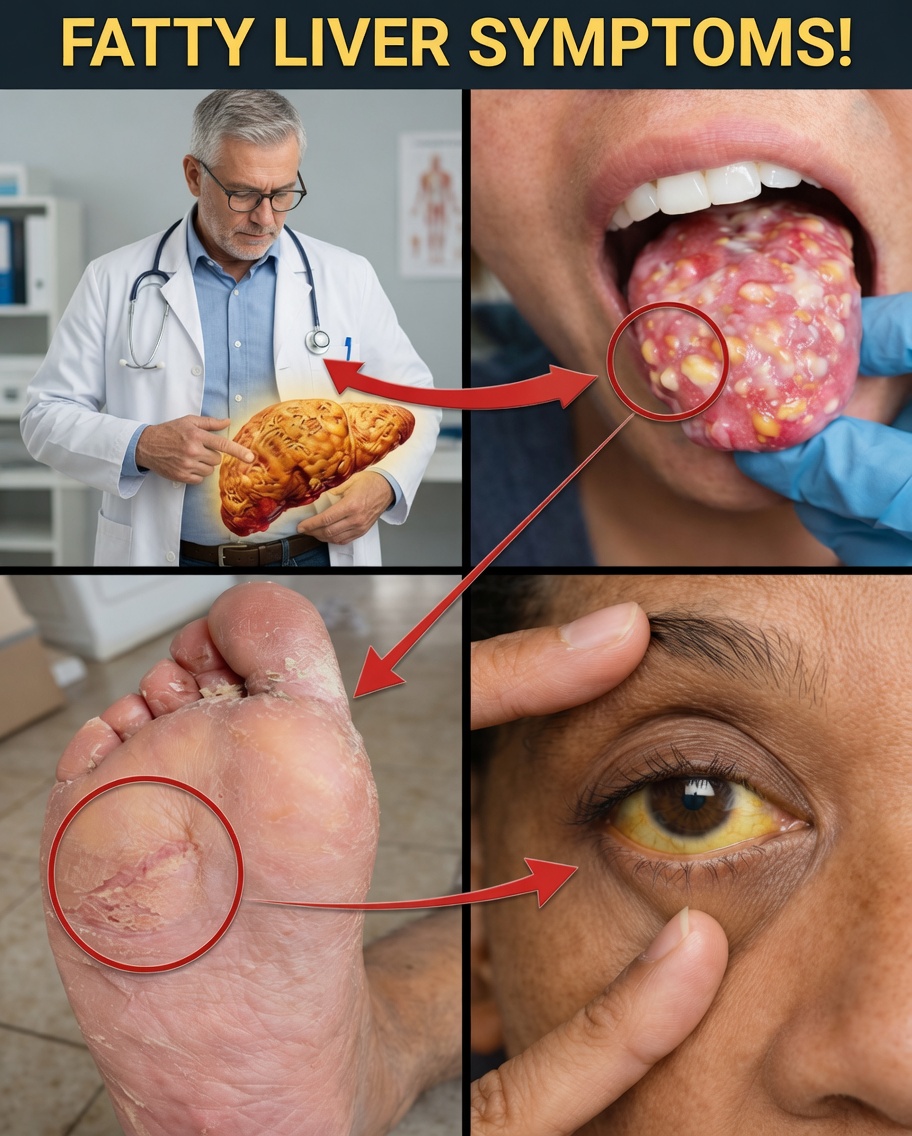
What is fatty liver (MASLD), and why should you care?
Fatty liver—now commonly referred to as Metabolic Dysfunction–Associated Steatotic Liver Disease (MASLD)—occurs when fat accumulates in the liver beyond healthy levels. It’s becoming more widespread, particularly among people with:
- Overweight or obesity
- Insulin resistance
- Metabolic health challenges (such as high blood sugar or abnormal cholesterol)
In early stages, lifestyle improvements can make a major difference. The problem is that MASLD can remain “silent” for years, which is why noticing subtle warning signs matters.
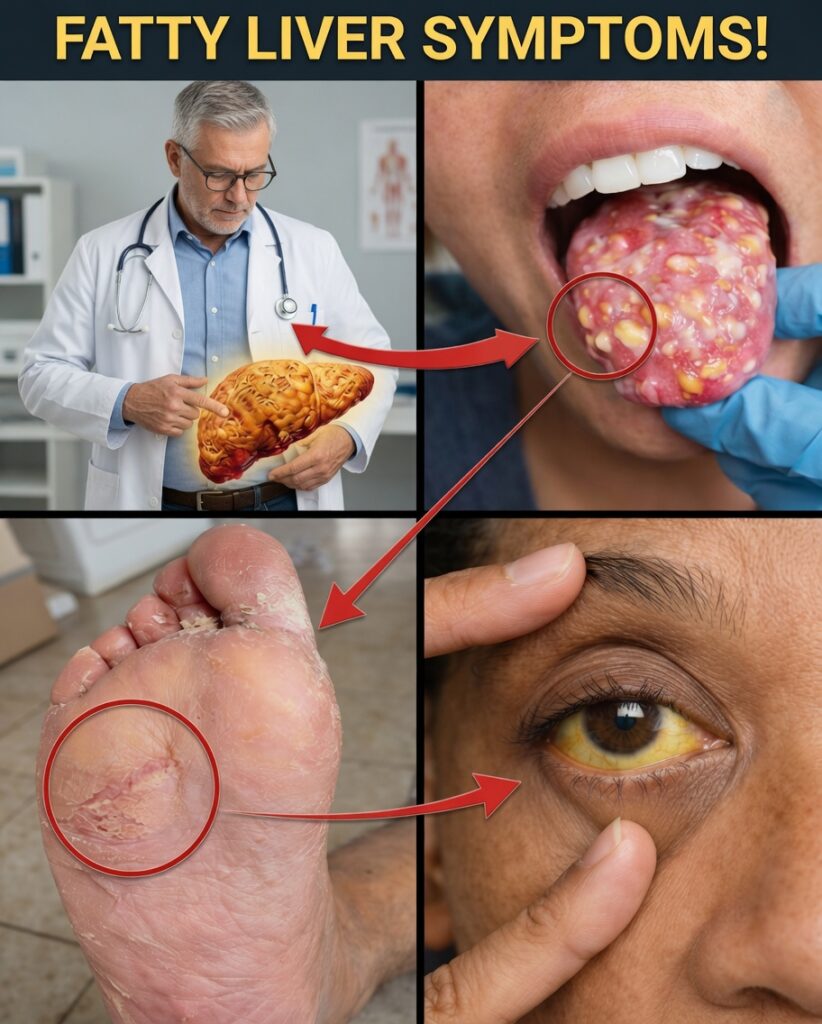
14 warning signs you shouldn’t ignore
These symptoms can have many causes, but when several appear together, it’s worth taking them seriously.
Common signs people often dismiss
- Persistent tiredness, even after rest
- Belly fat that’s unusually hard to lose
- Mild discomfort or pressure in the upper right abdomen
- Trouble focusing or “brain fog”
- Unexplained itchy skin
- Feeling bloated after small meals
- Mild nausea after heavier or fatty foods
Less common but important signals
- Bruising more easily than usual
- Dark urine even when you’re well hydrated
- Pale or lighter-colored stools
- Feeling full very quickly
Signs that need prompt medical attention
- Ongoing abdominal swelling
- Yellowing of the skin or eyes (jaundice)
- Confusion, unusual drowsiness, or mental changes
Many people won’t notice clear symptoms at all. Simple lab tests and imaging can help confirm what’s going on, so don’t rely on symptoms alone.
Everyday foods that can support liver health
No single food “cures” fatty liver by itself. However, research suggests that certain dietary patterns and ingredients can help reduce liver fat and support healthier liver enzymes.
Consider adding these to your routine:
- Extra virgin olive oil: rich in healthy fats that support lipid metabolism
- Coffee (unsweetened): linked to improved liver enzyme levels in many studies
- Green tea: provides antioxidants that support metabolic function
- Cruciferous vegetables (broccoli, cauliflower, kale): support the body’s natural detox pathways
- Garlic and onions: contain sulfur compounds associated with liver-supportive effects
- Fatty fish (salmon, sardines): high in anti-inflammatory omega-3s
- Whole grains (oats, quinoa): support blood sugar regulation and metabolic health
- Berries and citrus fruits: packed with antioxidants that protect cells
Simple tip: each day, replace just one ultra-processed item with a whole-food option.
Easy steps you can start today
- Aim for gradual weight loss (even 5–10% can make a meaningful difference)
- Build balanced meals: half vegetables, plus lean protein and whole grains
- Walk 20–30 minutes daily
- Drink water consistently and prioritize quality sleep
- Reduce added sugar and ultra-processed foods
After a few weeks, pay attention to changes like better energy, lighter digestion, and less bloating—these can be positive signs you’re moving in the right direction.
Conclusion
Fatty liver often whispers before it screams. These signs aren’t meant to trigger panic—rather, they’re a reminder to take better care of your body.
Small choices repeated daily can lead to big health gains. Start with one manageable change today—your liver (and your energy) may thank you.
Frequently asked questions
What are the earliest signs of fatty liver?
Common early clues include ongoing fatigue, mild discomfort on the right side of the upper abdomen, and stubborn abdominal fat.
Do foods really help?
Yes. Evidence suggests that whole foods like olive oil, coffee, and vegetables can support liver health and improve metabolic markers.
How long does it take to see results?
Some people notice improvements within a few weeks, but long-term progress depends on consistency.
Disclaimer: This content is for informational purposes only and does not replace medical advice. Consult a healthcare professional before making significant changes—especially if you have symptoms or existing conditions.