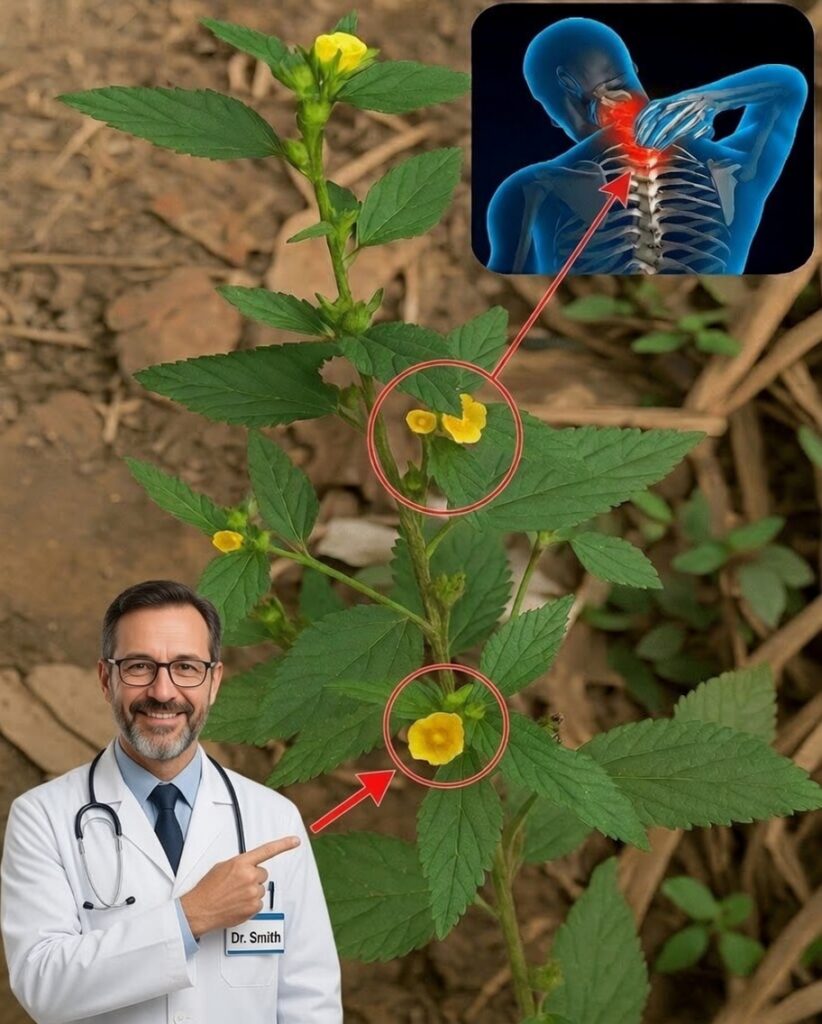
The “Weed” in Your Backyard That May Help with Fevers, Infections, and Inflammation: The Hidden Power of Sida acuta
Have you noticed how some of the most interesting wellness plants grow quietly all around us—along fences, on roadside edges, or even pushing through cracks in concrete? Most people walk past them daily without realizing they may have traditional value. One plant that often gets dismissed as a nuisance is Sida acuta, commonly treated as nothing more than a backyard weed.
But what if this modest-looking plant is actually a traditional herbal treasure?
For centuries, folk healers across Asia, Africa, and Latin America have valued Sida acuta for supporting everyday health—helping the body recover, assisting digestion, soothing the skin, and reinforcing overall resilience. Now that interest in natural wellness is growing worldwide, plants like Sida acuta (wireweed) are being rediscovered by people looking for simple, nature-based approaches to well-being.
What Is Sida acuta?
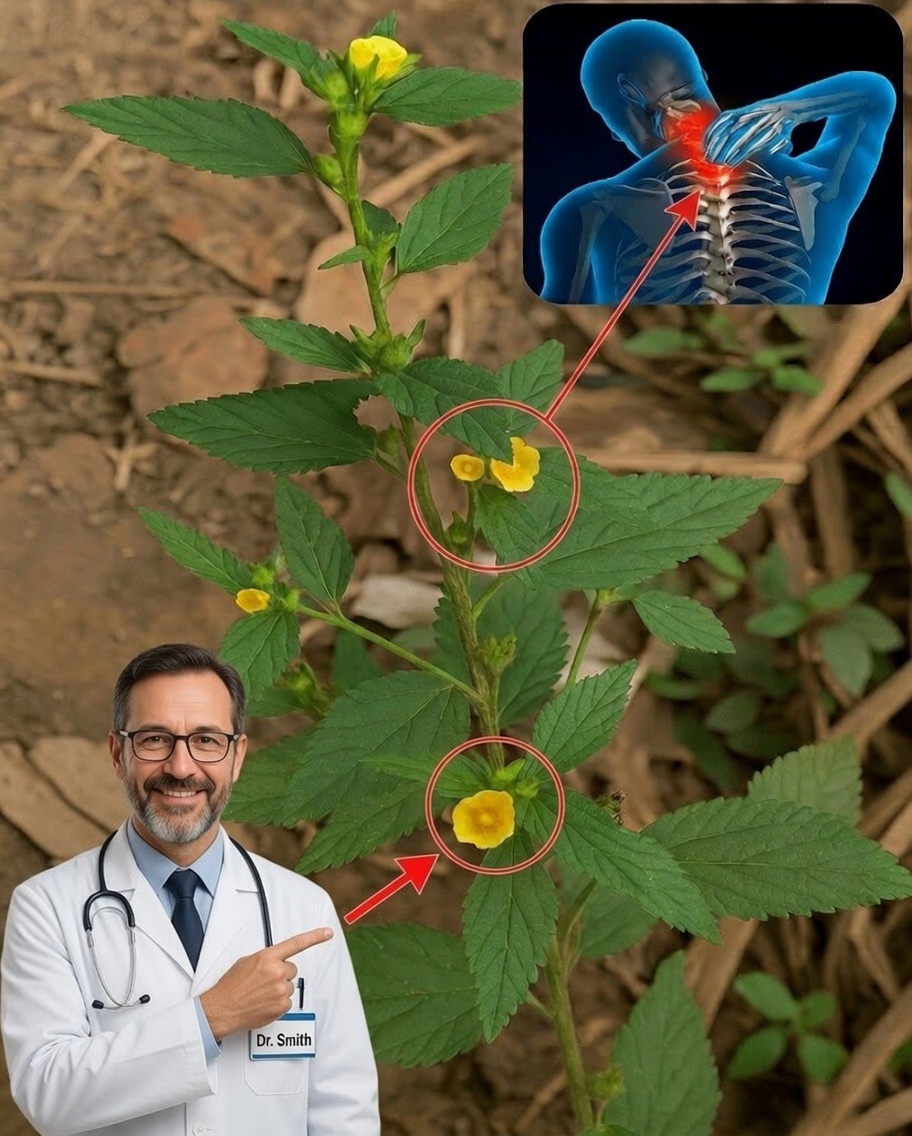
Sida acuta (often called wireweed) is a perennial shrub in the Malvaceae family. It can reach around 1.5 meters (about 5 feet) in height and is typically identified by:
- Thin, wiry stems
- Small yellow flowers
- Narrow, pointed leaves
What truly sets it apart isn’t its appearance—it’s its toughness. Sida acuta thrives where many plants struggle: poor soil, intense heat, and harsh growing conditions. That durability is one reason so many communities have paid attention to it over time, developing local ways to use it in traditional practices.
Traditional Uses Across Different Cultures
Ayurvedic Tradition
In Ayurveda, several plants in the Sida genus are known as “Bala,” a term linked to strength and vitality. Traditionally, these plants are viewed as supportive tonics—used to promote resilience, help the body during fatigue, and calm the nervous system during periods of stress.
African Herbal Knowledge
In many African regions, Sida acuta is commonly prepared as an herbal tea. This traditional drink is used to support the body during fevers, help maintain immune strength, and encourage recovery from minor illnesses.
The leaves are also used externally as a poultice, applied to the skin to support the healing of small cuts or minor wounds.
Latin American Folk Practices
In parts of Central and South America, people have long boiled the leaves into decoctions used for digestive discomfort or for skin care. In many rural communities, the plant is considered a practical, multipurpose home remedy.
Interestingly, even without historical communication between these regions, many cultures arrived at similar uses, suggesting a shared recognition of the plant’s traditional value.
What Modern Research Has Identified So Far
Scientists have begun examining Sida acuta to better understand its natural chemistry. Early investigations report several categories of compounds, including:
- Alkaloids – plant compounds often explored for biological activity
- Flavonoids – known for antioxidant potential
- Tannins and plant sterols – frequently associated with anti-inflammatory activity
- Phenolic compounds – linked to cellular protection mechanisms
Preliminary studies have explored possible antioxidant and antimicrobial activity, which may help explain why traditional systems used the plant for concerns like fever support, mild infections, and skin care.
That said, more human clinical research is still needed before any benefits can be considered fully confirmed.
Common Traditional Preparation Methods
Sida acuta Tea
Ingredients
- A small handful of fresh or dried leaves
- 1 cup of hot water
Directions
- Bring the water to a boil.
- Add the leaves.
- Steep for 10–15 minutes.
- Strain and drink warm.
Traditionally, this tea is taken to support digestion and encourage a calmer, more relaxed feeling.
Poultice for Skin Support
Ingredients
- Fresh leaves
Directions
- Crush the leaves into a soft paste.
- Apply gently to the desired area.
This method is traditionally used for minor irritation or superficial cuts.
Herbal Powder
In some areas, the dried plant is ground into a powder and added to traditional herbal blends.
Important Safety Considerations
Even natural remedies require responsible use. Keep these precautions in mind:
- Pregnant or breastfeeding individuals should avoid using Sida acuta unless guided by a qualified professional.
- Anyone with chronic conditions or taking medications should consult a healthcare provider before use.
- Stick to moderate amounts, and discontinue if any unwanted reaction occurs.
What This Plant Reminds Us
Beyond its traditional uses, Sida acuta also carries a broader lesson:
- Resilience: it grows where other plants fail.
- Simplicity: useful natural resources may be closer than we think.
- Ancestral knowledge: multiple cultures recognized its value over generations.
Conclusion
At first glance, Sida acuta looks like an ordinary weed—but its global history tells a much richer story. For generations, communities have relied on this hardy plant as a natural ally for everyday wellness, especially for issues related to fevers, mild infections, inflammation, digestion, and skin support.
While modern science is still uncovering its full potential, traditional knowledge suggests an enduring truth: some of nature’s most valuable gifts grow quietly right under our feet. That “weed” in the yard may be a small, overlooked natural pharmacy waiting to be rediscovered.
Warning: This article is for informational purposes only and does not replace professional medical advice. Always consult a qualified healthcare professional before using any medicinal plant.