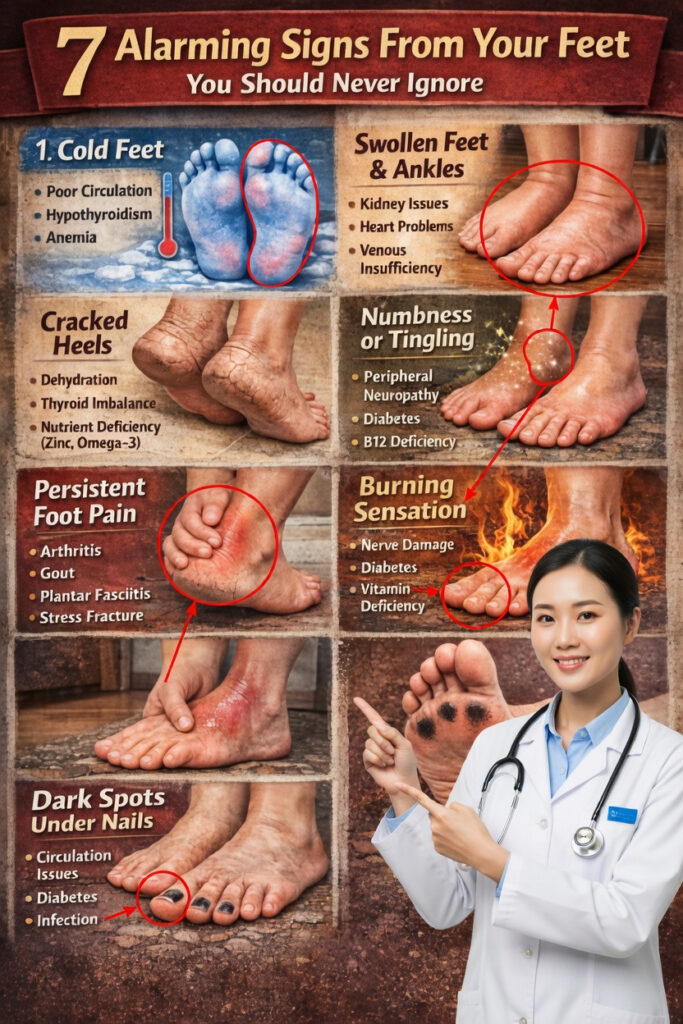
7 Foot Changes That May Reveal More About Your Health
Many people rarely think about their feet unless something starts to feel uncomfortable or look unusual. But your feet do a lot more than simply help you move around. Because they support your body all day, they can also reflect early signs of changes happening elsewhere in your health.
From feet that constantly feel cold to swelling, dry skin, nail discoloration, or unusual sensations, these small physical changes may signal patterns that deserve attention. In this guide, you will learn about seven common foot symptoms, what they may suggest, and practical things you can do at home. You will also see when it may be a good idea to speak with a healthcare professional.
Why Cold Feet Are So Common
Cold feet can be annoying, especially when the rest of your body feels perfectly comfortable. Walking barefoot on a chilly surface is one thing, but feet that remain cold indoors may be linked to circulation or thyroid function. Research has shown that reduced blood flow and lower thyroid hormone levels can influence how the body regulates temperature, especially in the hands and feet.
Anemia may also contribute. When the body does not have enough healthy red blood cells to deliver oxygen efficiently, your feet may feel colder than usual. If cold feet happen along with fatigue or pale skin, it is worth paying closer attention.
Easy Ways to Help Warm Cold Feet
- Wear thick socks that pull moisture away from the skin.
- Choose comfortable shoes that do not squeeze your feet.
- Move your ankles and feet often during the day.
- Take short walks or do gentle foot circles.
- Use a blanket or foot warmer at night if needed.
These simple habits may improve comfort while you keep an eye on whether the symptom continues.
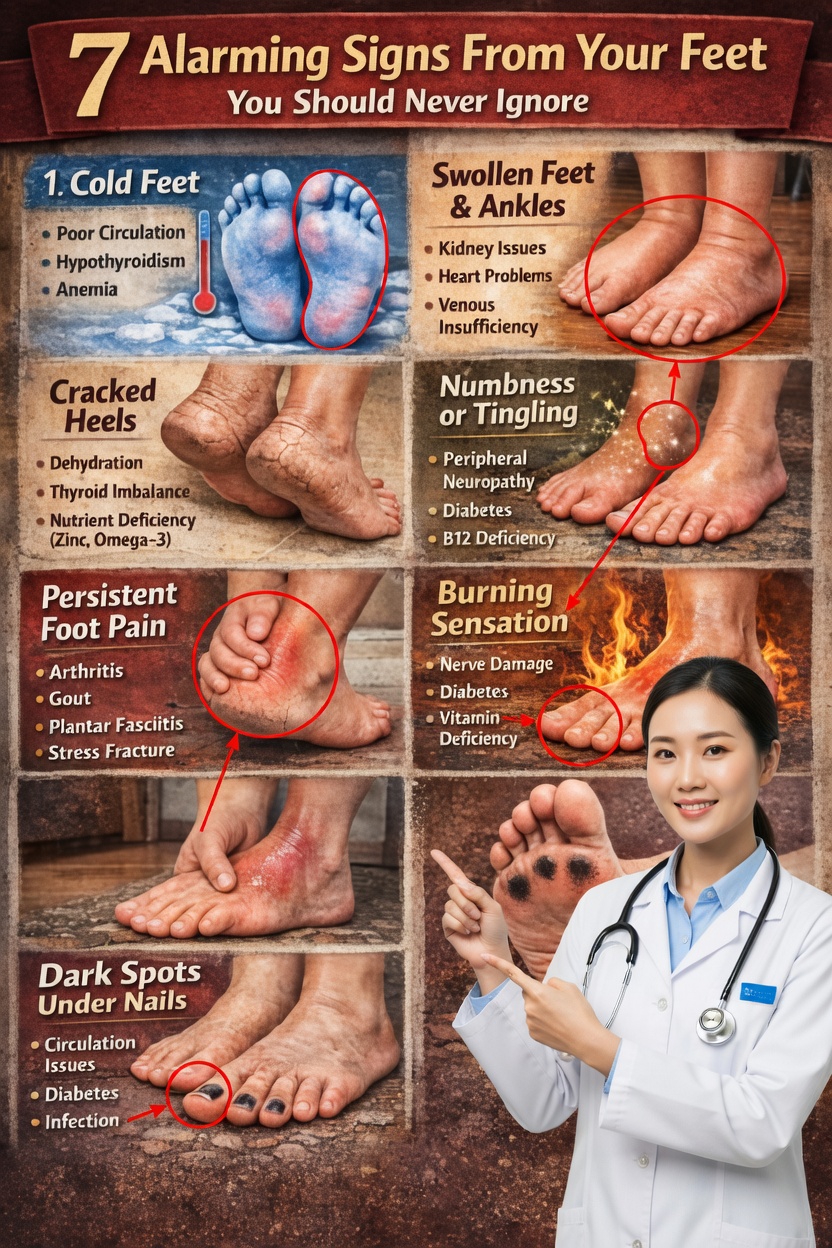
Swollen Feet and Ankles: Not Always Just Fatigue
Foot and ankle swelling often shows up after a long day of standing or sitting. However, if it happens often, lasts a long time, or appears without a clear reason, it may be related to fluid balance in the body. According to trusted medical sources like WebMD and Mayo Clinic, persistent swelling can sometimes be connected to the heart, kidneys, veins, or how the body moves blood and fluid.
Swelling that comes on suddenly or affects only one side should be taken more seriously, especially if it occurs with pain or shortness of breath.
Daily Tips to Ease Mild Swelling
- Raise your feet above heart level for 15 to 20 minutes several times a day.
- Cut back on salty foods.
- Drink enough water throughout the day.
- Wear supportive footwear.
- Avoid keeping your legs crossed for too long.
These habits can help improve circulation and reduce discomfort.
Cracked Heels and Dry Skin
Dry, cracked heels are very common. At first, they may seem like a minor cosmetic issue, but deeper cracks can eventually become painful. Low skin moisture, dehydration, and certain nutrient gaps, including zinc or omega-3 fats, may play a role. An underactive thyroid can also lead to drier skin, making heels more likely to split or peel.
A Simple Routine for Softer Heels
- Soak your feet in lukewarm water for about 10 minutes.
- Pat them dry gently instead of rubbing.
- Apply a thick, fragrance-free moisturizer while the skin is still slightly damp.
- Wear cotton socks overnight to help seal in moisture.
Regular care can strengthen the skin barrier and stop cracks from getting worse.
Numbness or Tingling in the Feet
A tingling or numb sensation can make everyday movement uncomfortable. Sometimes it happens after sitting too long in one position, but ongoing numbness may point to nerve-related issues. Diabetes is one of the most common causes, since long-term high blood sugar can damage nerves over time. Low vitamin B12, which is important for healthy nerve function, may also contribute.
What You Can Do Now
- Check your feet every day for cuts, blisters, or sores you may not feel.
- If you have diabetes, work on keeping blood sugar levels stable.
- Include vitamin B12 sources such as eggs, dairy products, and fortified cereals.
- Ask your doctor whether B12 testing may be useful.
Spotting these symptoms early can help protect long-term foot health.
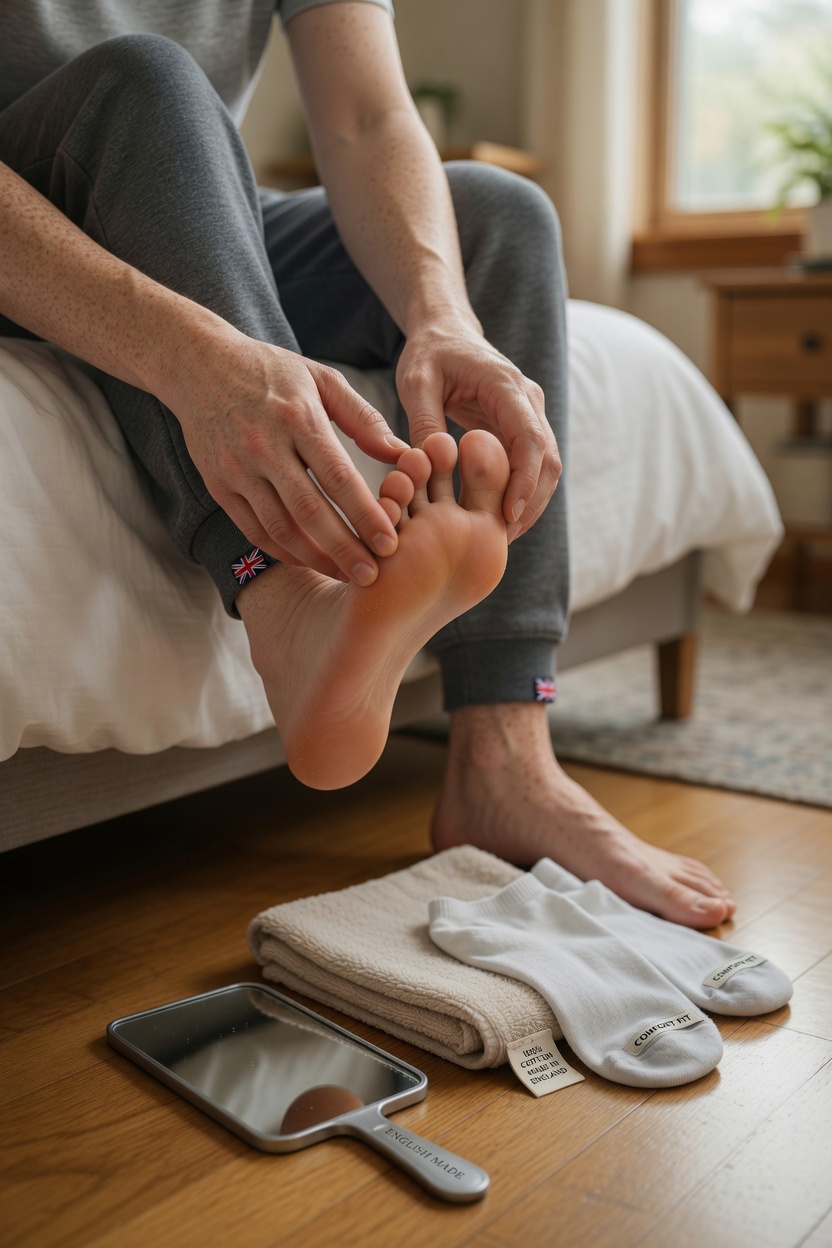
Ongoing Foot Pain That Affects Daily Life
Foot pain that does not go away can make standing, walking, and exercise more difficult. One common cause is plantar fasciitis, which involves inflammation in the tissue along the bottom of the foot. Joint stiffness, repeated stress on bones, and age-related wear and tear may also be factors. In some cases, arthritis can contribute to long-lasting discomfort.
Helpful Habits for Foot Pain Relief
- Stretch your feet and calves every morning before standing up.
- Wear shoes with strong arch support and good cushioning.
- Change activities regularly so the same area is not overworked.
- Rest when needed and avoid repeated strain.
With proper support and rest, many people notice gradual improvement.
Burning Feet: A Symptom Worth Noticing
A burning feeling in the feet may feel like mild warmth or a stronger stinging sensation. This symptom is often associated with nerve-related changes, including peripheral neuropathy. Diabetes is a well-known cause, but vitamin deficiencies and other health concerns may also be involved. Medical references such as Mayo Clinic note that burning feet are commonly linked to nerve problems.
Comfort Measures for Burning Feet
- Keep your feet cool and dry during the day.
- Avoid tight shoes or socks that trap heat.
- Gently massage your feet with lotion.
- Focus on improving circulation and reducing irritation.
These steps may provide temporary relief, but it is important to understand the underlying cause if the symptom persists.
Dark Spots or Lines Under Toenails
Discoloration under the toenails, including dark spots or vertical streaks, can sometimes appear after a minor bump or pressure from tight shoes. If the change stays for a long time and you do not remember any injury, it may be linked to circulation problems, fungal infection, or other nail conditions. People with diabetes should pay especially close attention to changes in the nails and skin because healing and circulation may be affected.
Basic Toenail Care
- Trim nails straight across.
- Smooth rough edges with a nail file.
- Keep your feet clean and dry.
- Wear breathable shoes and socks.
Checking your nails regularly can help you notice concerning changes earlier.
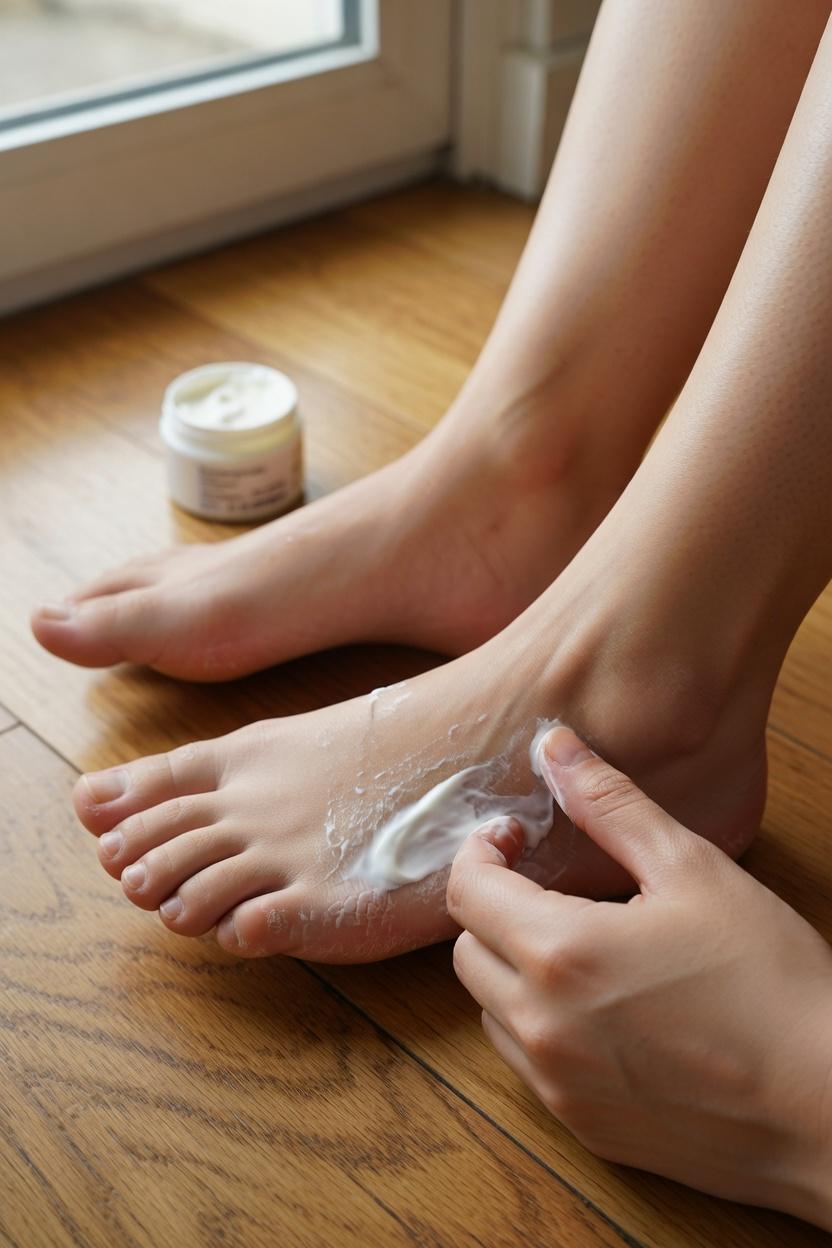
The Daily Habit Many People Forget
One of the most overlooked ways to support foot health is simply checking your feet every day. Spend about 30 seconds each evening looking at the soles, between the toes, and at the nails. This quick habit can help you catch changes before they become more serious.
Pair that routine with regular movement, balanced meals, and good hydration. Many health professionals agree that small daily actions can make a real difference in how your feet feel and function over time.
Final Thoughts
Your feet can offer valuable clues about your overall health. Changes such as coldness, swelling, cracked heels, numbness, persistent pain, burning sensations, or nail discoloration may be worth noticing. In many cases, small lifestyle adjustments can improve comfort. But if symptoms continue, worsen, or seem unusual, it is best to consult a healthcare professional for proper advice and evaluation.
FAQ
1. Are cold feet always a sign of something serious?
No. Cold feet can happen because of cold temperatures, poor footwear, or sitting still for too long. But if your feet feel cold most of the time or you notice other symptoms, it is a good idea to mention it during a medical check-up.
2. When should I talk to a doctor about swollen feet?
You should seek medical attention if swelling starts suddenly, affects only one leg, or appears with pain, redness, or shortness of breath. Ongoing swelling without an obvious cause should also be evaluated.
3. Can cracked heels be fully prevented?
Many people can greatly reduce cracked heels by moisturizing regularly, staying hydrated, and wearing proper shoes. If home care does not help and the cracks remain severe or painful, a doctor or podiatrist can recommend further treatment.