Swollen Ankles and Mild Dizziness? It Could Be Amlodipine — Learn How to Support Your Body
Taking your morning dose of amlodipine is supposed to be a simple part of managing high blood pressure. Yet for many people, a few hours later come surprises: a sudden warmth in the face, heavier-feeling legs, or ankle swelling by the end of the day. These changes can spark quiet worry—is this normal, or a sign something is wrong?
The reassuring news is that these reactions are often more common than most people realize. They’re closely related to how amlodipine works in the body. Keep reading to understand why this happens and what small daily habits can help you feel more comfortable.
Why Do Amlodipine Side Effects Happen?
Amlodipine is a calcium channel blocker. It lowers blood pressure by relaxing and widening blood vessels, allowing blood to flow more easily. That same mechanism can also change:
- Blood flow distribution
- Fluid balance in tissues, especially in the lower legs
For many patients, these effects are temporary and become less noticeable as the body adjusts to the medication.
The Most Common Amlodipine Side Effects
Not everyone experiences side effects. When they do occur, they are often mild. Here are the most frequent ones:
-
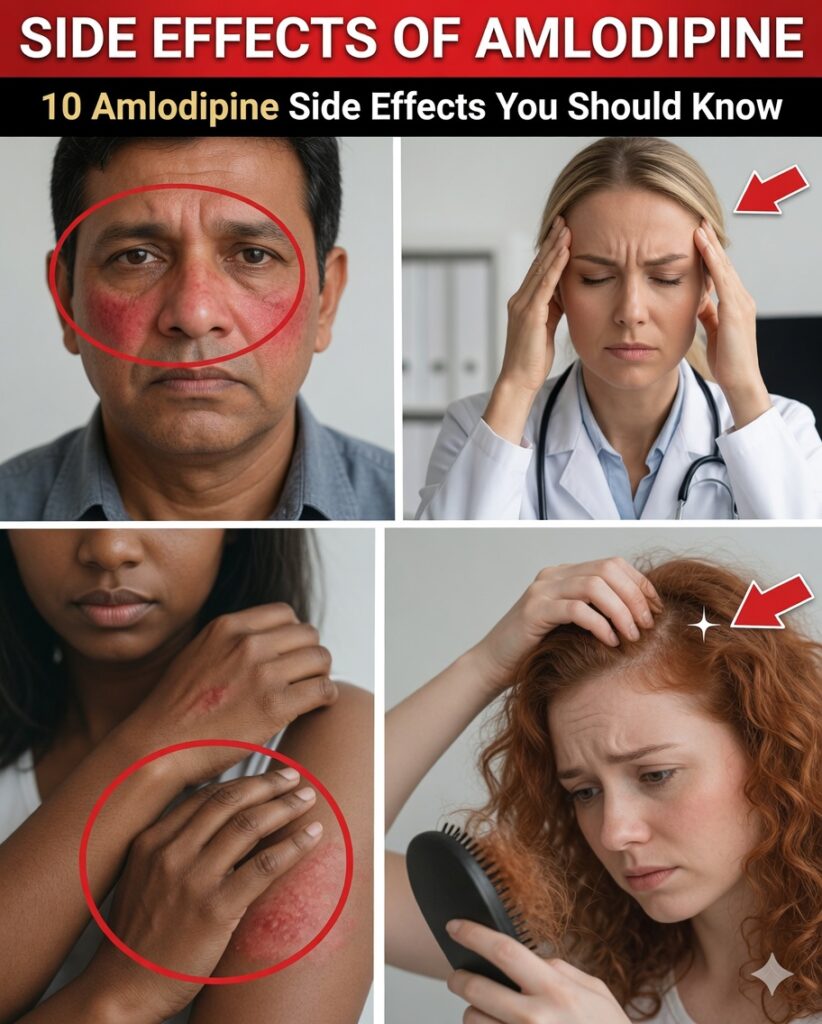
Mild swelling in ankles or feet (edema)
Fluid can collect in the lower extremities, especially later in the day. It’s often not painful, but it can feel uncomfortable or tight. -
Facial flushing or a warm sensation
A sudden wave of heat or redness may happen as more blood reaches the skin. It typically fades on its own. -
Light dizziness
This can appear when standing up quickly, as blood pressure may drop briefly during position changes. -
On-and-off fatigue
Some people feel unusually tired while the body adapts to lower blood pressure. -
Headache
More common early in treatment or after a dose change, headaches often improve with time. -
Awareness of heartbeat (palpitations sensation)
You may feel more aware of your pulse even without a true increase in heart rate. -
Heavy legs or a warm “muscle heat” feeling
Some describe it like the mild heaviness after light exercise, linked to changes in circulation.
How to Reduce Side Effects Naturally (Without Replacing Medical Treatment)
These strategies don’t replace your prescribed plan, but they can help support circulation and comfort:
- Move gently throughout the day to encourage blood flow
- Stay hydrated (avoid extremes—too little or too much)
- Track when symptoms happen to spot patterns (time of day, after meals, after long sitting)
- Elevate your legs after long periods of sitting or standing
- Stand up slowly to reduce dizziness
Practical Routine Guide
-
Light walks
- Frequency: Several short times daily
- Tip: Start slow and keep it consistent
-
Hydration
- Frequency: Throughout the day
- Tip: Avoid overhydrating; aim for steady intake
-
Leg elevation
- Frequency: As needed
- Tip: Keep legs supported comfortably above heart level if possible
-
Symptom monitoring
- Frequency: Daily
- Tip: Write down times, triggers, and what helped
Real-Life Experiences: Why Understanding Helps
Many patients feel calmer once they realize that ankle swelling, flushing, or mild dizziness can be typical amlodipine side effects. When the “unknown” becomes understandable, anxiety often drops—and it becomes easier to manage the day with small routine adjustments.
Conclusion
Amlodipine is a widely used and effective medication for blood pressure control. Side effects can feel unsettling at first, but knowing why they happen makes them easier to handle. With simple habits and careful attention to your body, many people continue treatment more comfortably. If anything feels unusual or severe, it’s always wise to seek professional guidance.
Frequently Asked Questions
How long do amlodipine side effects last?
Often a few weeks, as the body adapts.
When should I contact a doctor?
If you have pain, severe dizziness, worsening swelling, or symptoms that don’t improve or feel persistent.
Can I replace amlodipine with natural habits?
No. Healthy habits can support your well-being, but they do not replace prescribed treatment.
This content is for informational purposes and does not replace professional medical advice.