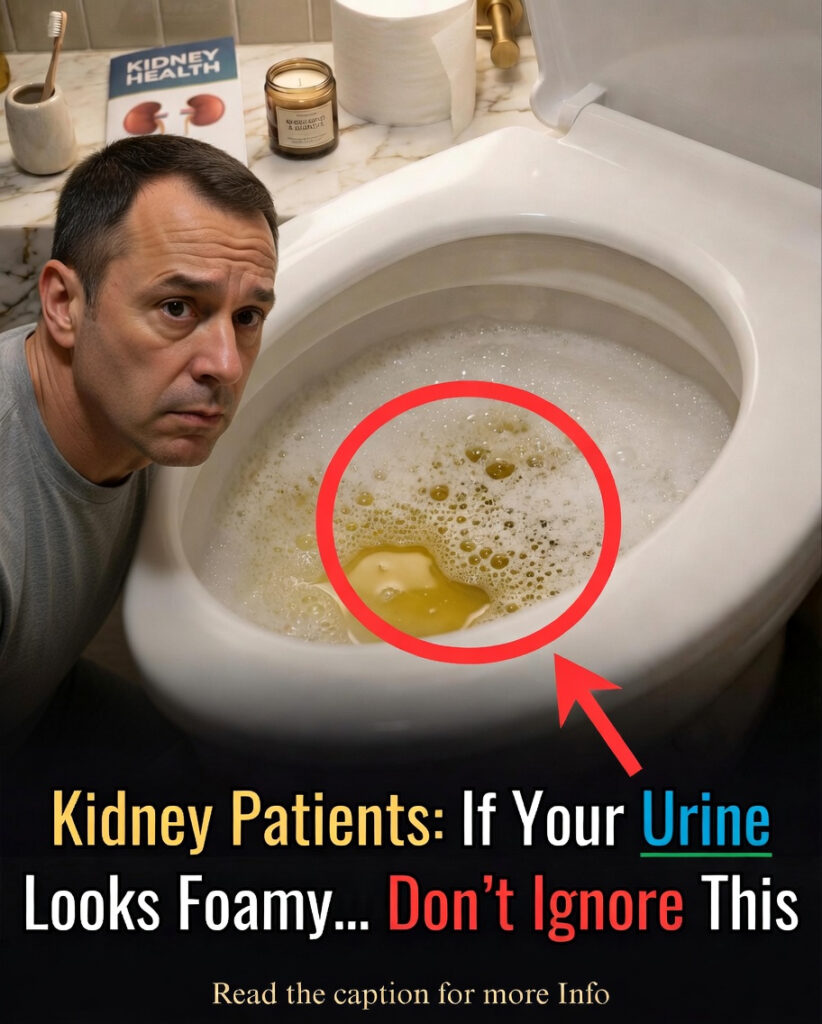
Persistent Foamy Urine: What It Could Mean for Kidney Health
You use the bathroom, look into the toilet, and notice a thick layer of foam floating on your urine. You know you drank enough water that day, so dehydration does not seem like the obvious explanation. If this keeps happening regularly instead of once in a while, it can feel unsettling, even without pain or other clear symptoms.
Many people ignore this change, assuming it is harmless. Sometimes it is. However, ongoing foamy urine can also be a sign that protein is leaking into the urine when it should be staying in the bloodstream. The good news is that noticing it early gives you a chance to take simple, helpful steps for your kidney health and overall peace of mind.
In this article, we will look at possible causes of persistent foamy urine, how to tell normal bubbles from a potential warning sign, and what daily habits may help protect your kidneys.
What Is Foamy Urine?
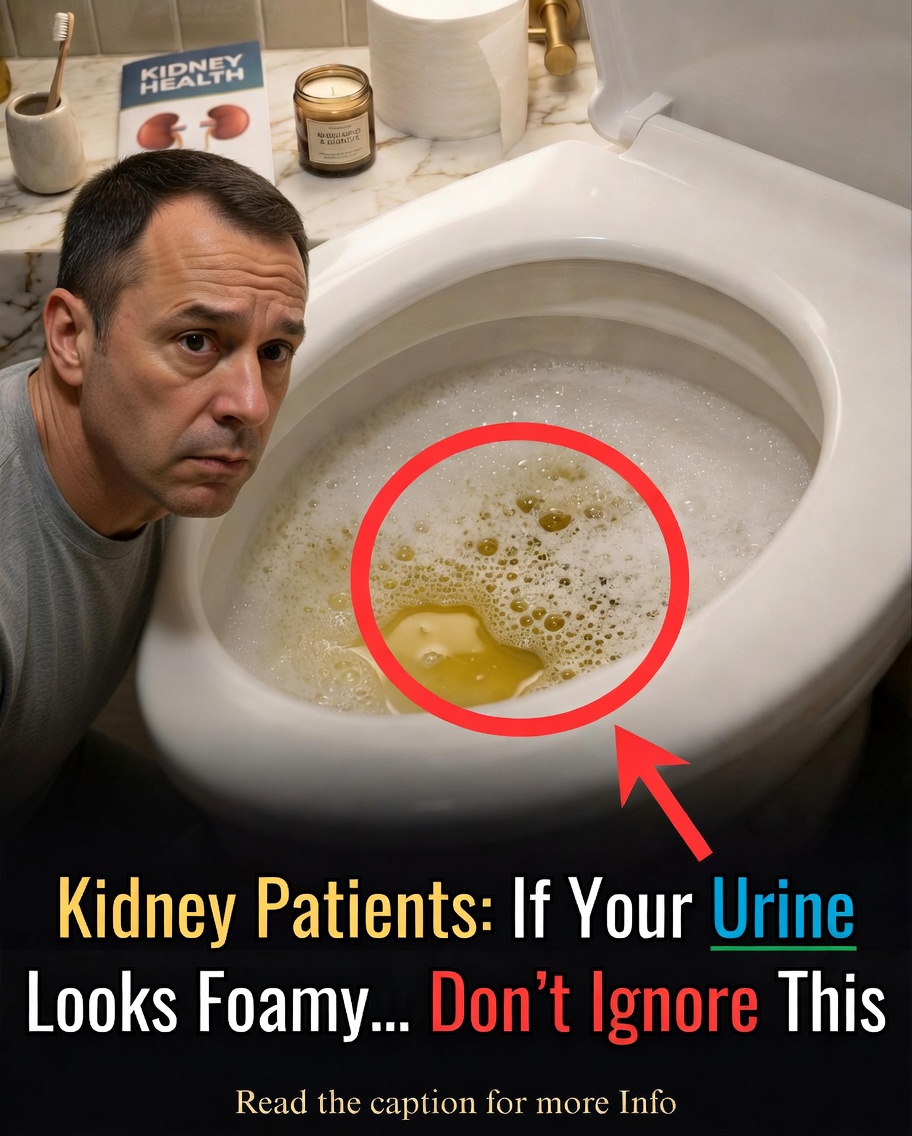
Foamy urine is urine that develops a white, frothy layer of bubbles that stays visible for several seconds or longer. This is different from the brief bubbles that can appear after a strong stream of urine hits the toilet water and then quickly disappear.
Reliable medical sources such as the Mayo Clinic and Cleveland Clinic note that occasional bubbling is usually normal. It may happen because of:
- Urinating with strong force
- Temporary dehydration
- Soap or cleaning products left in the toilet
What matters most is how often it happens and what it looks like. Normal bubbles tend to vanish quickly. More concerning foam is thicker, denser, and may resemble the top of a freshly poured beer.
When It Is Harmless and When It May Be a Warning Sign
Not every episode of foamy urine means something is wrong. In many cases, there is a simple explanation.
Common harmless causes
- Dehydration: Less fluid in the body makes urine more concentrated, which can create temporary foam.
- Fast urine flow: A forceful stream can trap air and make bubbles form.
- Soap or toilet cleaner residue: Chemicals in the bowl may create froth that has nothing to do with your urine.
- Certain supplements or medications: Some products can briefly change the appearance of urine.
Still, persistent foam should not be dismissed too quickly. When it shows up often, especially day after day, it may be related to proteinuria, which means there is too much protein in the urine.
Protein normally stays in the blood. If the kidneys’ filtering system becomes damaged or stressed, proteins such as albumin can pass into the urine. This can make urine appear foamy or frothy.
Health issues often linked to protein in urine
- Long-standing high blood pressure that strains kidney blood vessels
- Diabetes or blood sugar problems that affect kidney function
- Other medical conditions that gradually reduce kidney health
According to the National Kidney Foundation, foamy urine can be one of the first visible changes when the kidneys are no longer filtering properly.

How to Tell the Difference Between Normal Bubbles and Concerning Foam
A simple comparison can help you decide whether what you are seeing is probably harmless or worth watching more closely.
Likely normal bubbles
- Happen only occasionally
- Fade away within seconds
- Usually appear after a fast stream of urine
- Improve when you are better hydrated
- Are not accompanied by swelling, tiredness, or other unusual symptoms
Foam worth monitoring
- Appears on most days
- Forms a thick, lasting layer
- Looks more like soap suds than a few scattered bubbles
- Does not improve even when you drink enough water
- May come with subtle symptoms such as:
- Mild swelling in the hands, feet, face, or ankles
- Unusual fatigue
- Changes in urination patterns
If your experience sounds more like the second list, it may be helpful to monitor it for one to two weeks and note how often it happens.
Tests Doctors Commonly Use
If you bring up persistent foamy urine during a medical visit, your provider will often begin with basic tests that are easy and informative.
Urine tests
- Urinalysis: A routine urine test that can quickly detect protein and other abnormalities
- Protein-to-creatinine ratio: Often done using a single urine sample to estimate how much protein is being lost
Blood tests
Doctors may also order blood work to evaluate kidney function, including:
- Creatinine
- Estimated glomerular filtration rate (eGFR)
These results help show how well the kidneys are filtering waste from the blood. Catching changes early makes it easier to discuss next steps, including lifestyle adjustments and follow-up care.
Daily Habits That Support Kidney Health
You do not need a major life overhaul to start helping your kidneys. Small, steady habits can make a meaningful difference over time.
1. Stay well hydrated
Try to keep your urine clear or pale yellow most of the day. It is better to drink water consistently than to consume a large amount all at once.
2. Cut back on excess sodium
Too much salt can raise blood pressure, which increases stress on the kidneys. Choosing fresh foods and checking nutrition labels can help lower sodium intake.
3. Be physically active
Regular movement, such as walking or other moderate exercise, supports healthy blood pressure, body weight, and circulation.
4. Track your blood pressure
If you have a home monitor, keep a record of your readings. Consistently high numbers deserve medical attention, especially because blood pressure and kidney health are closely connected.
5. Eat in a kidney-friendly way
Focus more on:
- Fruits
- Vegetables
- Whole grains
Try to limit highly processed foods, which often contain large amounts of sodium and additives.
6. Avoid smoking
Smoking harms blood vessels throughout the body, including those that supply the kidneys.
7. Manage blood sugar if needed
If you have diabetes or prediabetes, keeping blood sugar in a healthy range can reduce strain on the kidneys over time.
Research continues to show that daily lifestyle choices play a major role in protecting kidney function and slowing the progression of possible kidney problems.
When to Contact a Healthcare Professional
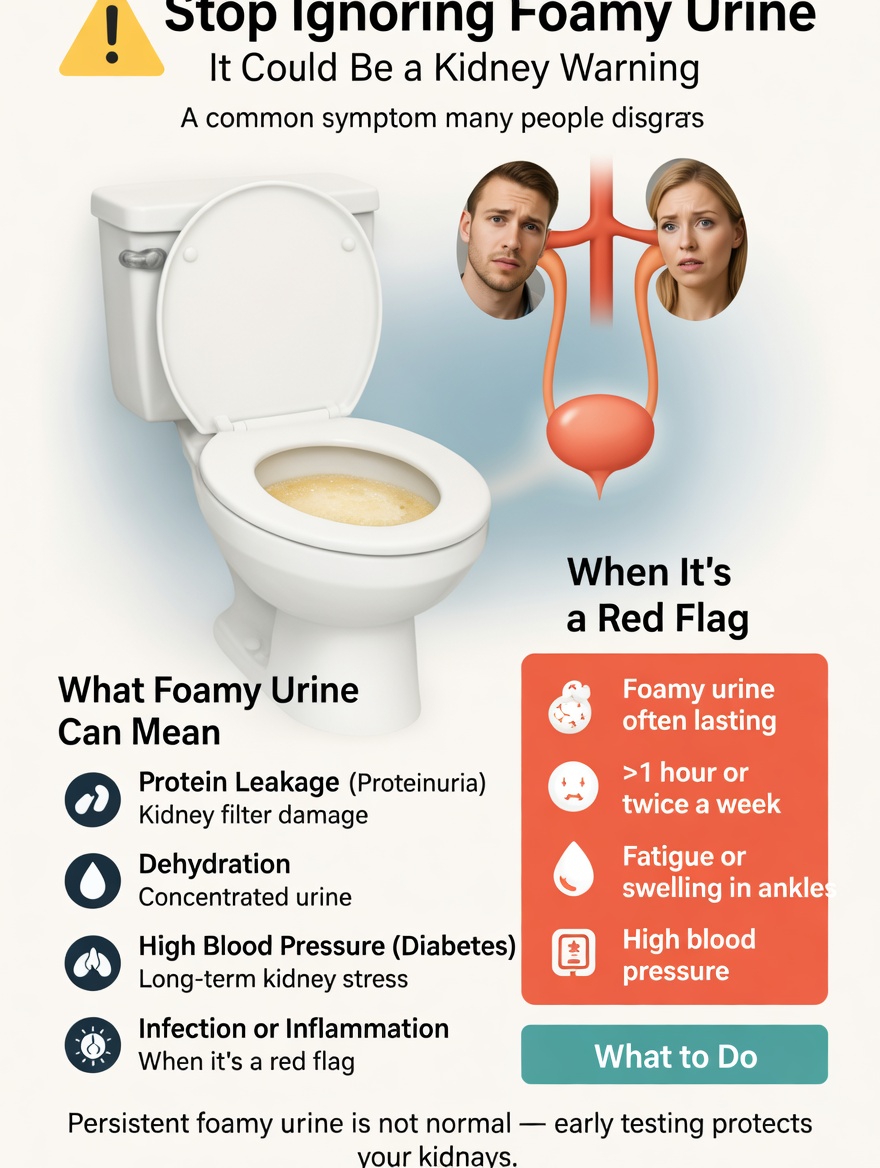
It is a good idea to reach out to a doctor or healthcare provider if:
- Foamy urine happens every day for more than a couple of weeks
- You notice swelling in your legs, ankles, hands, or face
- You feel unusually tired without a clear reason
- Your urination habits change noticeably
Getting evaluated early can lead to better outcomes, especially if there is an underlying issue affecting kidney function.
Final Thoughts
Persistent foamy urine is not always a sign of serious illness, but it is not something to ignore when it happens regularly. In some cases, it is caused by dehydration, strong urine flow, or toilet residue. In others, it may point to protein in the urine and possible stress on the kidneys’ filtering system.
Paying attention to this small change can be an important first step. By staying hydrated, eating more thoughtfully, keeping active, and speaking with a healthcare professional when needed, you can take practical action to support your kidney health for the long term.
Taking notice today may help protect your future health.
Frequently Asked Questions
Why is my urine foamy only sometimes?
Occasional foam is usually linked to temporary causes such as dehydration, urinating quickly, or residue in the toilet bowl. If it disappears fast and does not happen often, it is usually not a concern.
Will drinking more water get rid of foamy urine?
It can help if dehydration is the reason. In that case, urine often looks clearer once you are properly hydrated. If the foam continues despite good fluid intake, it is worth discussing with a healthcare provider.
Is foamy urine always a serious problem?
No. Many cases are harmless. However, if the foam is frequent, thick, and persistent, especially with other symptoms, a medical evaluation can help rule out kidney-related issues.