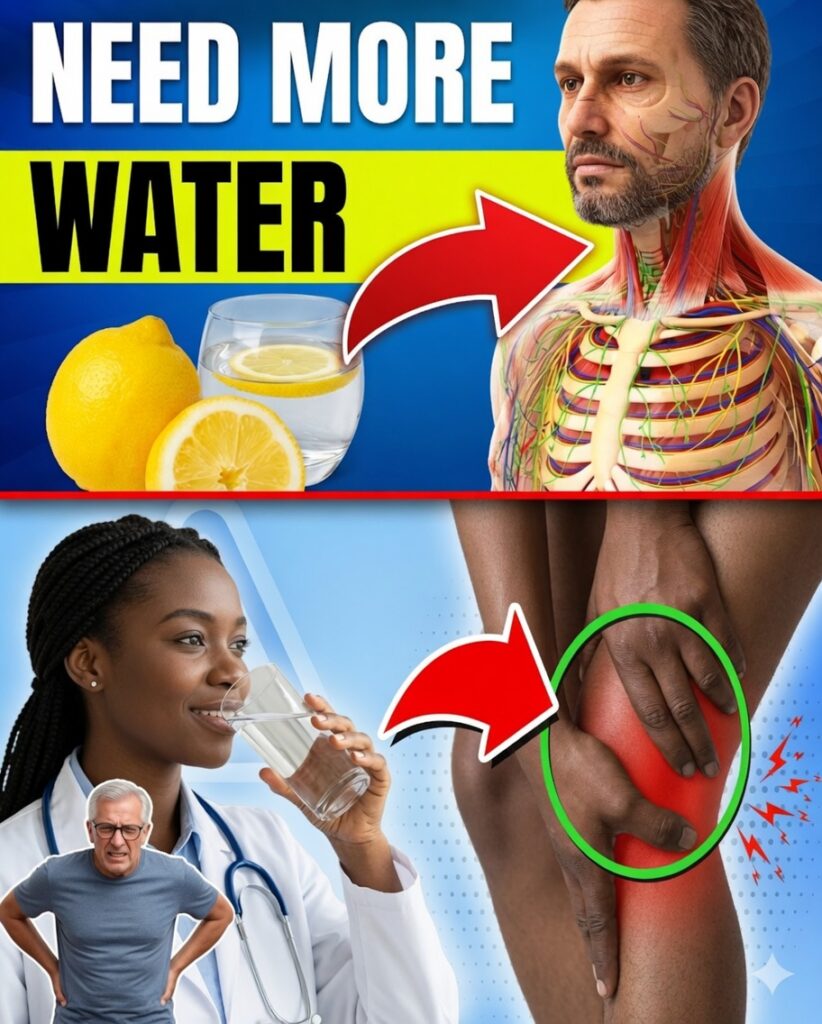
You Could Be Dehydrated Without Knowing It: 8 Warning Signs Linked to Fatigue, Headaches, and Digestive Issues
Have you ever felt unusually tired, mentally foggy, or easily irritated for no clear reason? It’s common to blame stress, aging, or a poor night’s sleep—but sometimes the explanation is far more straightforward.
Many adults spend day after day in a state of mild dehydration without realizing it. Since the human body is roughly 60% water, even a small drop in hydration can affect energy, focus, digestion, and skin condition.
The good news: your body doesn’t stay quiet about it. It sends signals that can help you recognize when you need more fluids—before dehydration starts impacting your daily life.
8 Common Signs Your Body Needs More Water
1. Persistent Thirst
Thirst is your body’s most direct hydration alarm. When fluid levels fall, your brain prompts you to drink.
If you’re often thirsty throughout the day, it may mean you’re already slightly dehydrated. A better strategy is to drink water consistently, not only when thirst kicks in.
2. Dry Mouth or a Sticky Tongue
Saliva depends on adequate hydration. When you’re low on fluids, you may notice:
- a dry mouth
- a sticky or coated tongue
- unpleasant breath
- discomfort when speaking
Drinking water regularly helps restore moisture and supports healthy oral function.
3. Dark Yellow Urine
Urine color is one of the simplest hydration checks:
- Clear to pale yellow typically suggests good hydration
- Dark yellow to amber often points to dehydration
When you don’t drink enough, the kidneys conserve water, producing more concentrated urine.
4. Unexplained Fatigue
If you’re drained even after sufficient sleep, dehydration may be a factor.
Lower fluid intake can reduce blood volume slightly, making it harder for oxygen and nutrients to circulate efficiently. The result: you may feel sluggish, heavy, or low-energy. Proper hydration supports circulation and can improve stamina.
5. Frequent Headaches
Mild dehydration can contribute to headaches for some people.
When the body loses fluid, brain tissues may temporarily shrink slightly, which can increase pressure and discomfort. Increasing your water intake may help reduce dehydration-related headaches.
6. Dizziness or Lightheadedness
Feeling dizzy—especially when standing up—can be linked to low hydration.
Dehydration may lower blood pressure and reduce oxygen delivery to the brain, leading to lightheadedness. Staying hydrated can help stabilize these symptoms.
7. Dry, Dull, or Flaky Skin
Skin often shows early signs of dehydration. When you’re not drinking enough, your skin may appear:
- dull
- dry
- less elastic
While skincare helps on the surface, hydration supports skin from within and can improve overall appearance.
8. Constipation
Water is essential for smooth digestion. Without enough fluids, the body pulls more water from stool in the intestines, making it harder, drier, and more difficult to pass.
Drinking enough water supports regular bowel movements and helps keep digestion moving comfortably.
How Much Water Do You Actually Need?
Hydration needs vary by body size, activity level, climate, and diet. A commonly used guideline is to drink about half your body weight (in pounds) in ounces of water per day. You may need more if you sweat heavily, exercise frequently, or live in a hot environment.
Simple Hydration Habits That Make a Difference
Try these practical ways to drink more water consistently:
- Drink a glass of water soon after waking up
- Sip water with meals
- Keep a reusable water bottle with you
- Add lemon, cucumber, or mint if you want more flavor
The Bottom Line
Water may seem basic, but it supports nearly every major body function—brain performance, digestion, energy, circulation, and skin health.
If several of these dehydration symptoms sound familiar, your body may be asking for one simple change: drink more water.
Start small today—add one extra glass of water and notice how you feel. Over time, this easy habit can meaningfully improve your day-to-day wellbeing.