
14 Cancer Warning Signs Many Women Overlook Every Day (Number 5 Often Shows Up First)
Cancer remains one of the leading causes of death among women worldwide. The good news is that early detection can dramatically improve treatment options and recovery outcomes. The challenge is that many women are constantly juggling work, family, and daily responsibilities—so it’s easy to dismiss subtle changes in the body as stress, hormones, or “just getting older.”
But what if those “normal” changes are actually your body’s early warning signals?
Some symptoms may be linked to breast, ovarian, cervical, endometrial, or colorectal cancer. Recognizing potential red flags early can save lives. Below are 14 warning signs many women ignore—and simple habits that can help protect your health.
Why These Symptoms Are So Easy to Ignore
Because the female body naturally goes through frequent changes—menstrual cycles, pregnancy, postpartum shifts, and menopause—many symptoms can seem routine or harmless.
However, when something is persistent, worsening, or appears unexpectedly, it deserves attention. Overlooking ongoing symptoms can delay diagnosis and treatment.
Let’s begin with one of the most common—and most frequently brushed off—warning signs.
1. Unusual Vaginal or Rectal Bleeding
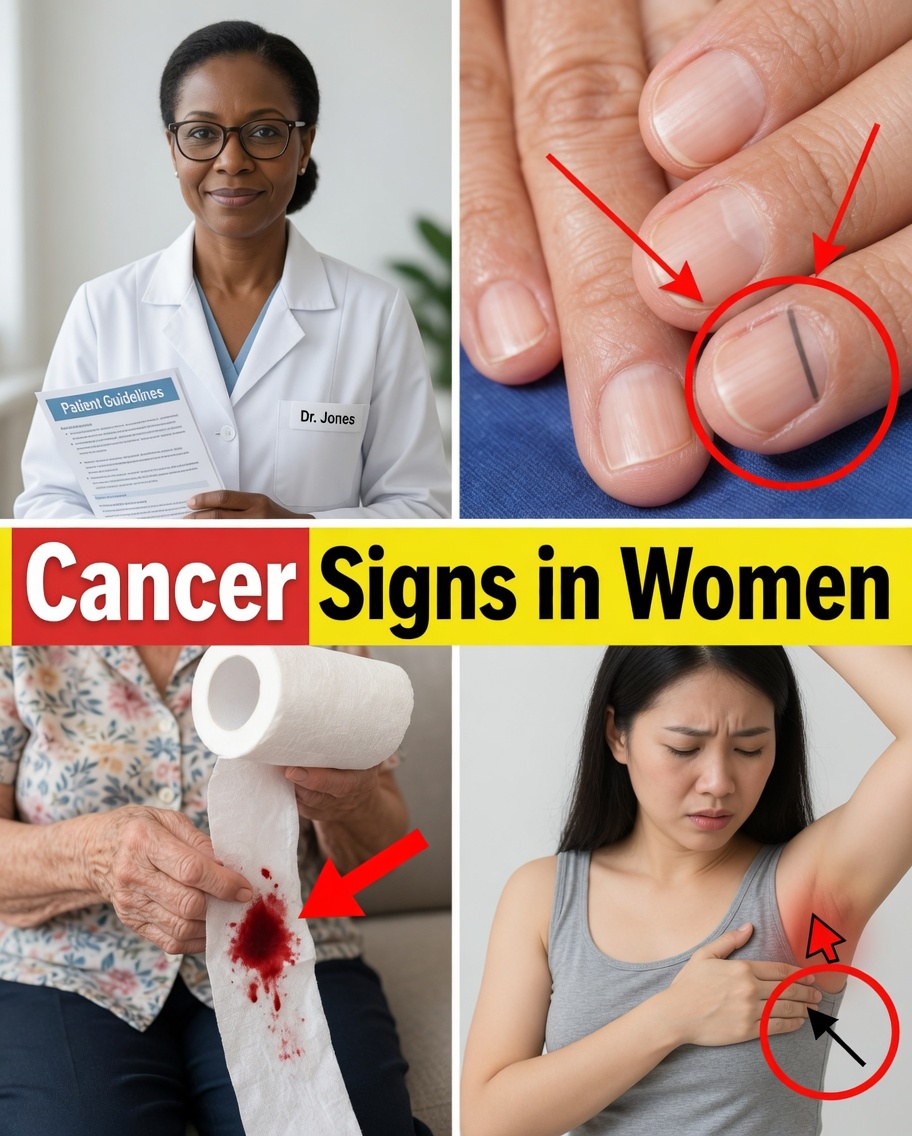
Bleeding between periods, after sex, or after menopause should never be considered “normal.” It may be associated with conditions involving the cervix or endometrium.
Rectal bleeding also needs evaluation. While it can have benign causes, it may also be connected to intestinal issues, including colorectal cancer.
2. Unexplained Weight Loss
Losing weight without changing diet or exercise might seem like a welcome surprise at first. Still, unintentional weight loss—especially more than about 5 kg (11 lbs)—can be a signal that something in the body isn’t functioning properly.
3. Breast Changes (Not Just Lumps)
Many women only check for lumps, but breast cancer symptoms can show up in other ways. Watch for:
- Redness or swelling
- Skin texture changes (such as “orange peel” appearance)
- Nipple turning inward
- Unusual nipple discharge
- Ongoing breast pain
Knowing what’s normal for your breasts makes it easier to spot changes early.
4. Changes in Moles or Skin Spots
Dermatologists often use the ABCDE rule to identify suspicious moles:
- A — Asymmetry
- B — Border irregularity
- C — Color variation
- D — Diameter larger than 6 mm
- E — Evolving (changing over time)
Any mole or spot that changes noticeably should be checked by a healthcare professional.
5. Persistent Bloating or Ongoing Pelvic Pain
Ovarian cancer is known for having subtle, easy-to-miss symptoms, such as:
- Bloating that doesn’t go away
- Feeling full quickly while eating
- Pelvic pressure or abdominal discomfort
- Frequent urge to urinate
If these occur almost daily for weeks, it’s important to get evaluated rather than assuming it’s digestion or hormones.
6. Extreme Fatigue That Doesn’t Improve With Rest
Feeling tired after a long day is normal. But persistent, intense fatigue that doesn’t get better—even with good sleep—can be a sign your body is dealing with something more serious.
7. Very Irregular or Unusually Heavy Periods
Periods that become suddenly irregular, significantly heavier, or last much longer than usual may be linked to uterine or cervical concerns. Any major change in your cycle pattern deserves attention.
8. Severe Night Sweats
Waking up drenched in sweat—especially when paired with fever or unexplained weight loss—can sometimes be associated with cancers such as lymphoma, among other conditions.
9. Swollen Lymph Nodes That Don’t Go Away
Lymph nodes may swell temporarily during infections. But swelling in the neck, armpit, or groin that lasts more than two weeks should be assessed, as it may indicate the immune system is reacting to a bigger issue.
10. Blood in the Stool
Even a small amount of blood should not be ignored. It’s often blamed on hemorrhoids, but it can also signal intestinal problems, including colorectal cancer.
11. A Cough That Won’t Go Away
A cough lasting more than two to three weeks, particularly if it comes with chest pain or coughing up blood, should be investigated by a medical professional.
12. Headaches That Feel Unusual for You
Headaches that are sudden, severe, or clearly different from your usual pattern may require medical evaluation—especially if they are persistent or worsening.
13. Mouth Sores That Don’t Heal
Sores in the mouth that linger, red or white patches, or persistent jaw discomfort may point to oral health problems that shouldn’t be ignored, particularly if they don’t improve.
14. Urinary Problems or Blood in the Urine
Symptoms such as:
- Burning with urination
- Needing to urinate more often
- Blood in the urine
can be caused by infections, but if they persist or return repeatedly, they may be linked to issues involving the bladder or kidneys and should be checked.
Practical Ways to Protect Your Health
Small, consistent habits can make a major difference:
- Pay attention to your body and take note of unusual changes
- Schedule routine screenings such as mammograms, Pap tests, and skin checks
- Maintain a balanced diet and stay physically active
- Avoid tobacco and limit alcohol
- See a healthcare professional if a symptom persists, worsens, or feels out of place
One Simple Step That Can Change Everything
Imagine noticing a symptom early, getting guidance quickly, and addressing the issue before it becomes serious. Body awareness turns fear into prevention.
Choose today to take your body’s signals seriously. Booking the check-up you’ve been postponing could be one of the most important steps you take for your long-term health.
Your body communicates every day—make sure you listen.