
Want Better Digestion and Steadier Blood Sugar? Start by Preparing Chia the Right Way
If you’re trying to help your body support regular bowel movements and manage blood sugar naturally, learning how to soak chia seeds properly is a smart first step.
Many people start eating chia expecting more energy, better digestion, and overall wellness—yet end up dealing with bloating or stomach discomfort. If that’s been your experience, you’re not alone.
In most cases, the issue isn’t the chia seeds themselves. The real problem is how they’re prepared. Small mistakes during soaking can prevent proper nutrient release and may even trigger digestive issues.
So the key question is: Are you soaking chia seeds the correct way? With a few simple adjustments, you can get much better results—like smoother digestion, longer-lasting fullness, and more stable energy.
Why Soaking Chia Seeds Matters
Chia seeds may be tiny, but they’re packed with nutrition. Just 1 tablespoon typically provides around:
- 5 g of fiber
- 3 g of protein
- A meaningful amount of plant-based omega-3s
When chia meets liquid, it forms a natural gel thanks to a type of soluble fiber called mucilage. That gel can help:
- Improve bowel regularity
- Support healthier blood sugar levels
- Increase satiety (feeling full longer)
- Make nutrients easier to digest and absorb
However, these benefits depend heavily on proper hydration.
How Chia Hydration Works
Chia seeds can absorb about 10–12 times their weight in liquid. This soaking process helps activate natural compounds and improves the body’s ability to use key nutrients such as minerals and essential fatty acids.
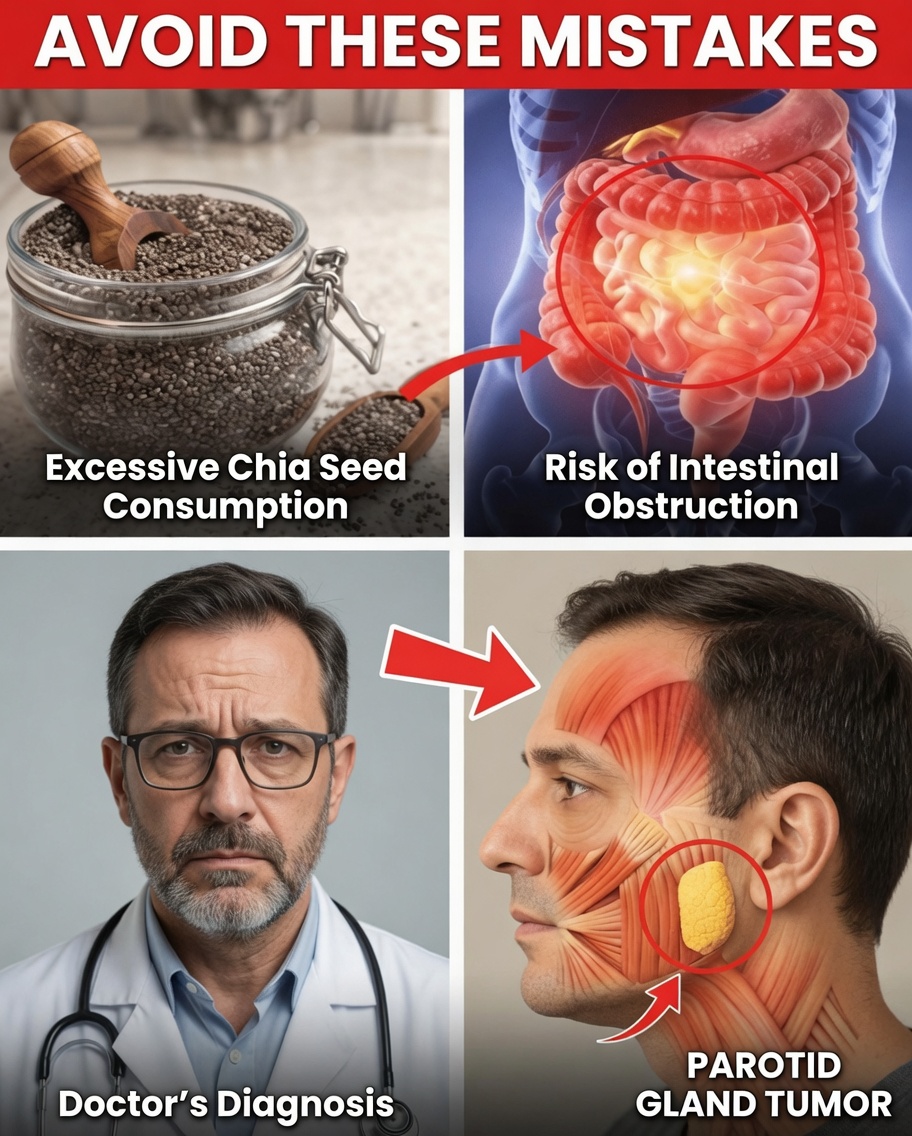
If chia is eaten dry or only partially soaked, it can continue pulling water from your digestive tract. That may lead to heaviness, discomfort, or bloating.
5 Common Mistakes When Soaking Chia (And How to Fix Them)
1. Using Ice-Cold Water
Many people pour chia into water straight from the refrigerator. Cold temperatures slow down absorption, so the gel forms more slowly and less effectively.
Fix:
Use room-temperature water or slightly warm liquid to speed up hydration and improve digestibility.
2. Soaking for the Wrong Amount of Time
A quick 5-minute soak usually isn’t enough for full gel formation. On the other hand, leaving chia for more than 24 hours can cause fermentation and unpleasant flavor changes.
Fix:
Soak chia for 15–30 minutes at room temperature. If you’re making chia pudding, let it hydrate first, then refrigerate afterward.
3. Choosing the Wrong Liquid
Very sweet juices can cause blood sugar spikes, and highly acidic drinks may bother sensitive stomachs.
Fix:
Choose mild, healthy liquids such as:
- Filtered water
- Unsweetened plant milk (almond or coconut)
- Herbal tea
- Coconut water
4. Skipping a Quick Rinse
Using chia straight from the bag is common, but a fast rinse can remove dust and may reduce compounds that interfere with mineral absorption.
Fix:
Place chia in a fine-mesh strainer and rinse with warm water for 20–30 seconds before soaking.
5. Storing It the Wrong Way
Making large batches and storing them in plastic containers can affect flavor and reduce quality over time.
Fix:
Keep soaked chia in a sealed glass jar in the refrigerator and use it within 3 days.
How to Prepare Chia Seeds Correctly (Step-by-Step)
Use this easy method for consistently good texture and better digestion:
- Rinse 1–2 tablespoons of chia with warm water for 20–30 seconds
- Combine with 6 to 8 parts liquid (example: 1 tablespoon chia + ½ cup water or unsweetened plant milk)
- Stir thoroughly to prevent clumping
- Let it sit for 15–30 minutes until a gel forms
- For chia pudding, refrigerate after the initial hydration
Extra tip: Add a pinch of cinnamon or a few drops of lemon to enhance flavor and provide natural antioxidants.
Benefits You May Notice When Chia Is Prepared Properly
When soaked correctly, many people report:
- Easier digestion
- Less abdominal bloating
- More stable energy throughout the day
- Longer-lasting fullness
- Better nutrient absorption
Small changes in preparation can create meaningful improvements over time.
Important Notice
This article is for informational purposes only and does not replace medical advice. If you have digestive concerns or specific health conditions, speak with a qualified healthcare professional before making dietary changes.