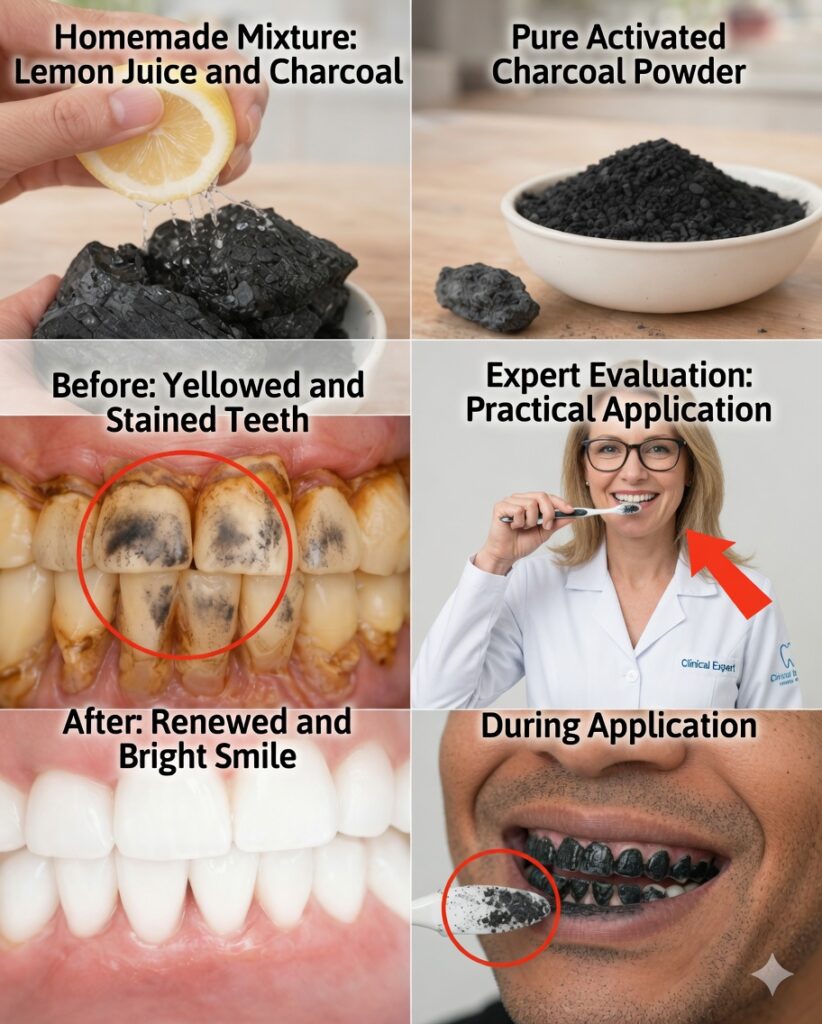
Is Your Smile Turning Yellow Even If You Brush Every Day?
If your teeth look more yellow despite daily brushing, you’re not alone. Many people are tempted by viral “natural” whitening hacks—especially activated charcoal and lemon juice. The problem: this popular combination can damage tooth enamel and make discoloration (and sensitivity) worse over time. Below, you’ll learn why it happens and what actually helps you achieve a whiter, healthier smile safely.
Why So Many People Want Whiter Teeth
Millions of adults hope for a brighter smile, but stains from coffee, tea, red wine, and everyday habits often lead to noticeable tooth discoloration. Research suggests roughly 60% to 80% of people would prefer lighter teeth, and staining can impact confidence in photos, social situations, and even professional settings.
When regular brushing doesn’t make a visible difference, many turn to at-home “quick fixes.” Activated charcoal and lemon are among the most common—but do they truly whiten teeth, or do they cause long-term harm?
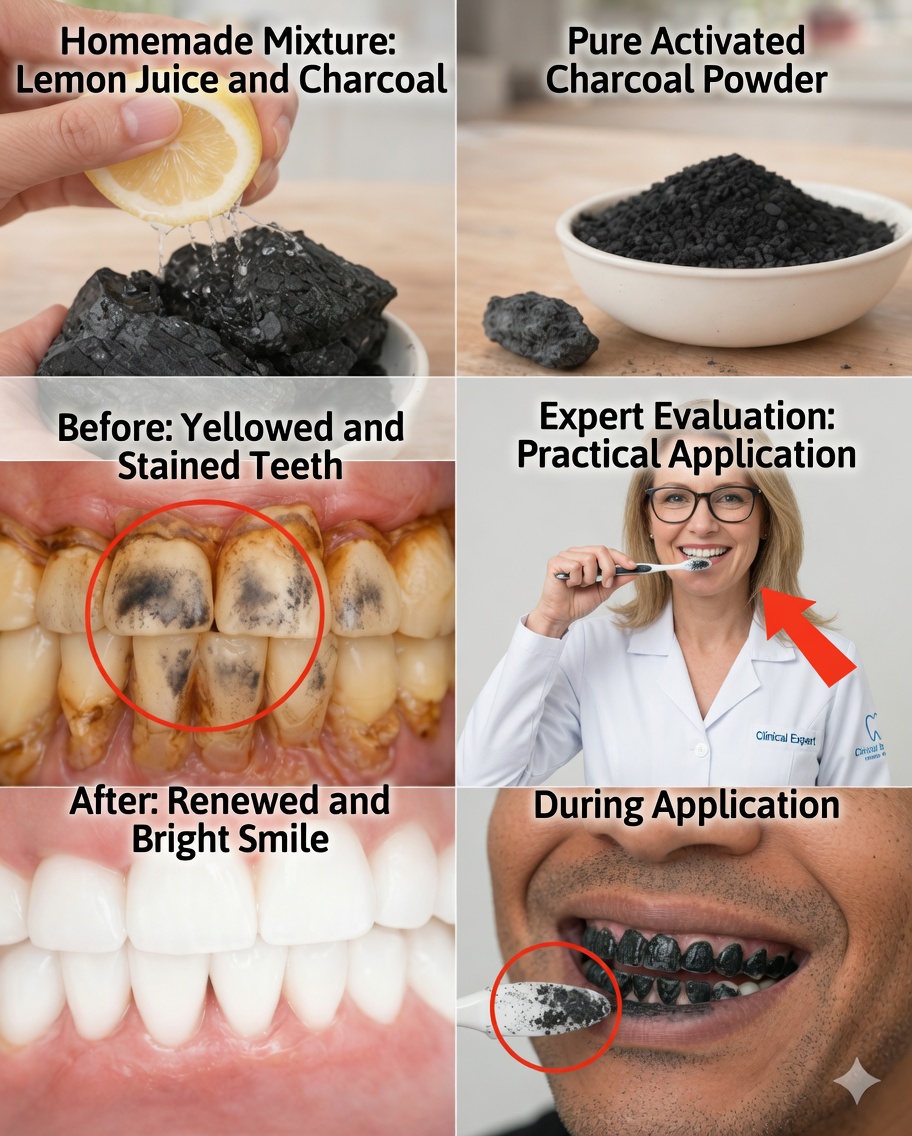
Why Activated Charcoal and Lemon Became a Trend
In an era where many people try to avoid “chemicals,” natural DIY solutions can feel safer, cheaper, and easier to access.
- Activated charcoal (often made from heated coconut shells or similar materials) is known for its ability to adsorb substances. This has led to the belief that it can “pull” stains off teeth.
- Lemon juice contains citric acid and creates an intense “clean” feeling, which can be mistaken for effective whitening.
Social media often promotes mixing them into a paste, promising whiter teeth in just days—without the cost of professional whitening. What these videos rarely highlight is the safety risk, especially to enamel.
The Real Impact of Stained Teeth
Tooth stains affect more than appearance. People may:
- Smile less or avoid photos
- Feel self-conscious during close conversations
- Worry about first impressions in social or work environments
In some cases, persistent discoloration may also point to plaque buildup or enamel wear. Unfortunately, aggressive DIY whitening can worsen the underlying problem instead of solving it.
What Science Says About Activated Charcoal for Teeth Whitening
Activated charcoal may reduce some surface stains, but studies suggest its whitening effect is limited. More importantly, charcoal can be abrasive.
That abrasiveness matters because enamel does not regenerate. Repeated scrubbing with gritty particles may wear enamel down, leading to:
- Increased tooth sensitivity
- A higher risk of new stains (because worn enamel can trap discoloration more easily)
- A duller or more yellow appearance over time
Dental organizations also note that there isn’t enough strong evidence confirming the long-term safety of frequent activated charcoal use for teeth whitening.
Why Lemon Juice Can Be Harmful to Tooth Enamel
Lemon may be natural, but it is also highly acidic. Citric acid can weaken and erode tooth enamel.
Once enamel is damaged:
- Teeth often become more sensitive (hot/cold discomfort)
- Teeth can look more yellow, because the darker inner layer (dentin) becomes more visible
Mixing lemon with charcoal may intensify the problem: the acid softens enamel, and the charcoal’s abrasiveness can speed up enamel wear.
Real-World Experiences People Report
Some people notice a brief improvement at first—often because surface buildup is being scrubbed away. But after a few weeks, many begin experiencing:
- Sensitivity when drinking cold or hot beverages
- Discomfort during brushing
- Stains returning more easily
Dentists also report cases where frequent use of these DIY mixtures contributed to enamel erosion and eventually required restorative dental care.
Safer, More Effective Ways to Whiten Teeth
The good news: you can improve tooth color without damaging enamel by choosing proven, safer options.
-
Whitening toothpastes approved by dental associations
These use gentle polishing agents and small amounts of peroxide (in some formulas) to gradually reduce stains. -
Peroxide-based whitening strips or gels
When used exactly as directed, they can deliver visible whitening with a low risk of sensitivity for many people. -
Professional in-office whitening
Done under dental supervision, this option offers faster, more controlled results—especially for stubborn discoloration.
Daily Habits That Help Keep Teeth Whiter
Simple routine changes can also reduce staining and maintain results:
- Brush your teeth twice a day
- Floss consistently
- Cut back on common staining drinks (coffee, tea, red wine, dark sodas)
- Use a straw for iced coffee or dark soft drinks to reduce contact with teeth
- Eat crunchy fruits and vegetables like apples and carrots, which can help mechanically clean teeth surfaces
Conclusion
DIY whitening recipes like charcoal and lemon may look like a fast solution, but they can cause permanent enamel damage—leading to sensitivity and even more noticeable yellowing over time. Instead of following viral trends, choose safe, evidence-based teeth whitening methods and consistent daily care.
A bright, healthy smile doesn’t require risky shortcuts. With the right approach, you can achieve lasting results and feel confident smiling every day.
Frequently Asked Questions
-
Is activated charcoal safe for daily use on teeth?
Not recommended. Its abrasiveness can gradually wear down enamel. -
Can lemon whiten teeth without causing damage?
No. Lemon’s high acidity can erode enamel quickly. -
What is the safest way to whiten teeth at home?
Using dental-association-approved whitening products and following the instructions carefully is generally considered the safest approach.
This article is for informational purposes only and does not replace professional dental advice. Consult a dentist for recommendations tailored to your needs.