7 Quiet Heart Attack Warning Signs Your Body May Send Days Before — Spotting Them Early Can Save Your Life
You wake up feeling unusually drained. You assume it’s just a busy week catching up with you, so you push through your routine. A few days later, you notice a mild chest pressure or a sudden wave of nausea—but you blame stress, reflux, or something you ate.
The issue is that these “small” discomforts can be early red flags that your heart is in trouble. Ignoring them can lead to serious consequences.
Heart attacks remain one of the leading causes of death worldwide. And unlike in movies, they don’t always begin with crushing chest pain. In many cases, the signals are subtle, easy to dismiss, and mistaken for everyday problems. The good news: recognizing early heart attack symptoms can prompt faster medical care—and that can save lives.
Why Subtle Symptoms Are So Dangerous
Not every heart attack is dramatic. For many people, symptoms build gradually over several days—or even weeks. Women, older adults, and people living with diabetes are more likely to experience “atypical” or silent heart attack signs that can look like fatigue, indigestion, anxiety, or normal aging.
This delay in seeking help reduces the window for effective treatment. When it comes to the heart, every minute matters.
1. Extreme, Unexplained Fatigue
One of the most commonly overlooked warning signs is sudden, deep exhaustion that doesn’t make sense.
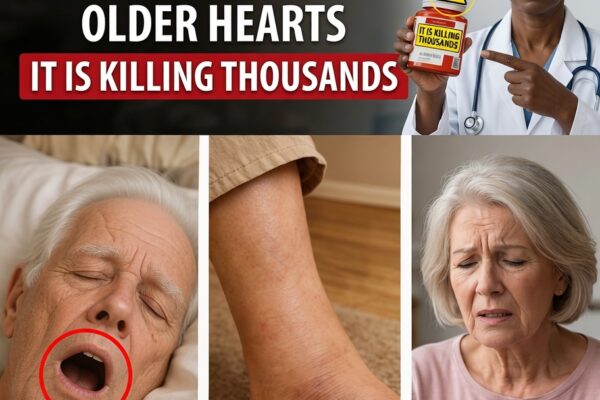
Even after a full night’s sleep, you may feel wiped out. Simple tasks—walking to the mailbox or climbing a few steps—can feel unusually hard. This kind of severe fatigue can show up days or weeks before a heart attack, potentially indicating your heart is struggling to pump enough blood.
2. Shortness of Breath — Even While Resting
Feeling out of breath without exertion can be a major red flag.
Some people notice they have to take deeper breaths or can’t “catch” their breath while sitting or lying down. It’s often misread as anxiety or poor fitness, but it may signal that the body isn’t getting enough oxygen because the heart isn’t working effectively.
3. Sudden Dizziness or Weakness
A brief spell of dizziness—or the feeling that your legs might give out—can be more than just a random episode.
This may occur when blood pressure drops or when the heart can’t deliver enough blood to the brain. Many people brush it off, but it can be a sign that the heart is under significant strain.
4. Cold Sweats and Nausea Without a Clear Cause
Cold, clammy sweating paired with nausea is a classic warning sign.
Unlike sweat from heat or exercise, a cold sweat can appear suddenly and leave your skin damp and sticky. It may come with nausea or even vomiting. These symptoms are frequently mistaken for food poisoning or a stomach issue.
5. Flu-Like Body Aches or General Malaise
Some people experience muscle aches, mild feverish feelings, or an overall sense of being unwell in the days before a heart attack.
It can feel like a minor flu or a passing virus, leading many to rest at home and wait it out. However, when it appears alongside other symptoms, it may reflect cardiovascular stress.
6. Mild Chest Pressure or Tightness
A heart attack doesn’t always involve intense pain.
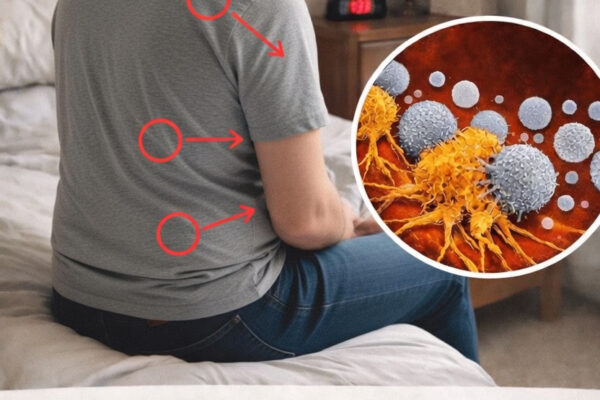
In many cases, the sensation is described as pressure, heaviness, squeezing, or tightness in the chest. It may come and go and might not feel “severe,” which makes it easier to ignore. Discomfort can also spread to the arms, back, neck, jaw, or shoulders.
Women often describe it as a tight band around the chest or pressure in the upper back rather than sharp chest pain.
7. Unexplained Swelling in Legs, Ankles, or Feet
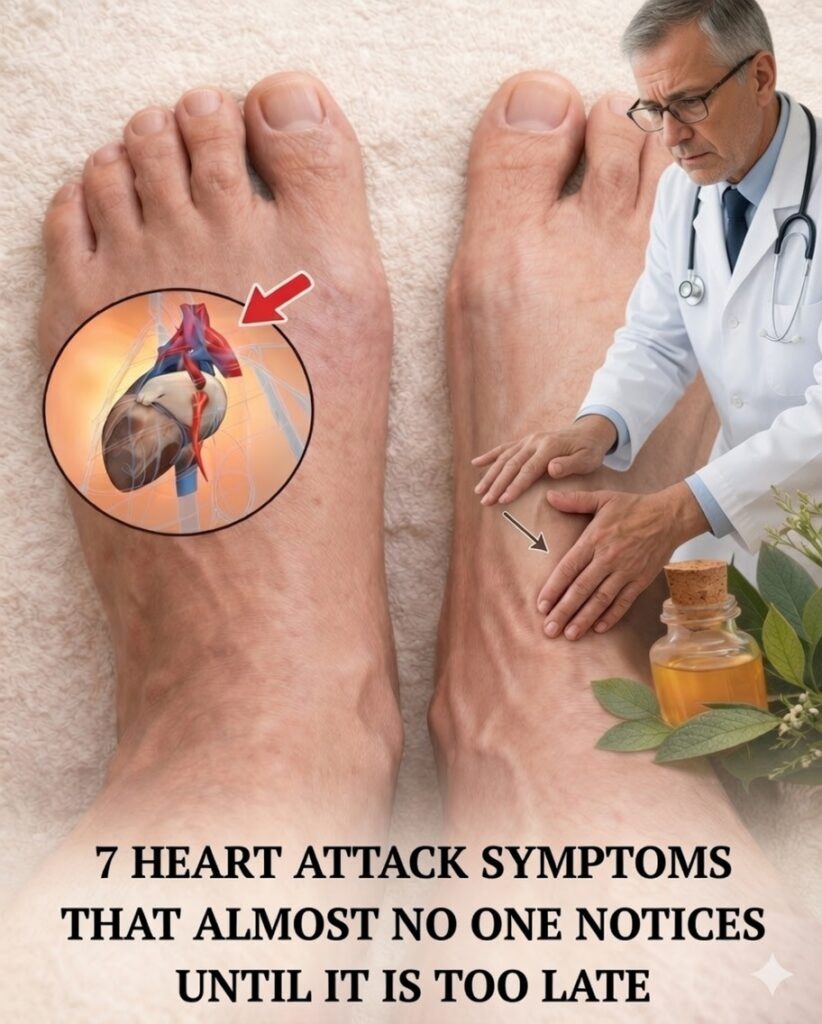
Persistent swelling in the lower legs, ankles, or feet may suggest the heart isn’t pumping efficiently.
When circulation is impaired, fluid can build up in the lower body. Swelling has many possible causes, but if it appears suddenly or worsens alongside other symptoms, it deserves prompt medical attention.
Heart Attack Symptoms in Men vs. Women
Heart attack warning signs can look different in men and women, and recognizing these differences can lead to faster action.
Common in both men and women:
- Chest pressure or discomfort
- Shortness of breath
- Pain radiating to the arms, neck, jaw, or back
More common in women:
- Unusual fatigue
- Nausea or vomiting
- Upper back or jaw discomfort
- Dizziness
- Sleep disturbances
More classic in men:
- Strong, intense chest pain
- Pain spreading down the left arm
What to Do If You Notice These Signs
If any of these symptoms appear suddenly, persist, or worsen:
- Stop what you’re doing and pay close attention to what you’re feeling.
- Get medical help immediately if symptoms last more than a few minutes or intensify.
- Do not drive yourself to the hospital—ask someone for help or call emergency services.
- Know your heart attack risk factors, including high blood pressure, high cholesterol, diabetes, smoking, and family history.
Habits That Can Lower Heart Attack Risk
Healthy lifestyle choices can significantly reduce your risk over time:
- Exercise regularly
- Eat a balanced, heart-healthy diet
- Manage stress
- Monitor blood pressure and cholesterol
- Avoid smoking and limit alcohol intake
Conclusion
Subtle signs like unusual fatigue, shortness of breath, nausea, cold sweats, dizziness, or mild chest pressure may be your body’s way of asking for help. Dismissing them can cost valuable time. Listening to your body and acting quickly can quite literally save your life.
Protecting your heart every day is one of the most important choices you can make for a longer, healthier future.
Frequently Asked Questions
What are the earliest quiet signs of a heart attack?
Severe unexplained fatigue, shortness of breath with little effort, mild chest pressure, nausea, cold sweats, and unexplained dizziness can appear days or weeks beforehand.
Are heart attack symptoms different in women?
Yes. Women are more likely to experience less obvious symptoms such as unusual tiredness, nausea, back or jaw discomfort, dizziness, and shortness of breath.
Can you have a heart attack without chest pain?
Yes. Many heart attacks—especially in women, older adults, and people with diabetes—may occur without intense chest pain and instead present with subtler symptoms.
Disclaimer: This content is for informational purposes only and does not replace professional medical advice. If you suspect heart-related symptoms, seek qualified medical care immediately.