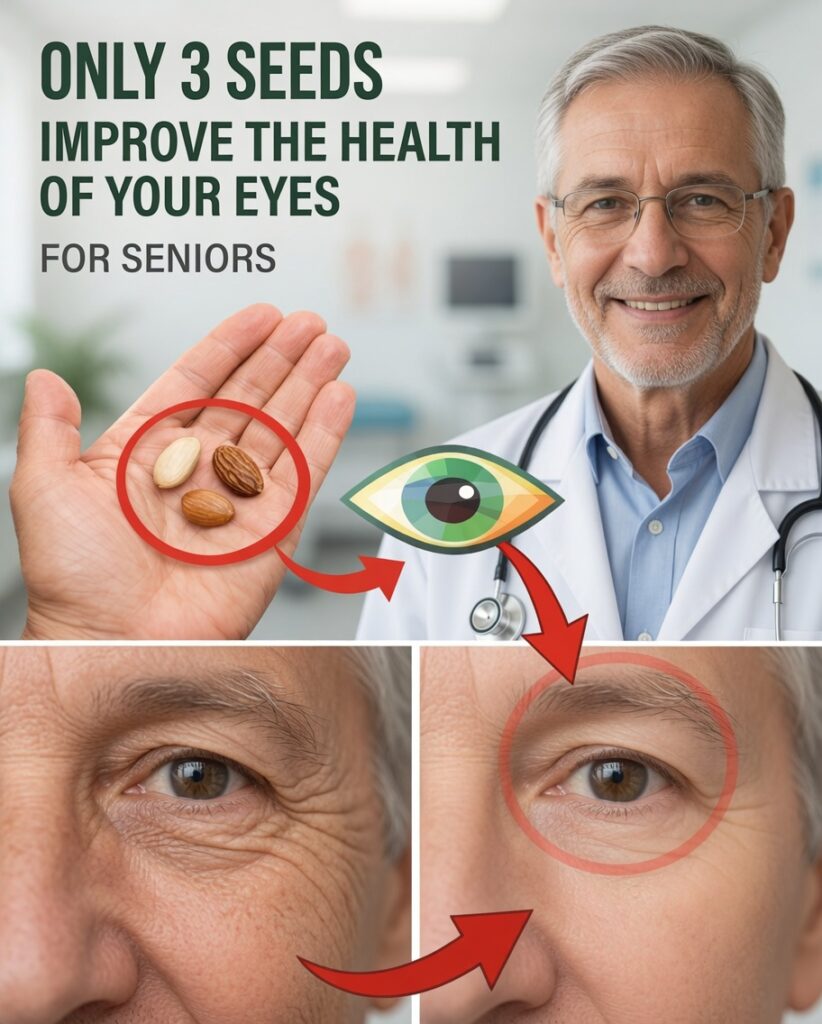
Over 50 and Dealing With Dry, Tired Eyes? These 3 Everyday Seeds May Help Support Eye Comfort Naturally
After 50, many people notice an annoying pattern by the end of the day: dry eyes, eye strain, light sensitivity, or trouble reading for long periods. Simple tasks—reading a book, scrolling on a phone, or driving at night—can start to feel uncomfortable. While eye drops may provide short-term relief, the feeling of ocular fatigue often returns.
What if a small, consistent nutrition habit could help support eye health naturally?
Research suggests that certain nutrients found in common foods may help protect the eyes from oxidative stress and low-grade inflammation—two factors that can affect the retina as we age. The good news: three affordable, widely available seeds can contribute to that support when used correctly. Preparation matters, too, because it can significantly improve nutrient absorption.
Keep reading to learn how a simple daily routine may help your eyes feel more comfortable over time.
Why Eye Comfort Matters More After Age 50
As the years pass, the retina—the light-sensitive tissue at the back of the eye—can become more vulnerable to oxidative damage and ongoing mild inflammation. These changes are often linked with common complaints such as:
- Eye dryness
- Visual fatigue (eye strain)
- Temporarily blurry vision
- Increased sensitivity to light
Key nutrients such as plant-based omega-3 (ALA), vitamin E, and antioxidants may help protect delicate eye tissues and support healthy retinal function. Adding these nutrients through everyday meals can be a practical way to complement regular eye exams and an overall eye-friendly lifestyle.
The 3 Simple Seeds That Can Support Eye Health
These seeds aren’t exotic or expensive—they’re easy to find and surprisingly nutrient-dense.
1. Chia Seeds: Hydration Support and Plant Omega-3
Chia seeds provide ALA omega-3 and soluble fiber. Omega-3 fats are associated with supporting balanced inflammatory processes and may help with tear film stability, which is important for reducing the sensation of dry eyes.
Another benefit: when soaked, chia forms a gel-like texture that can support overall hydration, especially when paired with adequate water intake.
2. Flaxseeds: Anti-Inflammatory and Antioxidant Support
Flaxseed is one of the richest plant sources of ALA omega-3, and it also contains lignans, natural compounds linked to antioxidant and anti-inflammatory properties. These nutrients may help protect cells from oxidative damage—including sensitive tissues like the retina.
Important note: flaxseed should be eaten ground, because whole seeds often pass through digestion without releasing their full nutrient content.
3. Sunflower Seeds: Vitamin E for Antioxidant Protection
Sunflower seeds are especially known for their high vitamin E content. Vitamin E is a powerful antioxidant that helps protect cells from damage caused by free radicals.
For eye health, vitamin E may support protection of the retina against oxidative stress. For the best results, choose unsalted, minimally processed sunflower seeds to avoid excess sodium.
The “Secret”: How to Prepare These Seeds Correctly
It’s not only what you eat—it’s how you prepare it. Use these simple steps to get more benefit from chia, flax, and sunflower seeds.
Step-by-step
-
Start small
- Begin with about 1 teaspoon of each seed per day.
-
Prepare each seed the right way
- Chia: soak in water, milk, or yogurt for at least 20 minutes (or overnight).
- Flaxseed: grind right before eating, or buy ground flax and store it in the refrigerator.
- Sunflower: pick raw and unsalted seeds; light toasting is optional.
-
Add them to everyday meals
- Yogurt
- Oatmeal
- Salads
- Smoothies
- Breakfast cereals
-
Be consistent
- Many people report subtle changes after 4 to 6 weeks of regular use.
-
Drink enough water
- These seeds are fiber-rich and tend to work best when you’re well hydrated.
What Benefits Some People May Notice Over Time
With steady use, some individuals report:
- Less dryness upon waking
- Reduced eye fatigue later in the day
- Better comfort during screen time
- A greater sense of “daily care” for overall wellness
These changes are typically gradual and support the body’s natural processes—this isn’t an instant fix.
A Simple Daily Routine to Try
- Breakfast: oatmeal with soaked chia + ground flaxseed
- Snack: a small handful of unsalted sunflower seeds
- Lunch or dinner: a salad topped with a light mix of all three seeds
For even better results, combine this habit with:
- The 20-20-20 rule during screen use (every 20 minutes, look 20 feet away for 20 seconds)
- A diet rich in leafy greens and colorful vegetables
Conclusion
Adding chia seeds, flaxseeds, and sunflower seeds to your daily diet is an easy, natural way to include eye-supporting nutrients such as plant omega-3, vitamin E, and antioxidants. When prepared correctly and used consistently, these seeds may help promote greater eye comfort and support retinal health as you age.
Small daily habits can create meaningful changes over time.
Frequently Asked Questions
1) Are these seeds safe for people over 50?
In general, yes. However, if you take blood thinners or have digestive conditions, it’s best to speak with a healthcare professional before increasing seed intake.
2) How long does it take to notice a difference?
Some people report subtle improvements in 4 to 6 weeks, depending on diet, hydration, screen exposure, and lifestyle.
3) Can people with diabetes eat these seeds?
Often, yes. Their fiber and healthy fats may even support blood sugar management, but individual guidance from a clinician is recommended.
Important Notice
This article is for informational purposes only and does not replace medical advice. Always consult a doctor or eye care professional before making significant dietary changes—especially if you have medical conditions or take medications. Results can vary from person to person.