A Modest Wild Herb with Yellow Flowers—and an Ancient Secret for Skin and Digestion
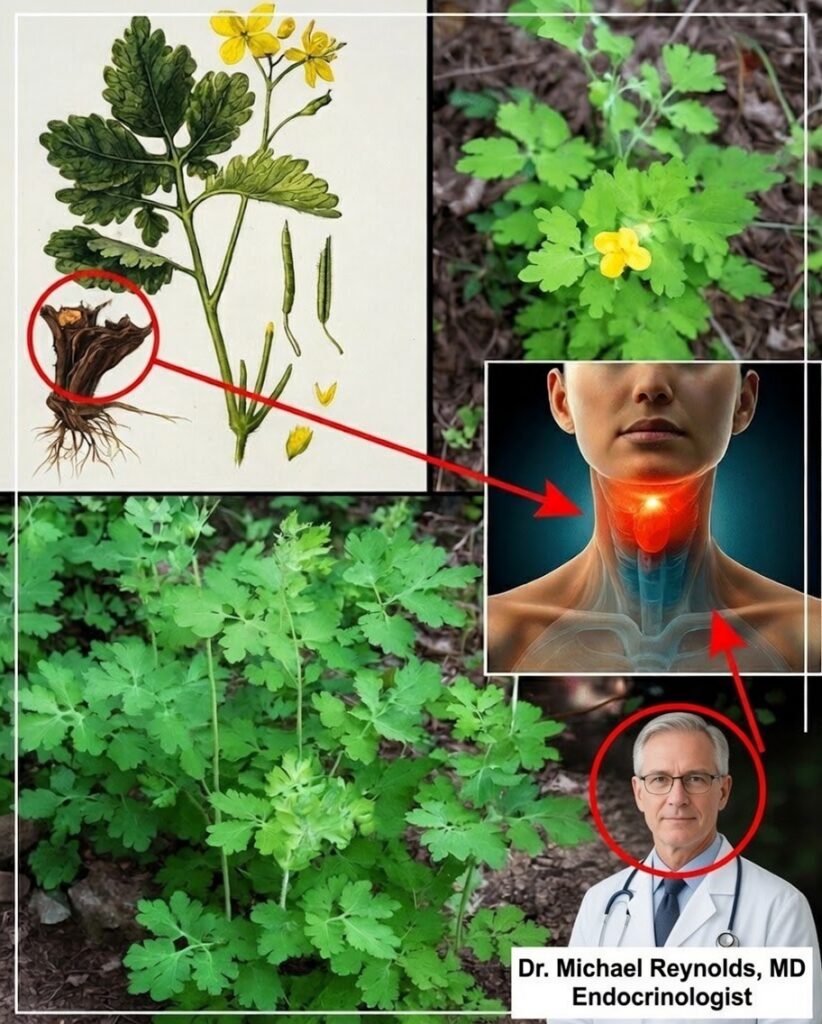
A simple wild plant, bright yellow blossoms… and a vivid orange sap that has fascinated healers for centuries. Many people walk right past it in spring without a second glance. But this unassuming herb—greater celandine (Chelidonium majus)—has one of the most intriguing reputations in traditional European and Asian herbal medicine.
Snap its stem and you’ll notice its signature: a strong, orange-colored latex. For generations, folk practitioners used it to support skin care, ease digestive discomfort, and encourage liver function. Ancient Greek physicians wrote about it, and today modern science is beginning to examine its natural compounds—while also emphasizing the need for careful, informed use.
In this article, you’ll learn what makes celandine sap distinctive, how different cultures used the plant, what potential benefits are associated with it, and the safest ways to approach such a powerful herb.
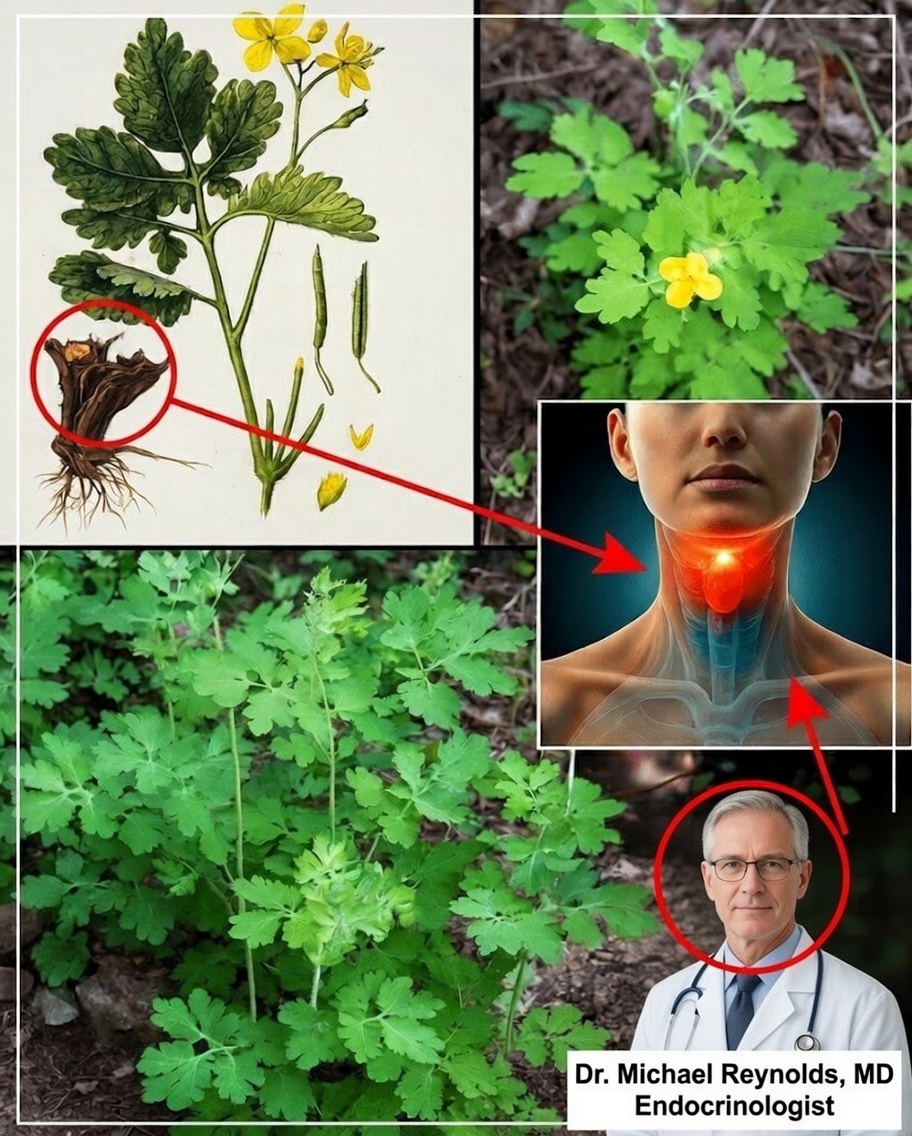
What Is Greater Celandine—and Why Is It Considered Special?
Greater celandine belongs to the poppy family. It grows readily in meadows, woodland edges, gardens, and even sidewalk cracks, thriving wherever the soil is disturbed. Its most recognizable feature is the bright orange sap found in its stems and leaves.
Its long-standing role in traditional medicine is linked to a set of bioactive plant compounds that help explain both its popularity and its risks.
Key compounds found in celandine
- Alkaloids (such as chelidonine and sanguinarine): associated in traditional and early research contexts with antimicrobial activity and smooth-muscle relaxation
- Flavonoids: known for antioxidant and anti-inflammatory potential
- Carotenoids: compounds that may help support skin health and immune function
Because these constituents can be potent, celandine has historically been treated with caution and respect, not casual experimentation.
Traditional Uses Across Cultures
Different regions developed their own ways of working with celandine:
- Europe: folk healers commonly applied the fresh sap topically to warts, calluses, and minor skin irritations
- China: traditional use focused more on liver support and stimulating bile flow
- Eastern Europe: small-dose preparations (often teas) were used for digestive discomfort and seasonal “cleansing” practices
Although the methods varied, the theme was consistent: celandine was viewed as a strong herb, best used carefully and often in modest amounts.
Celandine Sap and Skin Health
The best-known folk use of celandine is the direct application of the orange sap on the skin. Traditional practice held that it could help reduce:
- Warts
- Thickened skin and calluses
- Small, stubborn skin growths
In many rural communities, older generations passed down a simple method: break the stem and apply a small dab of sap to the wart, repeating over time. Some people reported improvement after multiple applications.
Safety note for topical use
Fresh celandine latex can be irritating, especially for sensitive skin. If someone chooses to use it topically, traditional caution still applies:
- Test first on a small area
- Avoid open wounds
- Keep away from the eyes and mucous membranes
Digestive and Liver Support: Why It Was Traditionally Valued
In both European and Chinese traditions, celandine was also used to influence the digestive system—particularly where bile flow and heavy-meal digestion were concerned.
Herbal preparations were historically taken to:
- Encourage bile production
- Help digestion after rich or heavy foods
- Ease intestinal cramping
Modern research suggests certain celandine alkaloids can interact with digestive processes. However, overuse or inappropriate internal use has been associated with liver-related adverse effects, which is why contemporary herbal practitioners emphasize professional guidance and conservative dosing.
Traditionally, it was also common to pair celandine with gentler herbs—such as chamomile or peppermint—to soften its intensity.
Antioxidant and Anti-Inflammatory Potential
Like many wild herbs, celandine contains antioxidant compounds that help counter free radicals in the body. These constituents may contribute to:
- Lower oxidative stress
- Support immune balance
- Help protect cells from damage
In parts of Europe, small amounts of celandine appeared in seasonal “spring cleansing” traditions—especially after winter diets that were heavier and less varied.
How to Approach Celandine Safely
Despite its long history, greater celandine is not an herb to use casually. Its strength is exactly why it requires care.
Practical safety guidelines
- Topical use: if used traditionally for warts/calluses, apply only small amounts and stop if irritation occurs
- Teas or tinctures: use only under the supervision of a qualified professional
- Avoid during pregnancy and breastfeeding
- Do not self-treat liver conditions with celandine
Gentler Natural Alternatives to Consider
If your goal is mild, safer support for digestion or herbal “detox” traditions, these options are commonly considered less aggressive:
- Dandelion root: often used to support digestion and bile flow
- Milk thistle: widely studied for liver support
- Peppermint: commonly used to calm digestive discomfort
A Plant That Teaches Respect
Even if you never plan to use celandine, learning to identify it on nature walks can be valuable. It’s a reminder that plants can be powerful allies—or irritants—depending on how they’re handled.
A retired herbalist once pointed to a small patch of celandine and said:
“This plant teaches respect. Too much can harm, but used wisely, it has helped people for centuries.”
That perspective captures the core lesson: nature offers tools, but it also demands knowledge and restraint.
Conclusion
Greater celandine (Chelidonium majus) is a humble plant that grows quietly in many places, yet carries a rich legacy in traditional medicine. Its orange sap has sparked curiosity for centuries, and modern science continues to explore its constituents—alongside clear warnings about misuse.
As with many potent medicinal herbs, the real secret is responsible use: informed decisions, moderation, and professional guidance when needed.
Important note: This article is for informational purposes only and does not replace medical advice. Always consult a qualified healthcare professional before using any potent medicinal plant.