Pigweed: The “Weed” That Can Support Digestion, Heart Health, and Energy
A simple plant that often grows on its own can do far more than people expect—support digestion, nourish the heart, and help restore energy. That surprising natural secret is pigweed.
Have you ever pulled a random weed from your garden without a second thought? Many people do, especially when pigweed pops up between vegetables. It’s often seen as an annoying intruder that steals space, water, and nutrients from cultivated crops. But what if this so-called “weed” is actually a highly nutritious food and a powerful, natural ally for overall wellness?
Scientifically known as Amaranthus, pigweed has been eaten for centuries across the world. Communities in South America, Africa, and Asia have traditionally used its leaves, seeds, and stems both as food and in folk remedies. Yet many people still discard it—without realizing they’re overlooking a plant rich in vitamins, minerals, and antioxidants.
Packed with essential nutrients, pigweed may help strengthen the body, support cardiovascular health, improve digestion, and contribute to lowering inflammation. Read on to learn why this humble plant could become a valuable addition to your everyday diet.
What Is Pigweed?
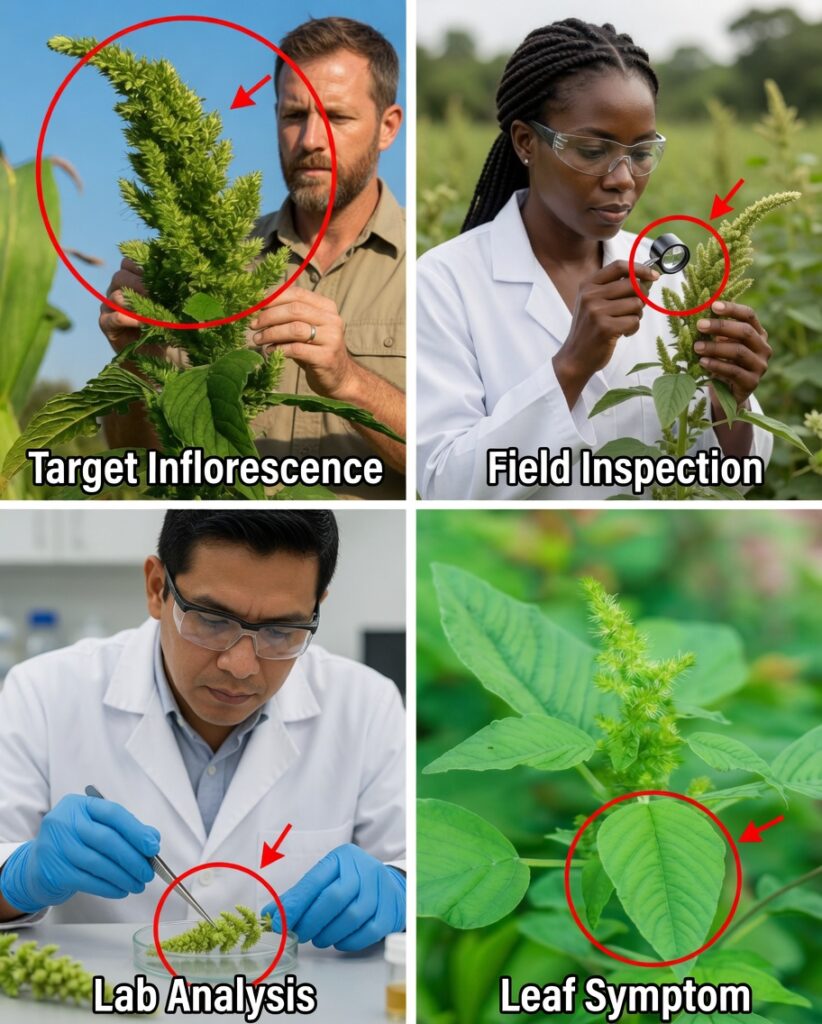
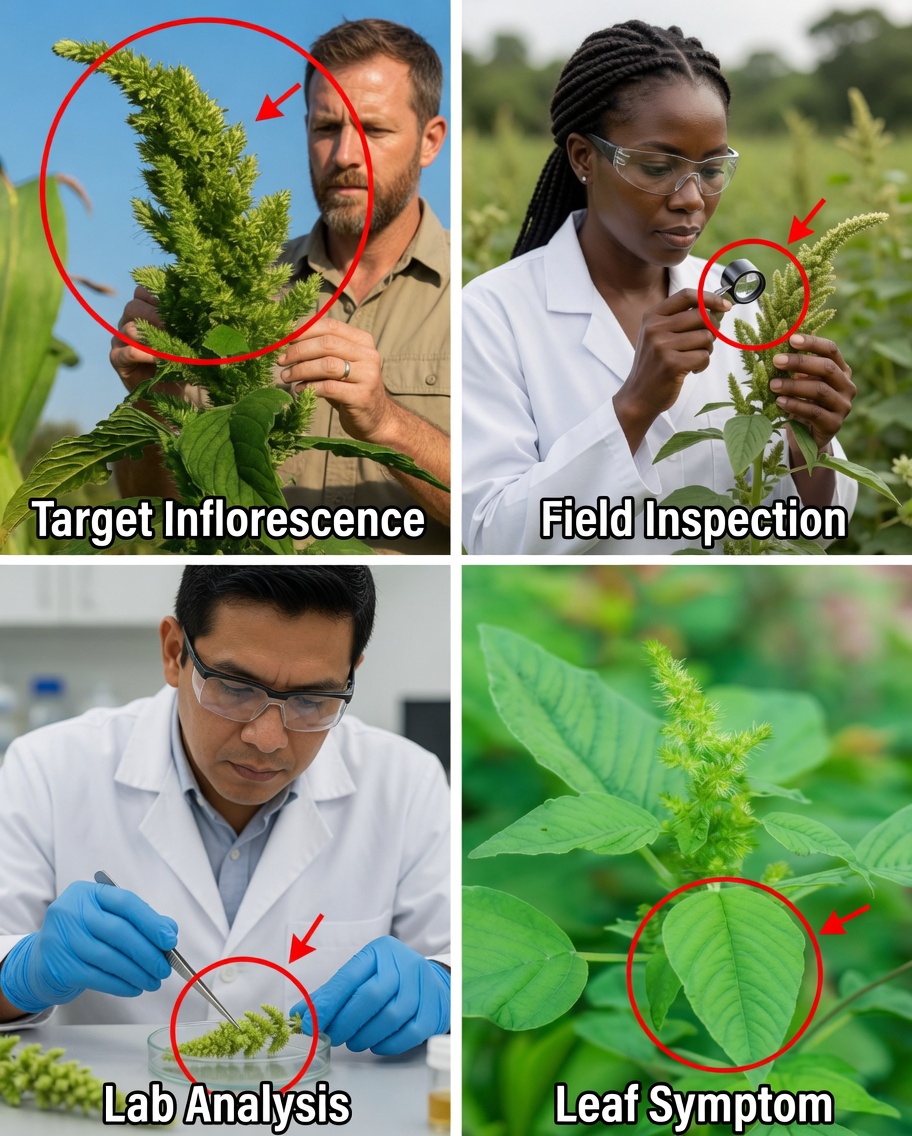
“Pigweed” is a common name for several species within the Amaranthus genus. In many regions it grows naturally in fields, gardens, and open land. While it’s labeled invasive in some places, elsewhere it is intentionally grown as a leafy vegetable and also harvested as a nutrient-dense grain.
Common Pigweed (Amaranth) Varieties
- Amaranthus retroflexus — widely found in North America
- Amaranthus viridis — commonly used in parts of Asia and Africa
- Amaranthus cruentus — cultivated in multiple countries for both leaves and seeds
Leaf Nutrition (Per 100 g)
Pigweed leaves provide impressive nutrition, including:
- Vitamin A: ~2,900 IU — supports vision and immune function
- Vitamin C: 43 mg — a strong antioxidant
- Calcium: 215 mg — important for bones and teeth
- Iron: 2.3 mg — helps oxygen transport and energy production
- Protein: 4.2 g — supports muscle repair and recovery
Notably, pigweed can offer more calcium than milk and more iron than spinach, while also contributing meaningful plant-based protein.
1) A Practical Superfood for Everyday Nutrition
Young pigweed leaves are tender and flavorful, and they can be cooked much like spinach. In many traditional cuisines they’re sautéed, added to soups, or mixed into vegetable dishes.
In some rural areas of India, for instance, families rely on pigweed as a regular rainy-season green. Many people report feeling more energized and recovering more easily after physical effort when it’s part of their routine meals.
Simple kitchen tip:
- Sauté young leaves with garlic and olive oil, then add to omelets or stir into lentil soup.
2) The Seeds: An Ancient, Nutrient-Rich Grain
Pigweed also produces tiny seeds known as amaranth, a grain valued since the time of the Aztecs. Amaranth is often recognized for being a complete plant protein, meaning it contains all essential amino acids.
Benefits of Amaranth Seeds
- Provide all essential amino acids
- High in fiber, supporting healthy digestion
- Offer minerals such as magnesium and iron
- Contain plant compounds that may help support healthy cholesterol levels
How to Use the Seeds
- Cook them like quinoa
- Pop them like tiny popcorn
- Grind into flour for breads, pancakes, and other baking
3) Traditional Uses in Natural Medicine
For generations, pigweed has also held a place in folk and traditional wellness practices.
- Digestive support: leaf tea used for mild stomach discomfort
- Soothing and anti-inflammatory use: poultices applied to minor skin irritation
- Blood and vitality support: iron content valued in diets aimed at fighting weakness
- Cooling herb tradition: in Ayurveda, it’s often described as helping reduce excess “heat” in the body
In some African communities, cooked pigweed leaves are offered to children recovering from illness to help restore appetite and strength.
4) What Modern Research Suggests
Recent scientific interest in amaranth points to several potential benefits:
- May help support healthy cholesterol
- Demonstrates antioxidant activity
- Offers a naturally gluten-free option for people sensitive to wheat
For these reasons, athletes and health-focused eaters in various Latin American countries often choose amaranth-based foods for steady, sustainable energy.
5) How to Harvest and Prepare Pigweed Safely
Pigweed typically thrives during warmer months.
Harvest Tips
- Choose young leaves for the best texture
- Wash thoroughly to remove dirt and debris
- Avoid harvesting near roadsides or areas exposed to pesticides
Easy Ways to Cook It
- Sauté with onion, garlic, and chili
- Add to a hearty lentil-and-vegetable soup
- Build a grain bowl with amaranth seeds and roasted vegetables
Absorption tip: To improve iron uptake, pair pigweed with vitamin C–rich foods such as lemon or tomatoes.
Conclusion
We often label something a “weed” simply because we don’t recognize its value. Pigweed is a perfect example. This modest plant can provide dense nutrition, an ancient protein-rich grain, and a long history of traditional wellness uses.
Next time you spot pigweed in the garden, it may be worth seeing it differently. Instead of tossing it out, you might be looking at a simple, natural superfood with surprisingly powerful benefits.
Important note: This article is for informational purposes only. Before using wild plants therapeutically or making major dietary changes, seek guidance from a qualified healthcare professional.