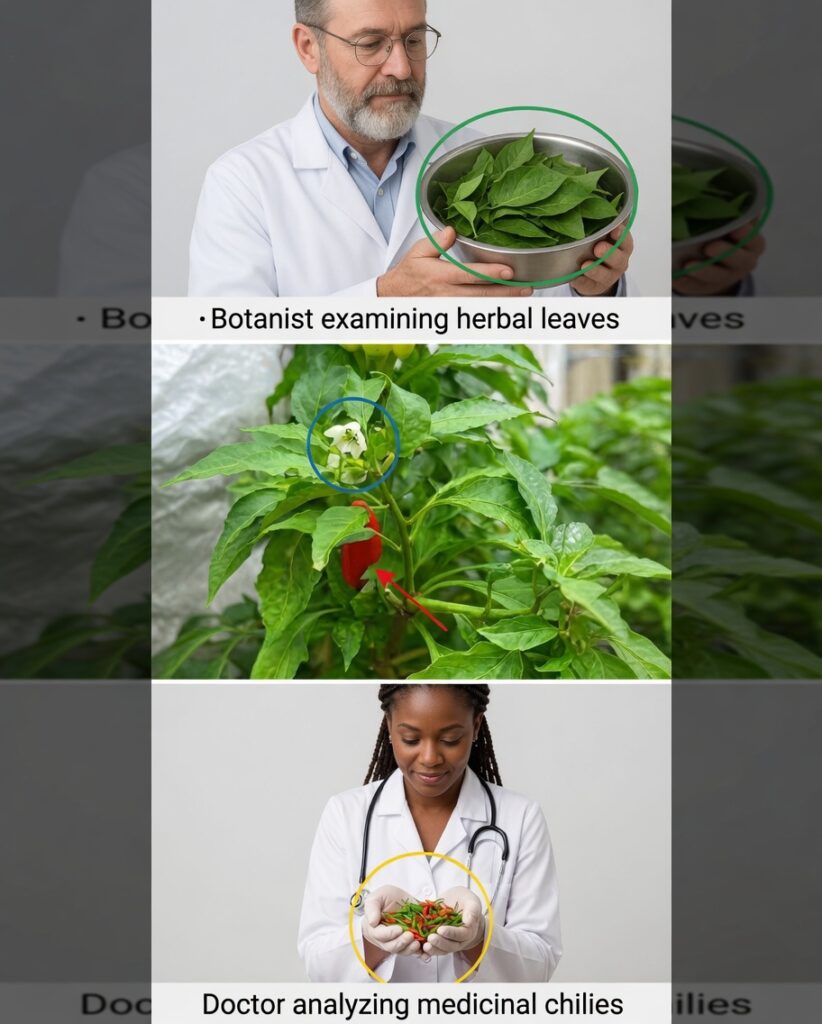
A simple tea made from pepper leaves can support digestion and ease mild respiratory discomfort. Have you heard about this natural, time-tested remedy?
When most people think of peppers, they picture the fiery heat of the fruits that spice up dishes worldwide. Yet the leaves of the pepper plant are often overlooked—discarded as garden waste even though they can be surprisingly nutritious and traditionally valued for wellness. Across parts of Asia, Africa, and Latin America, pepper leaves have long been used in everyday cooking and home remedies, appearing in soups, stews, herbal infusions, and folk preparations.
Research and traditional knowledge point to pepper leaves as a source of vitamins A, C, and E, along with calcium, iron, and antioxidant compounds. While pepper fruits dominate the culinary spotlight, the leaves carry gentler qualities that many communities have relied on for generations—especially for seasonal coughs, colds, joint aches, and digestive complaints.
In this article, you’ll learn why pepper leaves (Capsicum leaves) deserve more attention: what they contain, how different cultures use them, what modern science suggests about their potential benefits, and easy ways to add them to your routine.
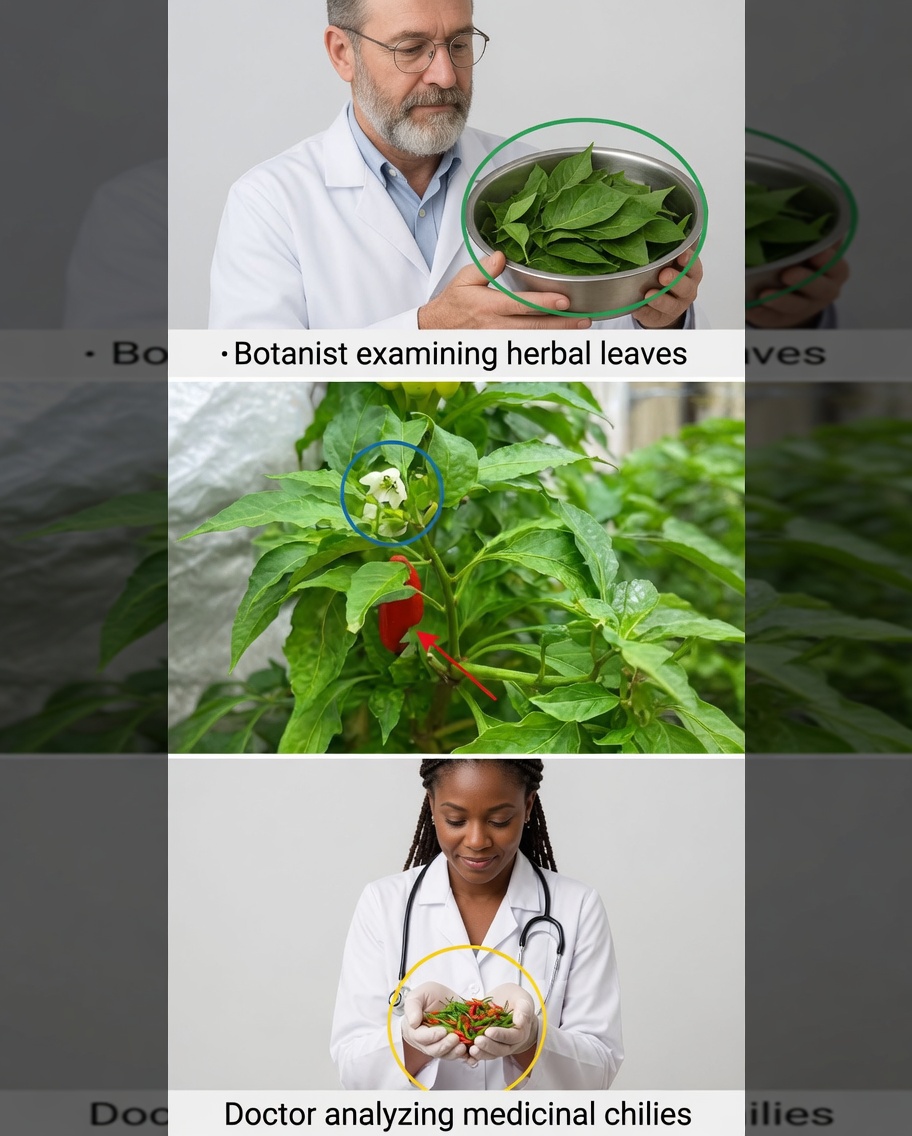
What Makes Pepper Leaves Unique?
Pepper leaves (from Capsicum annuum and related species) are edible, mild-tasting, and flexible in cooking. Unlike the fruit, the leaves contain little to no capsaicin—the compound responsible for the burning sensation. Their value lies mainly in their nutrient density and their role in traditional wellness practices.
Key Nutrients Found in Pepper Leaves
Pepper leaves may provide a helpful mix of:
- Vitamin A: supports eye health and skin repair
- Vitamin C: contributes to immune function and collagen production
- Vitamin E: an antioxidant that helps protect cells from damage
- Calcium: essential for maintaining strong bones and teeth
- Iron: supports oxygen transport in the blood and energy metabolism
- Polyphenols: antioxidant plant compounds associated with anti-inflammatory activity
Together, these nutrients make pepper leaves a simple, natural way to add extra micronutrients and protective compounds to everyday meals.
Traditional Uses Around the World
Asia
In the Philippines, pepper leaves—known as dahon ng sili—are commonly added to tinola, a comforting chicken soup traditionally eaten to help restore strength and support the body during colds.
Latin America
In rural areas of Mexico, pepper leaves may be used in broths and teas. Many elders recommend these preparations for stomach discomfort or seasonal coughs.
Africa
In certain African communities, pepper leaves are used in herbal infusions and traditional tonics, sometimes associated with easing joint stiffness and supporting general vitality.
These long-standing practices highlight how everyday garden plants can hold cultural importance as both food and folk medicine.
6 Potential Benefits of Pepper Leaves
1. Immune Support
Because they contain vitamin C and antioxidants, pepper leaves may help the body’s natural defenses—especially during times when seasonal illness is common. A warm pepper leaf tea is a popular home approach in colder months.
2. Respiratory Comfort
In folk medicine, pepper leaf infusions are used to soothe coughing and support clearer breathing. They are not a replacement for medical care, but they may offer gentle comfort for minor symptoms.
3. Digestive Help
With fiber and polyphenols, pepper leaves are often viewed as supportive for digestion. In some cultures, light soups with pepper leaves are served to children and older adults because they are considered easy on the stomach.
4. Muscles and Joint Support
Traditional healers in some regions use crushed leaf poultices applied to sore muscles or swollen joints, aiming to calm discomfort and reduce inflammation.
5. Bone and Blood Health
Thanks to calcium and iron, pepper leaves may contribute to bone strength and healthy blood function—nutritional areas that become increasingly important with age.
6. Antioxidant Protection
Their polyphenols help counter oxidative stress, a process linked to cellular aging and several chronic health conditions.
How to Use Pepper Leaves Safely
Culinary Ideas
Try incorporating pepper leaves in simple, familiar ways:
- Soups and stews: add fresh leaves in the final minutes of cooking
- Stir-fries: sauté with garlic, onion, or ginger for a mild, leafy side dish
- Smoothies: blend small amounts for an extra nutrient boost (start with a little for taste)
Natural Preparations
Common traditional preparations include:
- Tea/infusion: steep fresh or dried leaves in hot water for 5–10 minutes
- Poultice: crush fresh leaves, wrap in a clean cloth, and apply to the affected area
Safety Tips
- Wash thoroughly before eating or brewing.
- Keep intake moderate, especially if you’re new to using pepper leaves.
- If you are pregnant, breastfeeding, or managing a medical condition, consult a qualified healthcare professional before regular use.
A Bridge Between Tradition and Modern Wellness
In many places, pepper leaves remain part of daily life—both as food and as a gentle, natural remedy. They are a practical example of how traditional wisdom can align with modern nutrition.
While pepper fruits are famous for their heat, the leaves offer something different: mild nourishment, soothing traditional uses, and a heritage of plant-based wellness passed down through generations.
Sometimes, what looks like an ordinary garden leaf can be a simple way to diversify your diet and support everyday well-being—naturally.
Disclaimer
This article is for informational purposes only and does not replace professional medical advice. Always consult a qualified healthcare professional before using plants or herbs as treatment.