Moringa: The “Green Gold” Leaf That May Boost Energy and Immunity
If you’re dealing with constant fatigue or frequently getting sick, the support you’re looking for might come from a simple green leaf: moringa. This plant has become increasingly popular worldwide for one reason—its impressive nutrient density.
Have you ever walked past a tree in a backyard or on the street and assumed it was just another ordinary plant? Now imagine learning that the very same tree is often described as one of the most nutrient-rich foods on Earth.
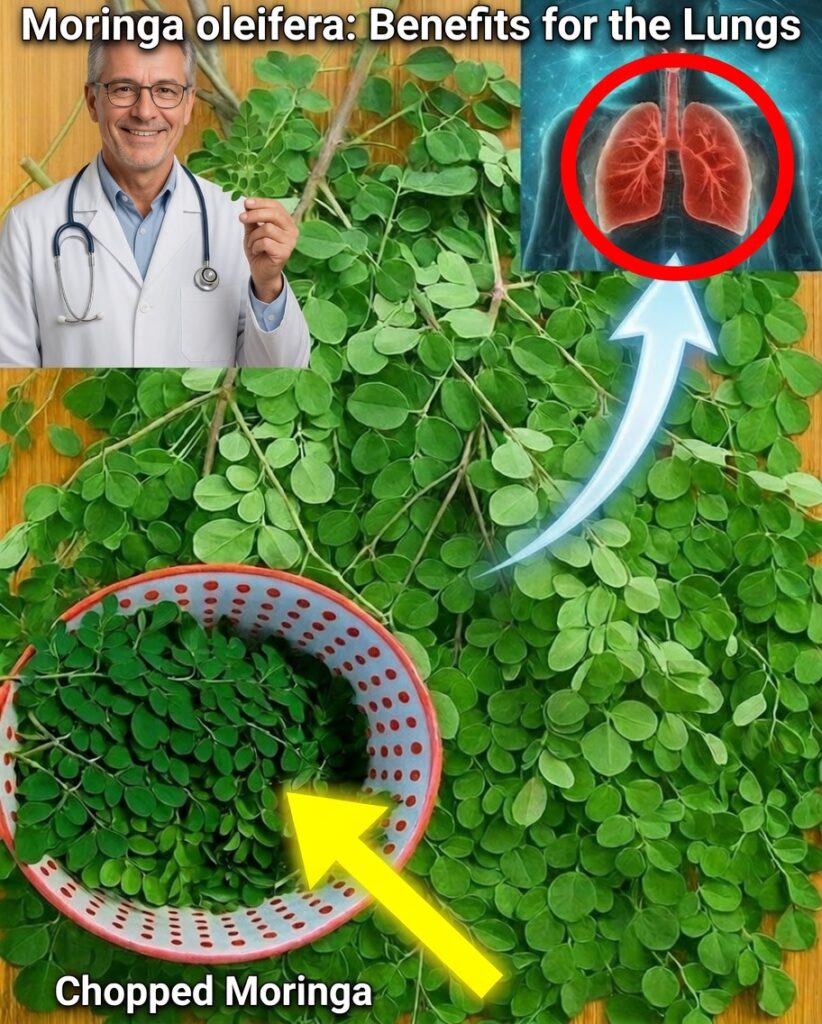
That’s the story of Moringa oleifera, widely known as the “miracle tree” or “tree of life.” Its small green leaves may look unremarkable, but they contain a concentrated package of vitamins, minerals, protein, and antioxidants that many people still overlook.
Nutritional research frequently highlights moringa leaves for having very high levels of vitamin C, calcium, and potassium compared with common foods. It’s no surprise that moringa has been used for centuries in traditional practices—and is now recognized globally as a natural superfood.
Even so, many people have moringa growing nearby and don’t realize the value sitting right in front of them. From supporting natural energy to helping the immune system, digestion, and even skin vitality, moringa’s potential benefits are hard to ignore.
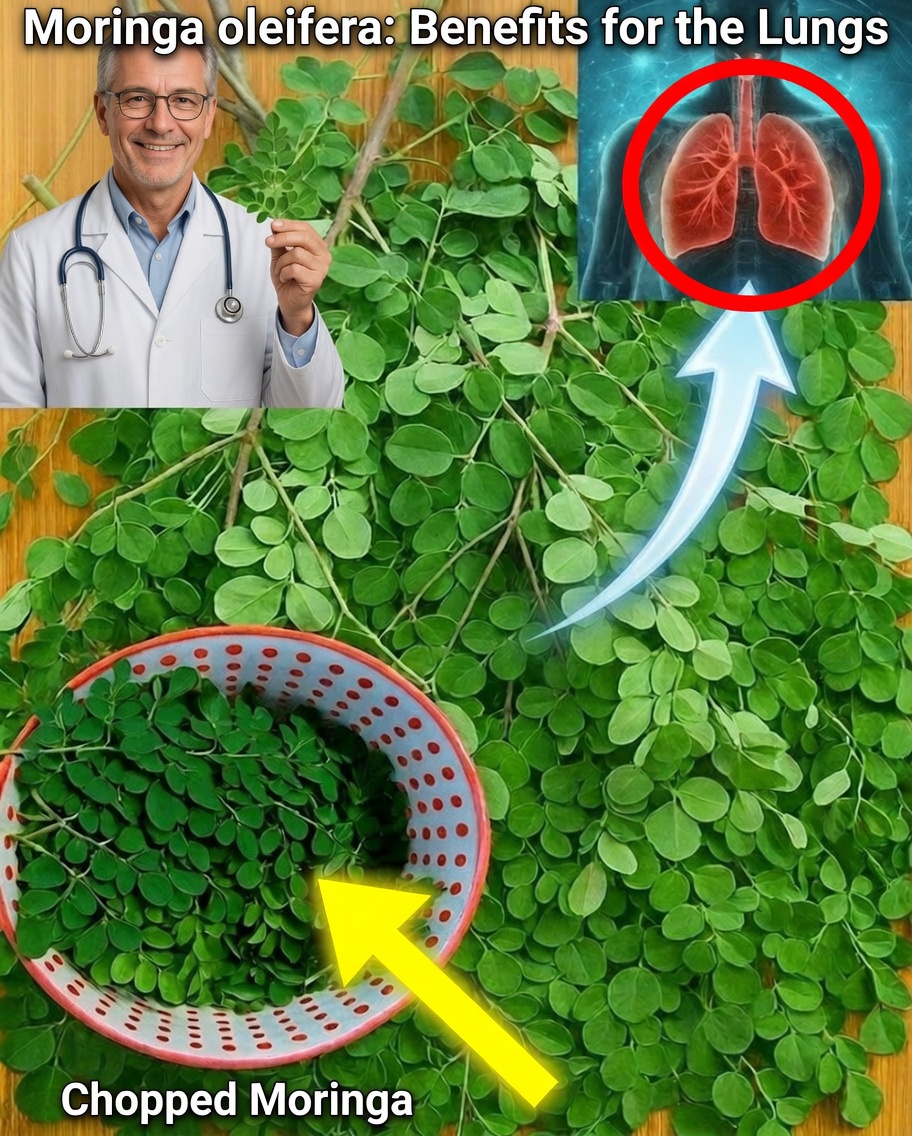
In this guide, you’ll learn why moringa is often called “green gold,” explore its nutrient profile, understand its traditional uses, and discover simple ways to include it in everyday life.
What Makes Moringa So Unique?
Moringa oleifera originated in parts of Africa and South Asia, but today it grows across many tropical and subtropical regions around the world.
One reason moringa stands out is how many parts of the plant can be used:
- Leaves: the most commonly used part, highly nutritious
- Seeds: eaten in some traditions and also used for water purification
- Pods: used in a variety of traditional dishes
- Roots: used in certain traditional practices (with caution, depending on preparation)
Moringa Leaf Nutrition (Approx. per 100 g of Dried Leaves)
While nutrient levels can vary by growing conditions and processing, dried moringa leaves are often noted for containing:
- Vitamin C (~220 mg): supports immune function and antioxidant defense
- Calcium (~440 mg): contributes to healthy bones and teeth
- Potassium (~1300 mg): supports muscle function and heart health
- Iron (~25 mg): helps carry oxygen in the blood
- Protein (~27 g): supports recovery, strength, and daily energy needs
- Antioxidants (high): helps protect cells from oxidative stress
This strong nutrient combination is a key reason moringa is often included in nutrition programs aimed at reducing nutrient deficiencies.
Traditional Uses of Moringa Around the World
Across generations, many cultures have relied on moringa both as food and as a traditional wellness plant:
- Ayurveda (India): moringa is referenced as a natural support for a wide range of wellness goals
- African traditional practices: leaves and seeds have been used to support digestion and stamina
- Philippines: known as malunggay, commonly added to nourishing soups
- Latin America: used as a natural tonic associated with vitality and strength
These long-standing traditions help explain why moringa continues to attract attention globally.
6 Key Benefits of Moringa
1. Supports Immune Health
With its vitamin C and a broad range of antioxidants, moringa may help strengthen the body’s natural defenses.
2. Promotes Natural, Steady Energy
Moringa provides iron, protein, and B vitamins, nutrients commonly linked to more stable daily energy and reduced tiredness when dietary intake is insufficient.
3. Helps Maintain Healthy Digestion
The plant’s natural fiber supports regular bowel function and may ease mild digestive discomfort for some people.
4. Contributes to Bone and Joint Support
With calcium, along with nutrients like magnesium and vitamin K, moringa can be a helpful addition to a bone-supportive diet.
5. Supports Skin and Hair Vitality
Its antioxidant content and vitamin A can support skin renewal and help protect against oxidative stress that affects skin and hair over time.
6. May Help Support Healthy Blood Sugar Balance
Early research suggests moringa may contribute to metabolic balance, including healthier blood sugar responses in some contexts. (This is still an area of ongoing study.)
How to Use Moringa in Everyday Life
Fresh Leaves
- Mix into salads, soups, or stews
- Lightly cook as a simple side dish (similar to other leafy greens)
Moringa Powder
- Add 1–2 teaspoons to smoothies, juices, or yogurt
- Sprinkle over rice, porridge, sauces, or soups for an easy nutrient boost
Moringa Tea
- Steep dried leaves in hot water for 5–10 minutes
- Drink daily for a gentle, plant-based pick-me-up
Seeds and Oil
- In some cultures, seeds are eaten roasted
- Moringa oil is used in cooking and is also popular for skin care
Safety and Precautions
Moringa is generally considered safe when used in moderate amounts, but keep these points in mind:
- Very high intakes may lead to digestive discomfort.
- Pregnant women should consult a healthcare professional before using moringa, especially concentrated forms.
- Choose moringa from trusted, contamination-free sources to avoid quality issues.
Conclusion
Moringa may look like an ordinary backyard tree, but its leaves—and even its seeds—can be packed with valuable nutrients. From immune support and natural energy to skin vitality, it’s a reminder that some of nature’s most powerful resources are closer than we think.
After learning what those small green leaves can offer, you may never look at moringa the same way again.