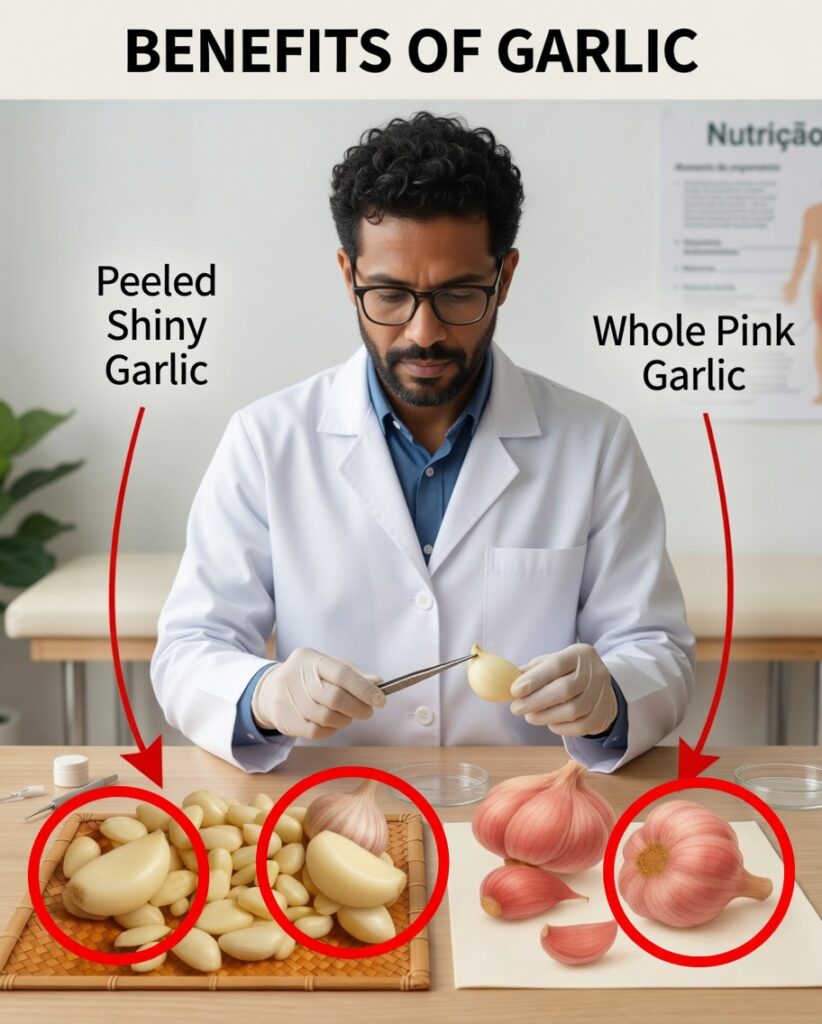
Eating One Garlic Clove a Day: Why Natural Doctors Recommend It
Eating one clove of garlic daily may support lower blood pressure, healthier cholesterol levels, and a stronger immune system. Garlic is far more than a kitchen staple—it’s a time-tested natural remedy with benefits that modern research continues to explore and validate.
Used for thousands of years in traditional medicine, garlic has been valued by ancient civilizations (including Egyptians, Greeks, and Chinese) for promoting strength and helping prevent illness. Today, scientists point to garlic’s bioactive compounds that may help fight infections, calm inflammation, and support multiple systems in the body.
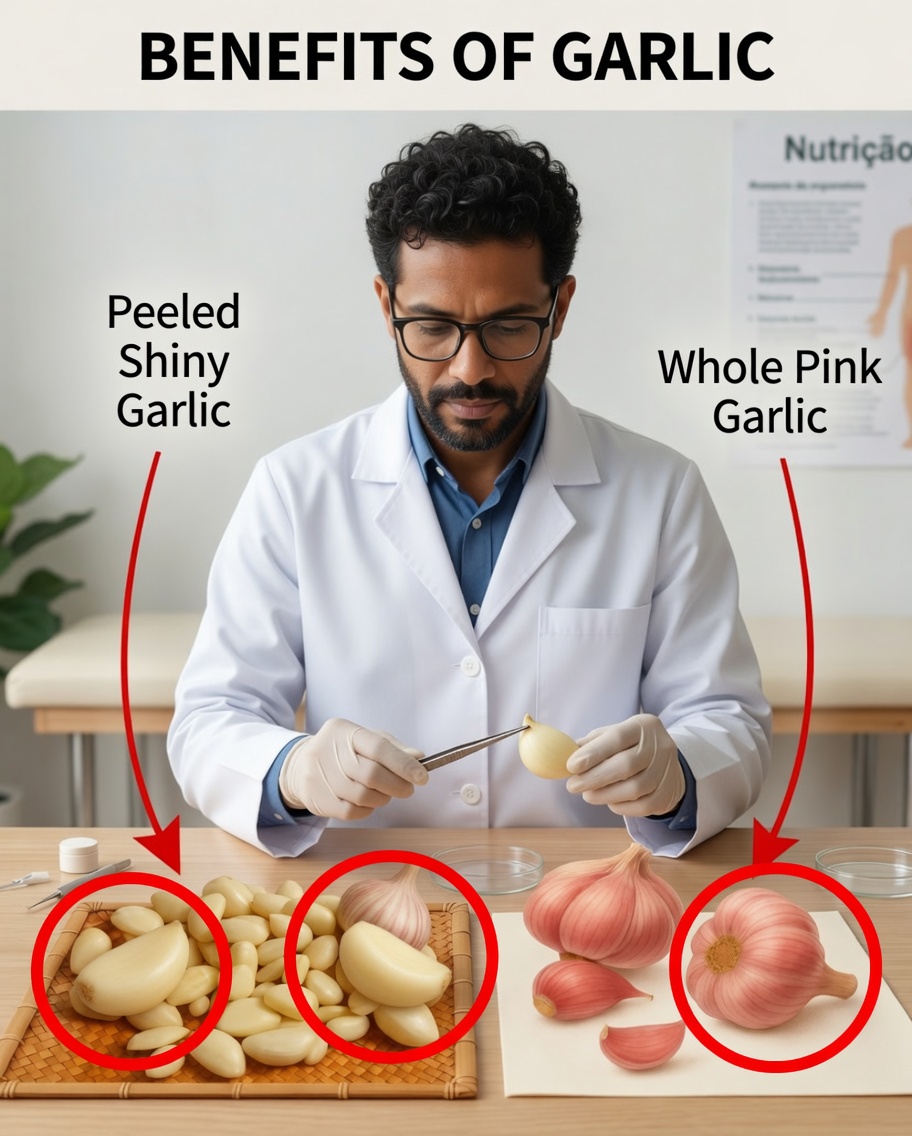
If your goals include better heart health, stronger immunity, and more daily vitality, understanding how garlic works can make a meaningful difference. Below are 11 surprising facts about garlic, plus practical ways to use it.
1) Garlic Produces Allicin — A Natural “Antibiotic-Like” Compound
When garlic is crushed or chopped, it forms allicin, the compound behind its signature smell and many of its wellness effects.
Allicin has been studied for antibacterial, antiviral, and antifungal activity, potentially helping the body respond to common infections such as colds and flu.
- Tip: After chopping garlic, let it rest for about 10 minutes before cooking to allow more allicin to develop.
2) It Helps Protect the Heart
Research suggests that regular garlic intake may support cardiovascular health, including:
- Lowering blood pressure
- Reducing LDL (“bad”) cholesterol
- Increasing HDL (“good”) cholesterol
- Supporting blood circulation
For many people, 1–2 cloves per day is commonly mentioned as a simple routine to support heart wellness.
3) Garlic Can Strengthen the Immune System
Garlic may enhance the activity of the body’s defense cells, helping it respond more effectively to viruses and bacteria.
People who consume garlic regularly often report:
- Fewer cold episodes
- Milder symptoms
- Faster recovery
This is one reason garlic becomes especially popular during colder seasons.
4) It May Play a Role in Cancer Prevention
Some studies associate frequent garlic consumption with a lower risk of certain cancers, including stomach, colon, and prostate cancers.
Garlic’s sulfur-containing compounds may help slow abnormal cell growth and support the body’s natural process of removing damaged cells.
5) Garlic Supports Natural Detox Pathways
Garlic may stimulate liver enzymes involved in clearing unwanted compounds from the body. Its antioxidants also help counter free radicals that can harm cells.
A simple morning drink some people use:
- Crush 1 garlic clove
- Mix it into warm water
- Add a few drops of lemon
- Drink in the morning
6) It May Benefit Brain Health
By supporting circulation and offering anti-inflammatory effects, garlic may contribute to overall brain wellness.
Research suggests it may:
- Help protect against neurodegenerative conditions
- Support memory
- Improve mental clarity
7) Garlic Has Strong Anti-Inflammatory Potential
Chronic inflammation is linked with many health problems, including arthritis, diabetes, and heart disease. Garlic contains compounds that may help reduce inflammatory markers.
- For a stronger effect, some people prefer small amounts of raw garlic, as heat can reduce certain active components.
8) It May Improve Physical Performance
Historically, garlic was given to workers and athletes to boost stamina and reduce fatigue.
Modern studies suggest garlic may help the body use oxygen more efficiently, which could support physical performance.
9) It Supports Digestive Health
Garlic can act as a natural prebiotic, feeding beneficial gut bacteria and helping maintain a balanced microbiome.
Possible benefits include:
- Smoother digestion
- Less bloating
- Better nutrient absorption
10) Garlic May Help with Blood Sugar Control
Some research indicates garlic may improve insulin sensitivity and support healthier blood glucose regulation.
For best results, it’s often paired with a fiber-rich diet, including vegetables, legumes, and whole grains.
11) How You Prepare Garlic Changes Its Benefits
Preparation method matters because it influences garlic’s active compounds.
- Raw: typically highest allicin potential
- Lightly cooked: retains some active compounds
- Overcooked or fried: may reduce benefits
- Aged garlic: often higher in antioxidants
A practical approach: chop, rest for 10 minutes, then cook lightly to preserve more value.
How to Add More Garlic to Your Daily Routine
Easy ways to increase garlic intake include:
- Mixing raw garlic into salad dressings or sauces
- Adding it to soups and vegetables
- Drinking warm water with garlic and lemon in the morning
- Using it in sautés with olive oil
Safety Considerations
Even natural foods can cause issues in excess. Too much garlic may trigger digestive discomfort or bad breath. If you take blood thinners or have specific medical conditions, consult a qualified professional before significantly increasing garlic intake.
Conclusion
Garlic isn’t just a flavorful seasoning—it’s a powerful natural ally for long-term wellness. Its active compounds may support immunity, heart health, brain function, and overall balance in the body.
Making garlic a regular part of your meals is a simple, natural way to invest in better health over time. Small daily habits can add up, and garlic is one of nature’s most impressive examples.