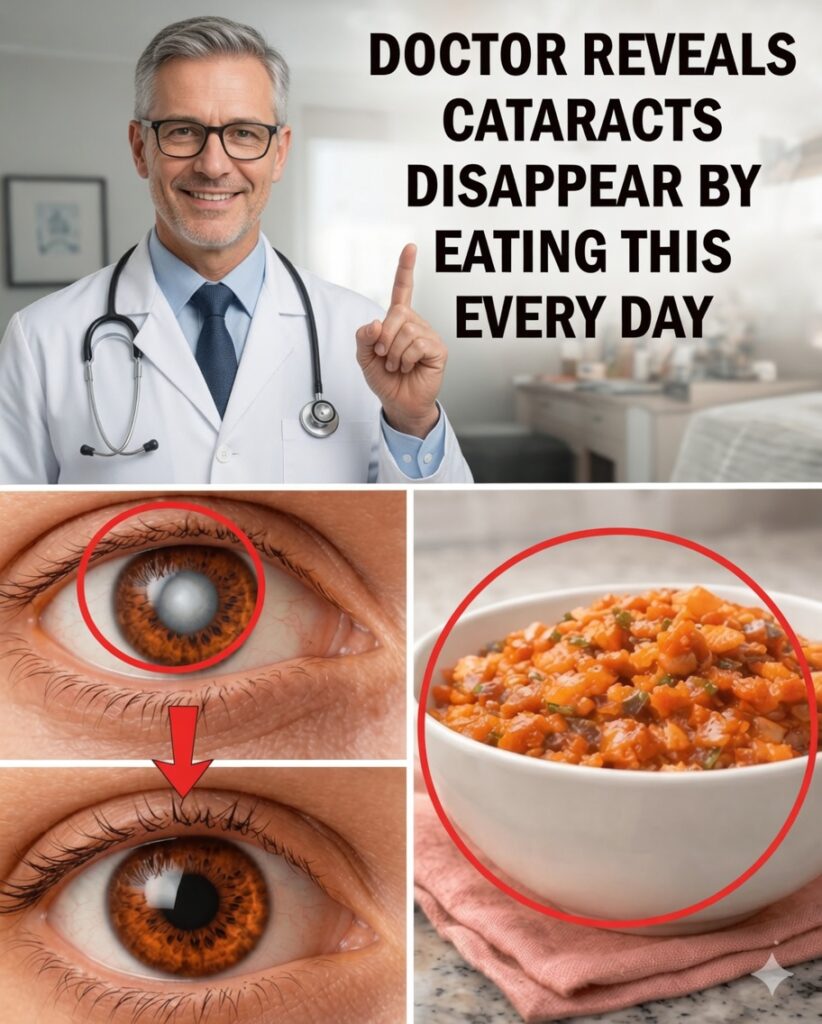
Eat These 5 Foods Every Day and Support Clearer Vision Naturally — Even People With Cataracts May Notice a Difference
Blurred vision often creeps in so slowly that it’s easy to miss at first. Colors don’t look as vibrant, night driving becomes uncomfortable, and reading small print takes more effort than it used to. Over time, that “hazy” look—often linked with cataracts—can reduce confidence in everyday tasks and even affect independence.
The encouraging news is that simple, accessible foods can help support long-term eye health, protect delicate eye structures, and reduce the impact of oxidative stress over time. There’s also one extremely simple daily habit—shared near the end—that many people overlook completely.
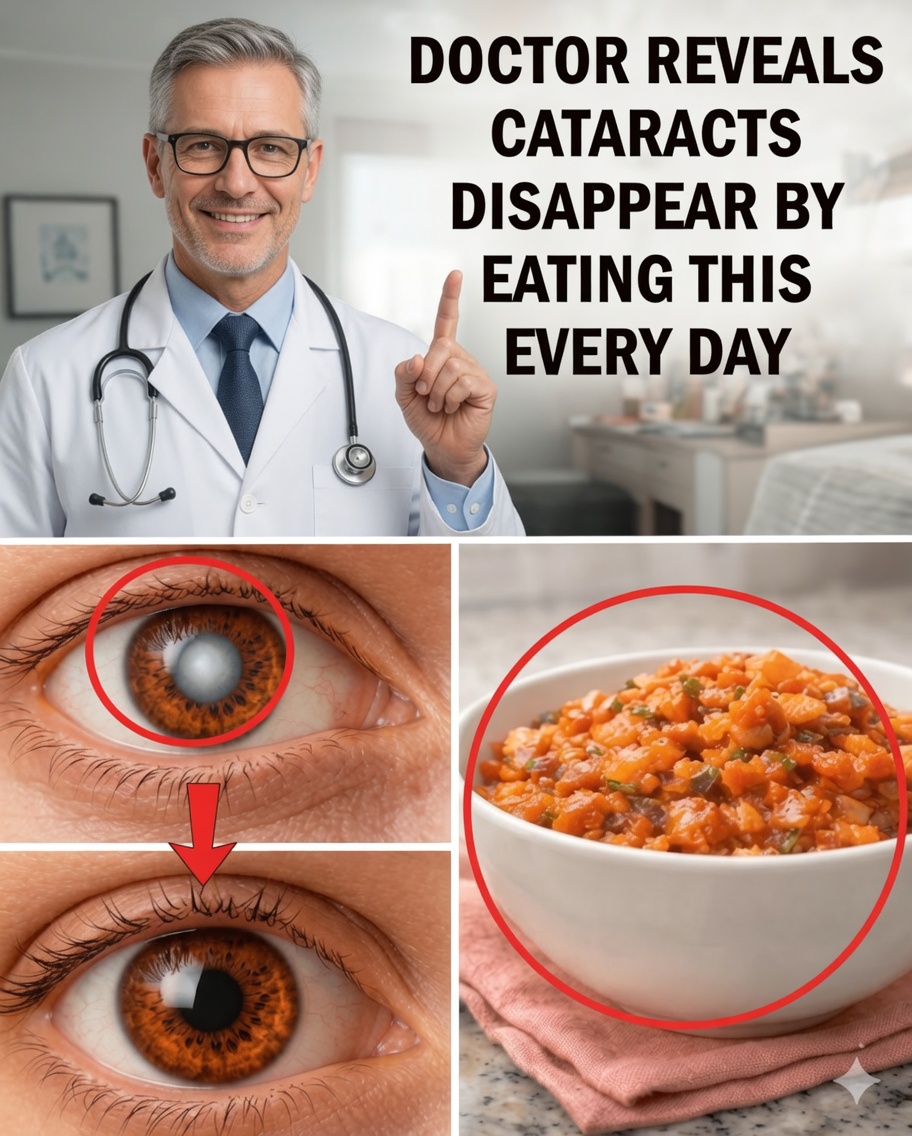
Cataracts, Explained in Plain Language
A cataract develops when the eye’s natural lens (the crystalline lens) becomes cloudy. Under normal conditions, this lens is transparent and helps focus light onto the retina so you can see clearly.
As we age, proteins inside the lens can break down and clump together, creating the cloudy appearance associated with cataracts.
Scientific research points to oxidative stress as a key contributor. Oxidative stress happens when unstable molecules called free radicals damage healthy cells. The eye’s lens is particularly sensitive to this kind of damage.
Important note: No food can remove cataracts that already exist. However, certain nutrients can help protect the eyes and may help reduce oxidative stress over time—making your daily diet more powerful than you might think.
Why Nutrition Matters for Eye Health
Your eyes rely on a steady supply of vitamins, minerals, and antioxidants to function well. Diets rich in nutrients such as vitamin C, vitamin E, lutein, and zeaxanthin are often associated with better long-term vision and eye health.
These nutrients can help:
- Shield the lens from oxidative stress
- Support healthy blood flow to eye tissues
- Maintain the structure of ocular tissues
- Lower inflammation that can interfere with vision
One more key point: many of these nutrients work best together, which is why a balanced diet tends to be more effective than relying on a single supplement.
Below are five standout foods that support vision and overall eye health.
1) Leafy Green Vegetables (Lutein + Zeaxanthin)
Spinach, kale, and other leafy greens are rich in lutein and zeaxanthin—natural pigments that accumulate in the retina and lens.
They act like internal “natural sunglasses,” helping filter harmful light and protect eye cells from damage.
Easy ways to eat more leafy greens:
- Add spinach to smoothies
- Sauté kale with olive oil
- Use mixed greens in lunch salads
Light cooking can actually improve absorption of certain nutrients—especially when paired with healthy fats like olive oil.
2) Colorful Vitamin C–Rich Fruits and Vegetables
Oranges, strawberries, kiwi, and bell peppers are excellent sources of vitamin C. The lens naturally contains high levels of vitamin C, suggesting it plays an important protective role.
Vitamin C may help:
- Neutralize free radicals
- Support collagen production in the eye
- Help maintain the lens structure
Simple ideas you can stick with:
- Add berries to yogurt
- Snack on raw bell pepper slices
- Drink unsweetened fresh citrus juice
Small daily upgrades usually matter more than occasional “perfect” days.
3) Carrots and Other Orange Vegetables (Beta-Carotene + Vitamin A)
Carrots have a long-standing reputation for eye health—for good reason. They contain beta-carotene, which the body converts into vitamin A.
Vitamin A is essential for vision, especially in low-light conditions.
Other orange options rich in similar nutrients include:
- Sweet potatoes
- Pumpkin
- Winter squash
Balance matters: getting vitamin A through whole foods is generally safe and beneficial for most people.
4) Nuts and Seeds (Vitamin E + Healthy Fats)
Almonds, sunflower seeds, and hazelnuts provide vitamin E, a powerful antioxidant that helps protect cells from oxidative damage.
Vitamin E may contribute to maintaining the health of the eye’s lens.
Easy ways to include them:
- Mix nuts into oatmeal
- Sprinkle sunflower seeds over salads
- Add peanut or almond butter to smoothies
Nuts and seeds also supply healthy fats, which support circulation—important for nourishing eye tissues.
5) Fatty Fish (Omega-3s for Retina Support)
Salmon, sardines, and mackerel are rich in omega-3 fatty acids, essential fats that support the retina and overall eye function.
Omega-3s may help:
- Support healthy tear production
- Improve blood flow to the eyes
- Promote retinal health
A practical goal is fatty fish twice per week. If you don’t eat fish, flaxseeds and chia seeds are helpful plant-based alternatives.
The Simple Daily Habit Most People Forget: Hydration
Many people focus on food but overlook something basic: drinking enough water.
Your eyes depend on proper fluid balance to function comfortably. Even mild dehydration can contribute to dryness, irritation, and vision that feels less sharp.
Try this simple routine:
- Drink a glass of water before coffee in the morning
- Keep a water bottle nearby throughout the day
- Have a glass of water with each meal
It’s simple—but it can make a real difference for daily eye comfort.
A Simple Plan You Can Start Today
You don’t need perfection. Start with manageable steps:
- Add leafy greens to one meal per day
- Eat at least one vitamin C–rich fruit daily
- Swap one snack for a handful of nuts
- Eat fatty fish twice weekly
- Drink water consistently throughout the day
Consistency beats intensity.
Other Habits That Help Protect Your Vision
Food matters, but your daily routine also plays a big role in long-term eye health:
- Wear sunglasses that block UV rays
- Avoid smoking
- Keep blood sugar under control
- Schedule regular eye exams
Eye health rarely depends on one “miracle” food. Most often, it’s the combined effect of daily habits that protects your vision over time.
Final Thoughts
Cataracts are common with aging, but your everyday choices still influence your eye health. While no diet can erase existing cataracts, a nutrient-rich eating pattern can help support and protect your eyes for the long run.
Leafy greens, vitamin C–rich produce, orange vegetables, nuts and seeds, and omega-3–rich fish provide antioxidants and key nutrients that work together to support clearer, healthier vision.
Start small. Add one food at a time and build habits you can maintain—your eyes work hard every day, and good nutrition is one of the most practical ways to protect them for the future.