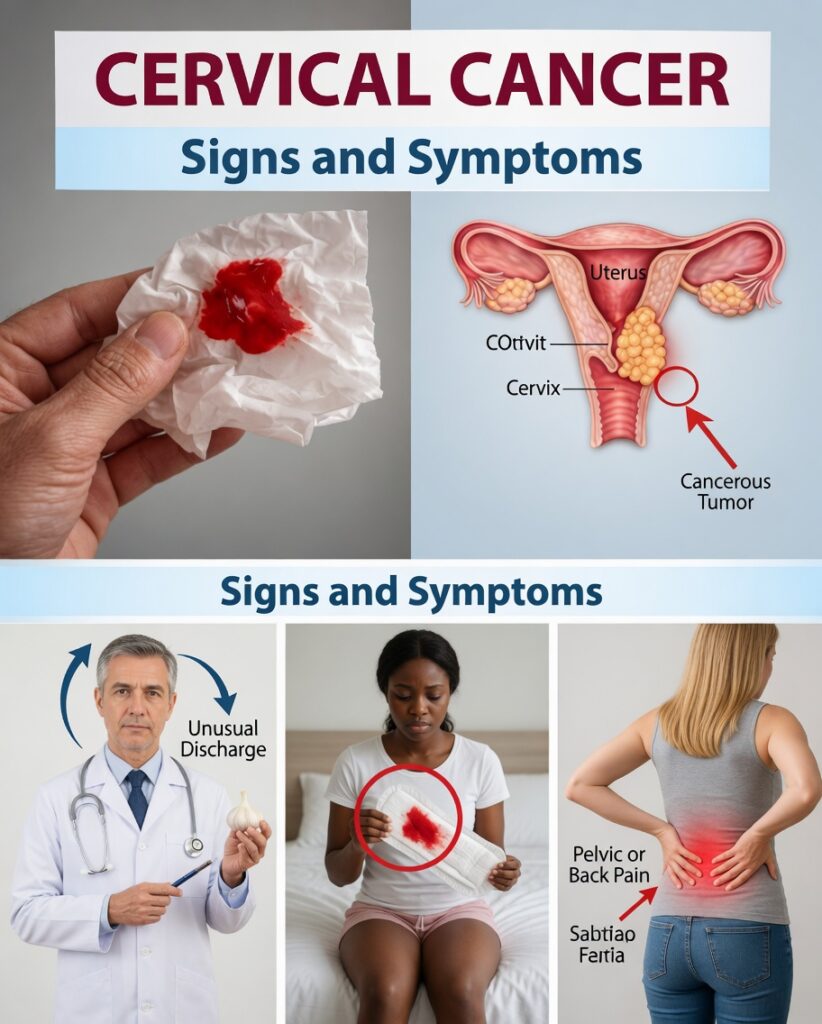
Small Bleeding Outside Your Period Could Be an Early Warning Sign
Have you noticed light bleeding when you’re not on your period? Many women dismiss it as “nothing,” but spotting between cycles can be one of the earliest signs that something may be happening in the cervix. The same is true for unusual discharge or pelvic discomfort—symptoms that often seem minor, temporary, or easy to ignore.
Subtle body changes are especially easy to overlook when life is busy. Yet when these signs keep returning, your body may be asking for attention. This article explains the early symptoms many women miss, why acting early matters, and the simple habit that can make a lasting difference in protecting your health.
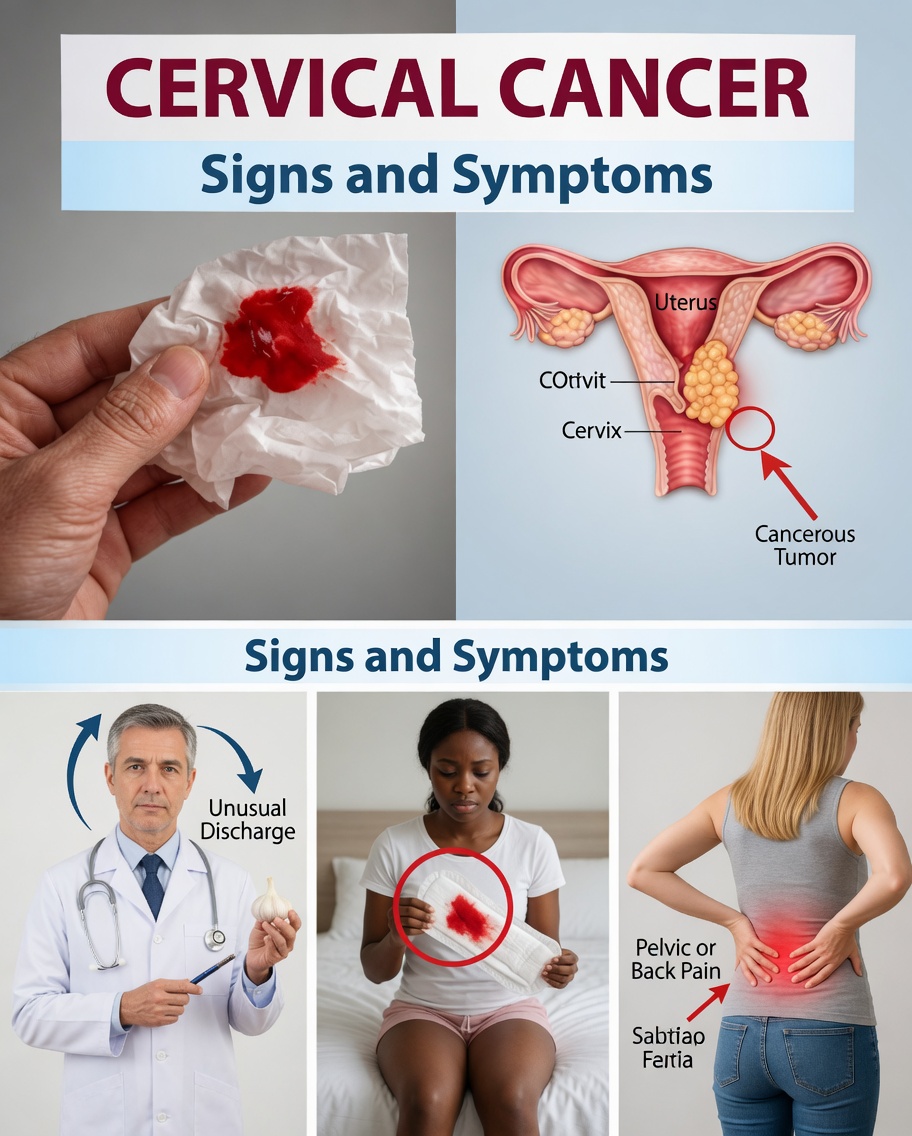
Why Paying Attention Early Matters
Cervical cancer begins in the cells of the cervix, the lower part of the uterus that connects to the vagina. Thanks to screening programs, severe complications have decreased in many countries. Still, early warning signs are frequently missed because they can resemble everyday hormonal shifts or mild infections.
The key point: early symptoms are often quiet and non-dramatic. That’s why awareness and tracking changes in your body are so important.
Also, an important reminder: having one of these symptoms does not automatically mean cancer. Many common conditions can cause similar signs. The goal here is prevention and informed action—not fear.
1. Unusual Vaginal Bleeding
One of the most commonly reported early signs is bleeding that doesn’t match your normal pattern, including:
- Bleeding between periods
- Bleeding after sex
- Bleeding after menopause
- Periods that become heavier or last longer than usual
If a change in your cycle pattern continues beyond one cycle, it’s worth getting checked.
2. Bleeding After Sex
Light bleeding after intercourse can happen for several reasons. However, repeated post-sex bleeding should not be ignored. Cervical cell changes can make the tissue more fragile and prone to bleeding.
3. Unusual Vaginal Discharge
Discharge naturally changes throughout life, but certain shifts deserve attention—especially discharge that is:
- Very watery and persistent
- Strong-smelling or unpleasant
- Pink, brown, or streaked with blood
- Thicker than normal with no clear sign of infection
If the appearance or odor feels “different” and it doesn’t go away, a medical evaluation is recommended.
4. Persistent Pelvic Pain
Mild pelvic discomfort during menstruation is common. But pain that appears outside your cycle or lasts for a long time may signal a problem that needs investigation.
Some women describe it as:
- Constant pressure in the lower abdomen
- A deep, ongoing pelvic ache
- Pain during sex
5. Pain During Sex (Dyspareunia)
Pain during intercourse can be linked to dryness, stress, or other non-serious issues. Still, if it becomes frequent or intense, it may be associated with cervical changes and should be assessed.
6. Lower Back or Leg Pain
In some cases, discomfort may radiate to the lower back or even the legs. It’s often blamed on posture or physical strain—but if it appears alongside gynecological symptoms, it deserves attention.
7. Ongoing, Unexplained Fatigue
Occasional tiredness is normal. But persistent fatigue without a clear cause can be a sign that your body is dealing with an underlying health issue.
If fatigue shows up together with irregular bleeding or pelvic pain, it’s especially important to investigate.
8. Urinary or Bowel Changes
In more advanced situations, changes may include:
- Needing to urinate more often
- Difficulty fully emptying the bladder
- Constipation
- Pain during urination
These symptoms can come from many causes, but they shouldn’t be dismissed when they occur with other warning signs.
9. Unexplained Weight Loss or Loss of Appetite
Sudden weight changes or reduced appetite can indicate that the body is under stress or facing an internal health problem—especially when combined with other persistent symptoms.
The Most Important Difference: Persistence
Many of the symptoms above can also happen with common, treatable conditions. What matters most is when symptoms:
- Persist for weeks
- Worsen over time
- Appear together, not alone
Risk Factors That Can Increase Cervical Health Problems
Some factors are known to raise the risk of cervical cell changes, including:
- Long-lasting infection with certain high-risk types of HPV
- Smoking
- A weakened immune system
- Long-term use of certain hormonal contraceptives
- Skipping routine preventive screenings
HPV is extremely common and often causes no noticeable symptoms, which is why screening is so valuable.
How to Protect Your Cervical Health
1. Know what’s normal for you
Track your cycle, discharge patterns, and any unusual pelvic sensations so you can spot changes early.
2. Get regular preventive screening
A Pap smear (Pap test) and HPV test can identify abnormalities even before symptoms appear.
3. Don’t ignore ongoing changes
If unusual bleeding, pain, or persistent discharge continues for weeks, seek medical guidance.
4. Consider HPV vaccination
The HPV vaccine can significantly reduce the risk linked to high-risk HPV types.
5. Support your immune system with healthy habits
Avoid smoking, eat a balanced diet, exercise regularly, and prioritize quality sleep.
The Most Important Habit Many Women Forget
Many women postpone appointments due to fear, embarrassment, or lack of time. But combining routine screening with paying attention to persistent body changes is one of the most effective ways to protect long-term health.
Conclusion
Cervical cancer often begins with subtle signs that can be easy to miss. Unusual bleeding, persistent discharge, pelvic pain, fatigue, and urinary changes may serve as early alerts.
Most of the time, these symptoms have causes that are less serious. Even so, noticing changes and keeping up with preventive exams is essential for protecting your health over the long term.
Listening to your body isn’t overreacting—it’s an act of care and responsibility.
Disclaimer
This article is for informational purposes only and does not replace professional medical advice, diagnosis, or treatment. Always consult a qualified healthcare professional regarding symptoms or health concerns.