Most People Eat Garlic Daily—But Many Use It in a Way That Kills Its Benefits
Garlic is a staple in kitchens around the world, often praised as a natural “superfood.” Yet many people still feel sluggish, bloated, or seem to catch every seasonal bug—despite adding garlic to meals. One reason: garlic’s key active compounds are easy to damage or miss entirely if you prepare it incorrectly.
If you’re over 40, you may already notice shifts like lower energy, weaker immunity, and slower digestion. Garlic can support these areas—but only if you use it in a way that preserves what makes it powerful.
Below are 8 common garlic mistakes that quietly reduce its potential—and simple adjustments that can help you get more from every clove.
1. Cooking Garlic Too Long (High Heat Destroys Allicin)
One of garlic’s most valuable compounds is allicin, which forms when garlic is cut or crushed. The problem is that prolonged high heat breaks it down quickly.
- Avoid simmering or frying garlic for long periods.
- Add garlic near the end of cooking to better preserve its benefits.
2. Skipping the Crush or Chop Step
Dropping whole cloves into a dish may add flavor, but it can significantly reduce garlic’s functional value. Allicin doesn’t form well unless the clove is damaged first.
To activate garlic:
- Crush, mince, or chop it before using.
- This helps enzymes inside the clove create more of the beneficial compounds.
3. Eating Raw Garlic on an Empty Stomach
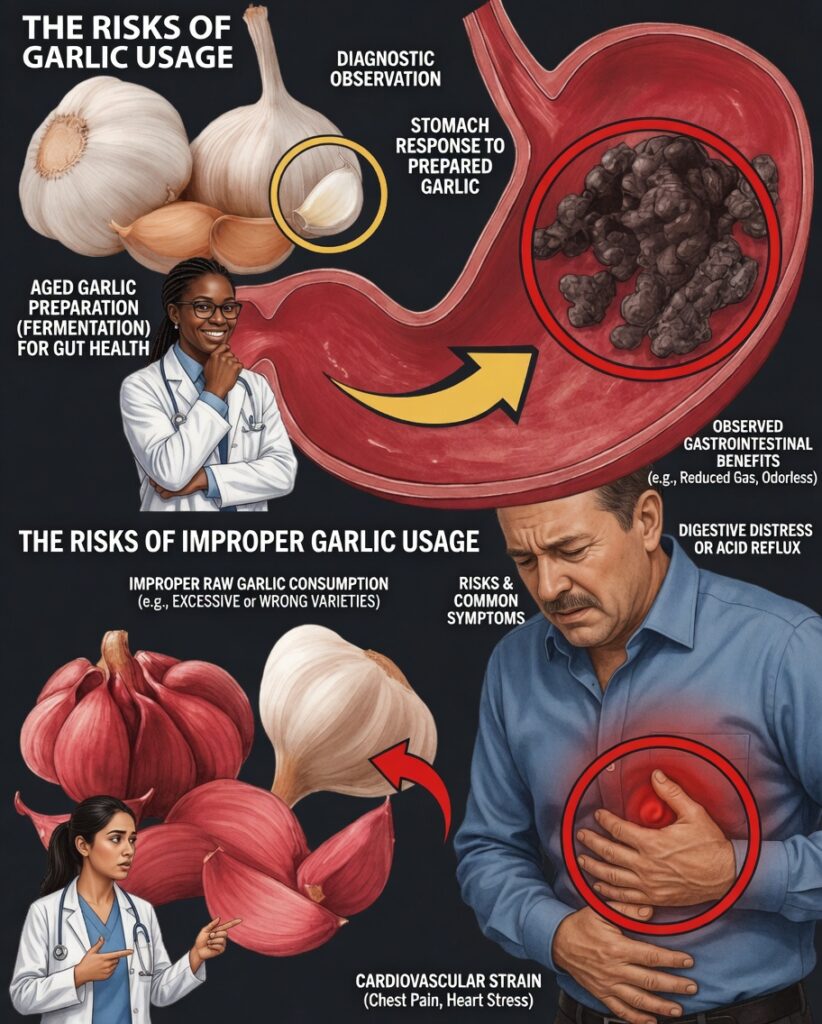
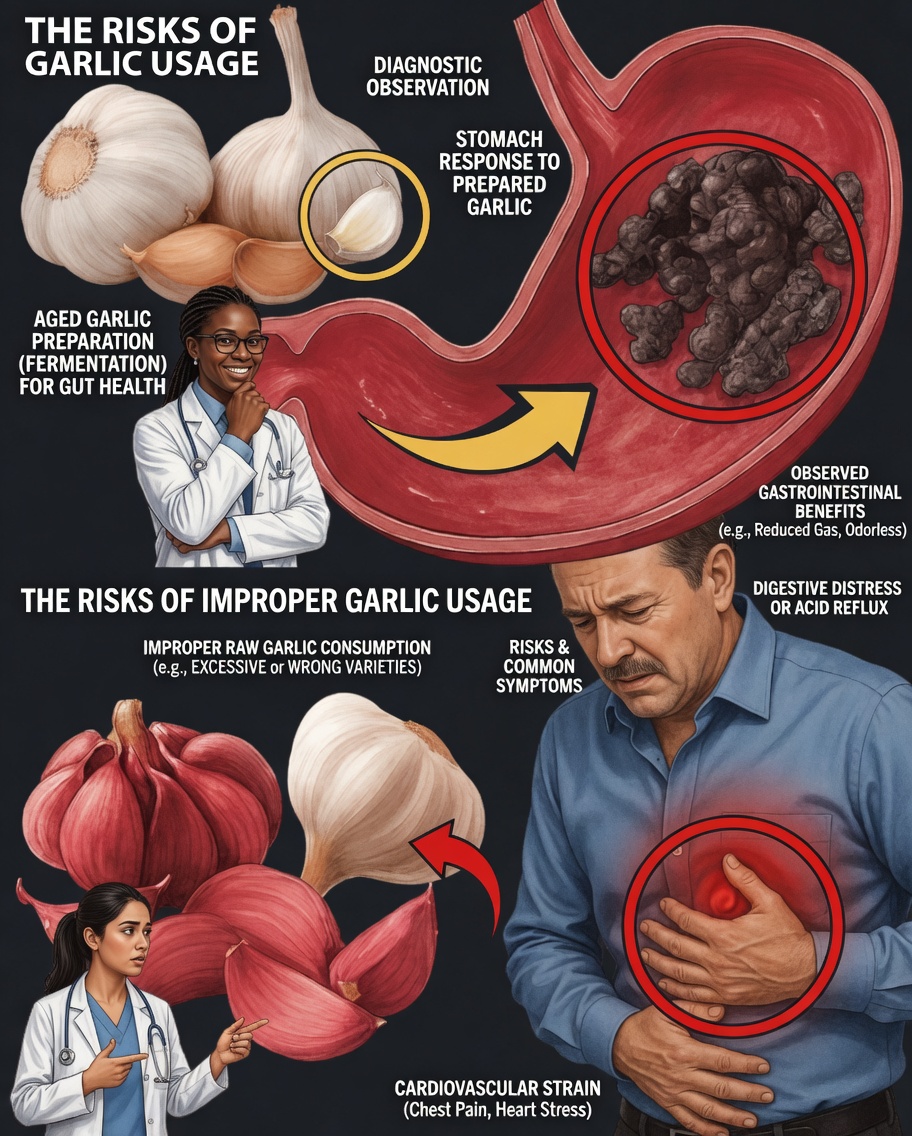
Some people take raw garlic first thing in the morning, assuming it’s the “strongest” method. For many, this backfires because garlic can irritate the stomach lining, leading to:
- burning sensation
- nausea
- digestive discomfort
A more stomach-friendly option is to eat garlic with food, which softens its intensity.
4. Using Old, Dried, or Sprouted Garlic
Garlic loses quality with age. When bulbs become dry, soft, or sprouted, their antioxidant and active-compound levels can decline.
Choose garlic that is:
- firm and heavy for its size
- tightly wrapped in dry skin
- strongly aromatic
5. Pairing Garlic with Foods That Reduce Its Impact
Some combinations may make it harder for your body to use garlic’s sulfur-based compounds effectively. For example, heavy dairy pairings may reduce how well certain components are absorbed.
Better pairings include:
- vegetables
- herbs
- healthy fats (like olive oil, nuts, seeds)
These combinations can make garlic easier to incorporate and more effective in a balanced meal.
6. Not Paying Attention to Timing
When you eat garlic can influence how well your body uses it. Some nutrition approaches suggest that having garlic shortly before meals may support better digestion-related activation of its compounds.
You don’t need to be perfect—just consistent with a routine that feels good for your body.
7. Overdoing Garlic Supplements
Garlic capsules are convenient, but more isn’t always better. High doses may trigger:
- stomach irritation
- digestive upset
- persistent bad breath
For many people, using real garlic in food offers a more balanced and natural intake.
8. Storing Garlic the Wrong Way
Storage matters more than most people realize. Refrigerating garlic can introduce moisture and reduce flavor and potency over time.
Store garlic:
- at room temperature
- in a cool, dry place
- with good airflow (not sealed in plastic)
Bonus Tip: The 10-Minute Trick to Boost Garlic’s Power
A simple technique can help you get more out of garlic:
- Crush or chop garlic
- Let it rest for about 10 minutes
- Then cook (preferably with shorter heat exposure)
This resting period allows enzymes to work, helping more allicin form before heat is applied.
A Simple Garlic Routine to Try (Build Consistency)
Start small and increase gradually:
- Days 1–3: Crush 1 fresh clove daily
- Days 4–7: Add 1–2 cloves to meals
- Days 8–14: Try having garlic shortly before meals
- Day 15 onward: Maintain 1–2 cloves daily and store garlic correctly
The Bottom Line
Garlic has been valued for centuries for supporting immunity, heart health, and digestion. But small preparation errors—like overcooking, skipping the crush step, or storing it poorly—can quietly reduce its effectiveness.
If you want a simple place to start tonight: use one fresh clove, crush it, let it rest briefly, and add it toward the end of cooking.
Educational notice: This article is for informational purposes only and is not a substitute for medical advice. Always consult a qualified healthcare professional for guidance tailored to your needs.