A Backyard Plant That May Naturally Soothe Bites, Cuts, and Inflammation—Have You Stepped on It Without Noticing?
Have you ever walked barefoot across a lawn or along a sidewalk and accidentally stepped on a low plant with broad leaves—without giving it a second thought? Many people pull it out assuming it’s just another invasive weed. But what if this common “weed” is actually a time-tested natural remedy that has been used for centuries?
Plantago major (commonly called broadleaf plantain) has a long history in traditional herbal medicine. Found across many parts of Europe, Asia, and North America, this humble plant has been used to help soothe insect bites, support digestion, and care for skin irritation.
Thanks to naturally occurring compounds such as flavonoids, tannins, mucilage, and allantoin, Plantago major is often described as a practical “first-aid plant” that can be found right under your feet. Although it’s frequently overlooked, it can be a surprisingly accessible option for everyday wellness.
In this article, you’ll learn what broadleaf plantain is, why it deserves more respect than dismissal, the benefits associated with its traditional use, and simple ways people incorporate it into daily life.
What Is Broadleaf Plantain (Plantago major)?
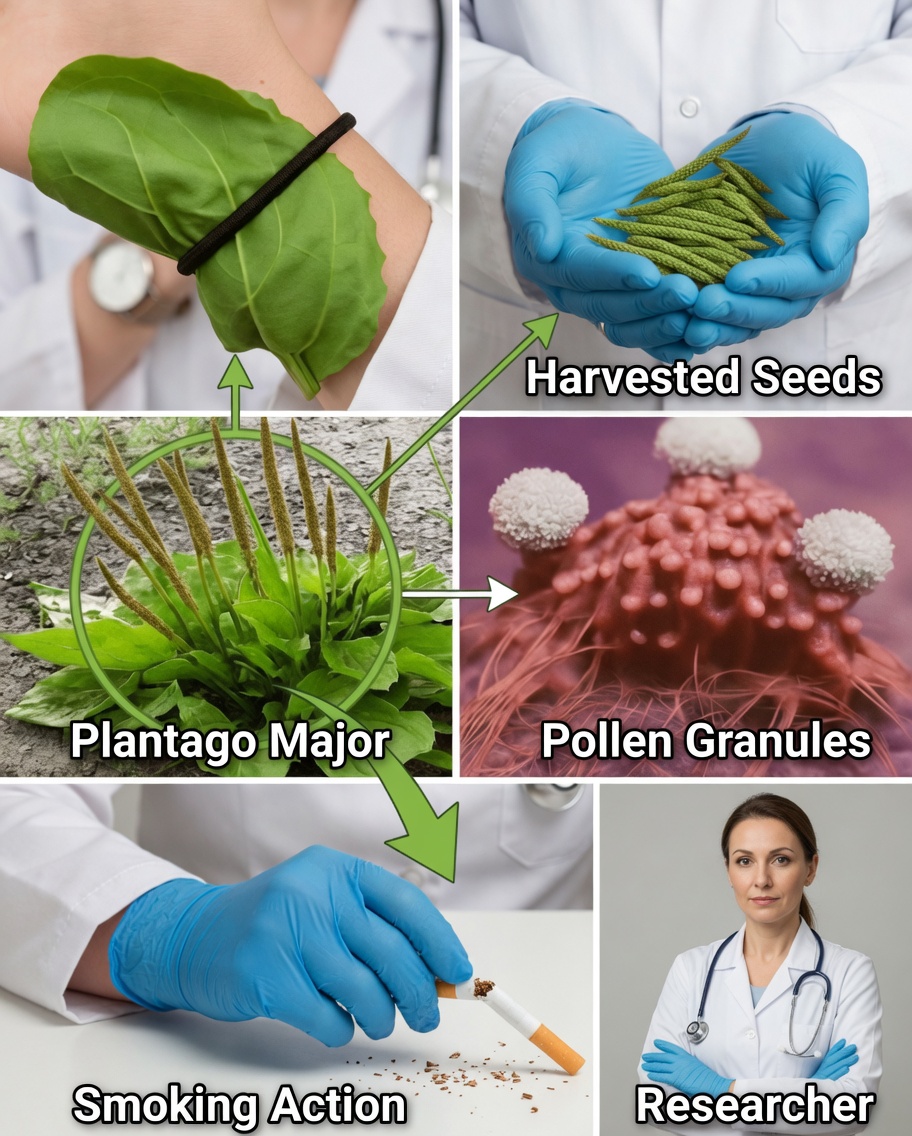
Plantago major is a perennial plant that grows readily in gardens, meadows, vacant lots, and along roadsides. It forms a ground-level rosette of broad, oval leaves, while taller stalks rise above with clusters of small, greenish flowers.
Even though it’s often labeled a weed, broadleaf plantain is notably resilient: it tolerates poor soil, spreads easily, and requires very little care to thrive.
Key Natural Compounds Found in Plantago major
Broadleaf plantain is known for several naturally occurring substances often referenced in traditional use:
- Allantoin: supports skin repair and tissue regeneration
- Flavonoids: associated with antioxidant and anti-inflammatory activity
- Tannins: offer an astringent effect that may help reduce irritation
- Mucilage: coats and soothes sensitive tissues and mucous membranes
- Vitamin K: contributes to normal blood clotting and tissue recovery
Traditional Uses Around the World
Across history, different cultures have relied on Plantago major as a practical herbal ally:
- Europe: sometimes called the “mother of herbs,” traditionally applied to minor cuts, burns, and cough-related discomfort
- Native North American practices: used as a poultice for bites, wounds, and swelling
- Asian traditions: commonly prepared as a tea for digestive discomfort
Its widespread use across continents helps explain why this plant has maintained a strong reputation in folk medicine for generations.
6 Traditional Benefits Commonly Associated With Broadleaf Plantain
1. Natural Skin-Soothing Support
Fresh leaves, crushed and applied topically, have been used for insect bites, minor scratches, and irritated skin. Traditionally, allantoin is linked with skin repair, while tannins are valued for their calming, tightening effect.
2. Gentle Digestive Comfort
The plant’s mucilage is often described as soothing to the digestive tract. Light herbal teas are traditionally taken after heavy meals to promote comfort.
3. Throat and Mild Cough Relief
Broadleaf plantain infusions have a long-standing reputation for helping coat and calm an irritated throat and easing mild cough discomfort.
4. Potential Anti-Inflammatory Support
Because it contains flavonoids, Plantago major is often associated in traditional wellness with supporting the body’s natural inflammatory balance.
5. Traditional Oral Care Use
In some folk practices, people would chew fresh leaves to help ease gum irritation and support oral comfort.
6. Nutritional Value
Young leaves are sometimes eaten as food—raw or cooked. They can provide nutrients such as vitamin C, vitamin K, calcium, and magnesium, which support general nutrition.
Practical Ways People Use Broadleaf Plantain
Poultice for Skin
- Rinse several fresh leaves thoroughly.
- Crush or mash them until they release their natural juice.
- Place the plant material directly on bites, small cuts, or irritated spots.
- Cover with a clean cloth or bandage if needed.
Gentle Digestive Tea
Ingredients
- 1 teaspoon dried leaves
- 1 cup hot water
Directions
- Steep for about 10 minutes.
- Strain and drink warm.
Simple Herbal Salve
Traditionally, the leaves may be infused in olive oil, then combined with beeswax to create a soothing balm used for dry or irritated skin.
Using It in Food
Young leaves can be incorporated in easy, everyday ways:
- Added to salads (best when young and tender)
- Stirred into soups
- Sautéed like leafy greens
Everyday Stories
Emma, 54
During a walk, she was bitten by a mosquito. A friend crushed a broadleaf plantain leaf and applied it to the area. Within minutes, she noticed the itching had eased significantly.
James, 70
Living with mild arthritis, he started drinking broadleaf plantain tea in the evening. While it doesn’t replace medical care, he says it feels comforting and he enjoys the calming nightly routine.
Important Safety Notes
- Broadleaf plantain is generally considered safe when used in traditional amounts.
- Some people may experience mild irritation—test on a small area of skin first.
- Avoid harvesting plants from roadsides, sprayed lawns, or polluted areas.
- If you are pregnant, breastfeeding, or managing a medical condition, consult a healthcare professional before regular use.
Conclusion
Broadleaf plantain may be dismissed as a weed, but its long history tells a different story. With a range of beneficial natural compounds, it has been used for generations to support skin comfort, digestion, and everyday wellness.
Sometimes, the most valuable natural helpers are growing quietly right beneath our feet.
Frequently Asked Questions
Can broadleaf plantain replace medical treatment?
No. It may support general wellness, but it should not replace professional medical advice or treatment.
Is it safe to eat the leaves raw?
Yes—especially the young leaves. Older leaves tend to be tougher and more fibrous.
Where can I find Plantago major?
It grows widely in temperate climates and may also be found through herbal shops or natural product stores.