Early Menopause Signs: 10 Common Changes Women Often Notice First
Many women in their late 30s or early 40s begin to see unexpected changes in their bodies. Periods may become unpredictable, energy can suddenly dip, and sleep or mood may feel off for no obvious reason. These symptoms can be confusing, especially when they start affecting everyday life in ways that do not immediately seem hormone-related.
The reassuring part is that noticing these signs early can make the experience less overwhelming. Once you understand the patterns, it becomes easier to respond with supportive habits that help you feel more steady and in control. At the end of this article, you will also find one simple habit that many women say makes a surprisingly big difference.
What Early Menopause Means and Why It Is Important
Early menopause happens before age 45, while premature menopause begins before age 40. According to information shared by trusted organizations such as the Cleveland Clinic and the NHS, the symptoms are similar to those of natural menopause, but they arrive sooner and can feel more disruptive because they appear at an unexpected stage of life.
In most cases, these changes are linked to falling estrogen levels and other hormonal shifts. That is why it is so important not to brush them off as stress, being busy, or simply getting older. Your body is often giving you meaningful signals.
10 Early Menopause Symptoms Many Women Recognize First
Health sources including Mayo Clinic and Harvard Health have documented several common symptoms that tend to appear during this transition. Often, more than one shows up at the same time.
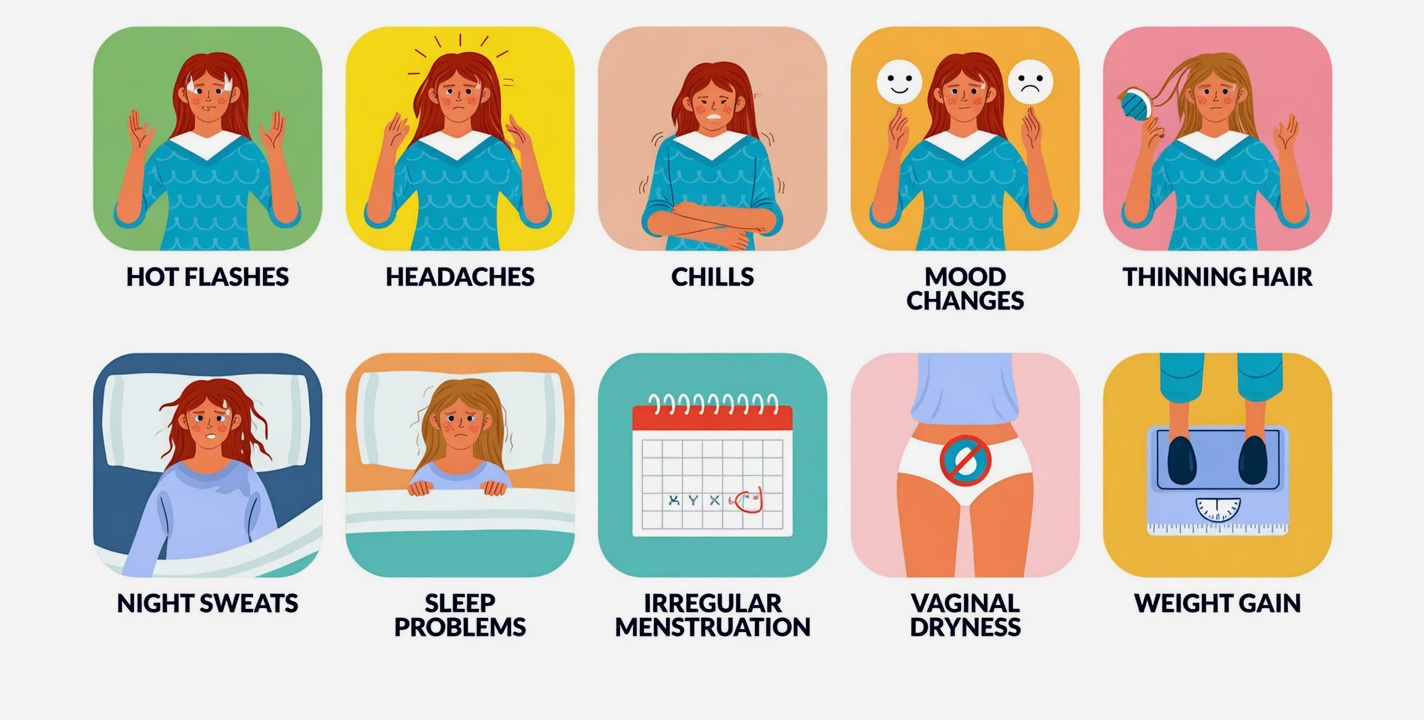
1. Irregular or Missed Periods
Your menstrual cycle may stop being predictable. Periods can come earlier or later than usual, become lighter or heavier, or even skip altogether. Some women also notice spotting between cycles. For many, this is the earliest sign.
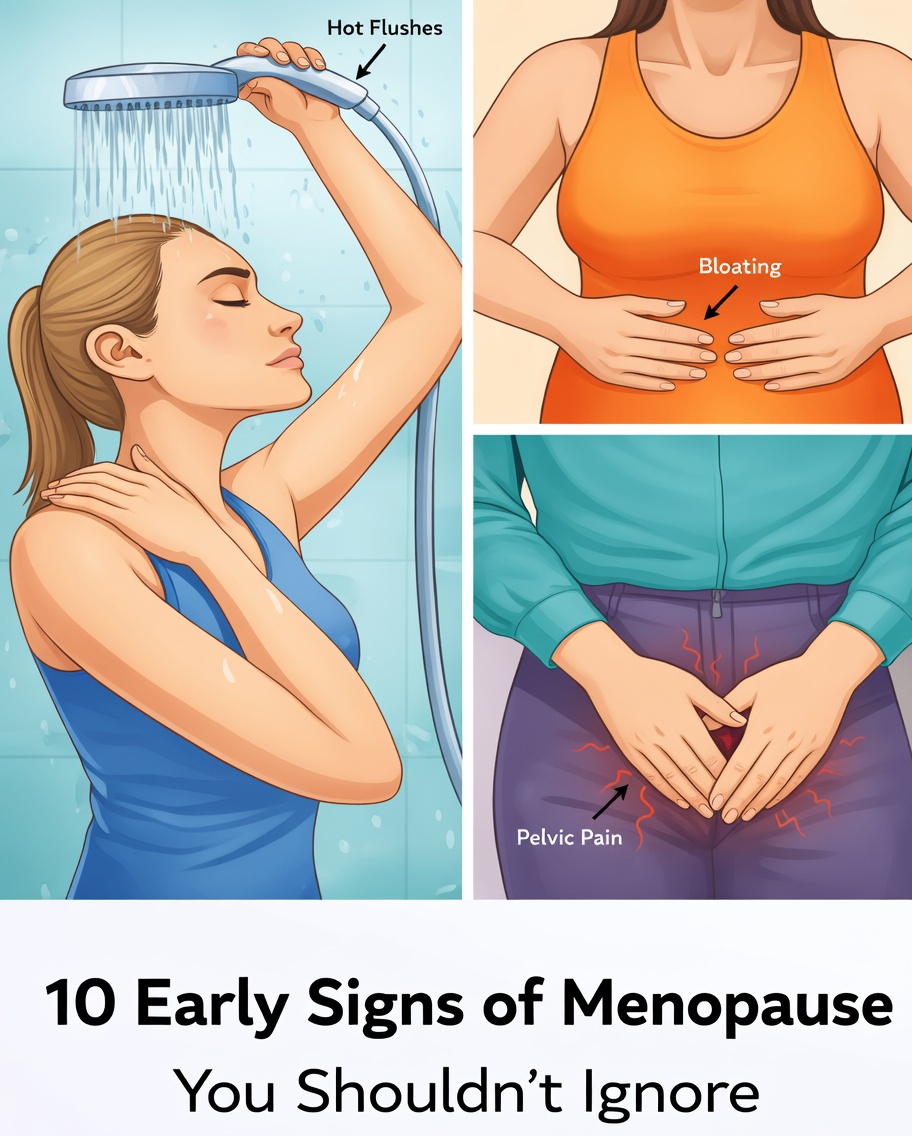
2. Hot Flashes and Night Sweats
A sudden feeling of heat may rise through the face, neck, and chest. At night, sweating episodes can become intense enough to disturb sleep repeatedly.
3. Mood Swings and Irritability
You may feel unusually anxious, emotional, low, or easily annoyed. These emotional changes can feel surprising, especially if they are new for you.
4. Sleep Problems
Falling asleep may take longer, or you may wake up often during the night. Even without night sweats, many women find their sleep quality changes during early menopause.
5. Vaginal Dryness or Discomfort
Hormonal shifts can make vaginal tissue thinner, drier, and more sensitive. This may affect comfort in daily life and during intimacy.
6. Brain Fog and Trouble Concentrating
Forgetting words, struggling to stay focused, or feeling mentally sluggish is another common complaint. Fluctuating hormones are often behind this cloudy feeling.
7. Heart Palpitations or Unusual Chest Sensations
Some women notice fluttering, pounding, or racing sensations in the chest. While these are often not serious, they should still be observed carefully.
8. Dry or Itchy Skin
Skin may suddenly feel rougher, more irritated, or more sensitive. Redness, dryness, or itching can appear on the arms, back, or other parts of the body.
9. Achy Joints and Muscle Soreness
Stiffness or mild pain in the joints and muscles may show up even if your exercise routine has not changed.
10. Fatigue and Low Energy
Ongoing tiredness that does not improve much with rest is one of the most frequently reported symptoms during this stage.
Other Lesser-Known Symptoms of Early Menopause
The picture does not stop with the better-known symptoms. Many women also describe less obvious changes that still connect to hormone fluctuations.
Reports from sources such as the Menopause Charity and the Cleveland Clinic note that some women experience:
- New food sensitivities
- A changed sense of smell
- Burning sensations in the mouth
- Cold flushes after hot flashes
- Brittle nails
- A different or stronger body odor
- Tingling in the hands or feet
- Dry eyes
- More frequent headaches
These signs are a reminder that menopause can influence the entire body, not only the reproductive system.
Simple Daily Habits That May Help You Feel Better
The encouraging news is that small lifestyle choices can sometimes make day-to-day symptoms easier to manage. Gentle consistency often works better than dramatic changes.
Stay Hydrated and Support Your Body With Nutrient-Rich Foods
Drink water regularly throughout the day. Some women also find it helpful to include foods rich in vitamin C and antioxidants, such as oranges and other citrus fruits, to support energy and skin comfort.
Choose Gentle Daily Movement
Light activity can help ease stiffness, improve mood, and support better sleep. Good options include:
- Short walks
- Yoga
- Stretching
- Light strength training
Build a Relaxing Evening Routine
A calming bedtime ritual can improve sleep quality. You might try:
- Keeping the bedroom cool
- Turning off screens at least an hour before bed
- Drinking a soothing herbal tea such as chamomile
Eat Balanced Meals
Meals built around whole foods may help steady energy levels and support digestion. A balanced plate often includes:
- Fiber-rich foods
- Healthy fats
- Protein
- Fruits and vegetables
Use Deep Breathing or Mindfulness for Stress
Short moments of calm can help when mood shifts or stress feel intense. Even five minutes of slow breathing or quiet awareness can be beneficial.
Quick Comparison of Two Helpful Everyday Practices
| Habit | What It Supports | Easy Way to Start |
|---|---|---|
| Good nutrition | Skin comfort, mood, steady energy | Add one serving of fresh fruit each day |
| Gentle movement | Joint comfort, sleep, daily balance | Take a 20-minute walk after dinner |
Why Some Women Experience Menopause Earlier
Early menopause can happen for several reasons. Possible contributing factors include:
- Genetics
- Smoking
- Autoimmune conditions
- Certain medical treatments
The most important thing to remember is that early menopause does not mean something is wrong with you. It simply means your body is moving through this natural transition earlier than average. Research consistently shows that women who understand these changes sooner often feel less fearful and more prepared.
One Surprisingly Helpful Habit Many Women Recommend
Here is the simple practice mentioned at the beginning: keep a daily symptom journal.
Writing down what you eat, how well you sleep, your mood, your energy level, and any physical symptoms can help you spot patterns you might otherwise miss. Many women find that this small habit reveals useful connections and makes the transition feel much more manageable. It is a simple step, but it can lead to greater confidence and a calmer sense of control.
Final Thoughts
Early menopause can bring a wide range of physical and emotional changes. Knowing the 10 most common signs, along with some lesser-known symptoms, can help you better understand what your body may be telling you. With awareness, self-compassion, and a few supportive daily habits, this phase can feel less confusing and easier to navigate.
Every woman experiences menopause differently, and that is completely normal.
Frequently Asked Questions
1. How is early menopause different from regular menopause?
The main difference is timing. Early menopause begins before age 45, while the symptoms themselves are generally similar to those of typical menopause.
2. Can lifestyle changes really make a difference?
Many women say that better sleep habits, balanced nutrition, hydration, and gentle movement help reduce the intensity of daily symptoms. Results vary, but healthy routines can be supportive.
3. When should I talk to a healthcare professional?
You should consider speaking with a doctor if your periods stop for several months, your symptoms become severe, or you have concerns about issues such as bone health or heart health.
Important Note
This article is provided for informational purposes only. It is not a substitute for medical advice, diagnosis, or treatment. Always seek guidance from a qualified healthcare professional for concerns about your health or symptoms.