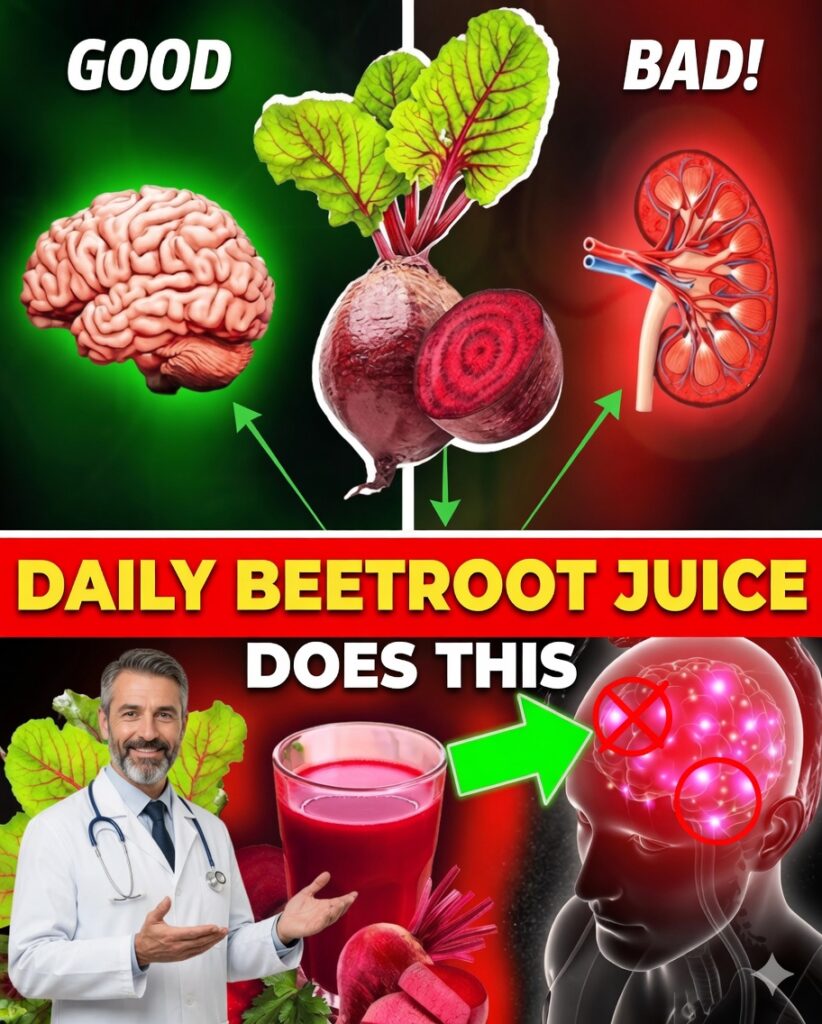
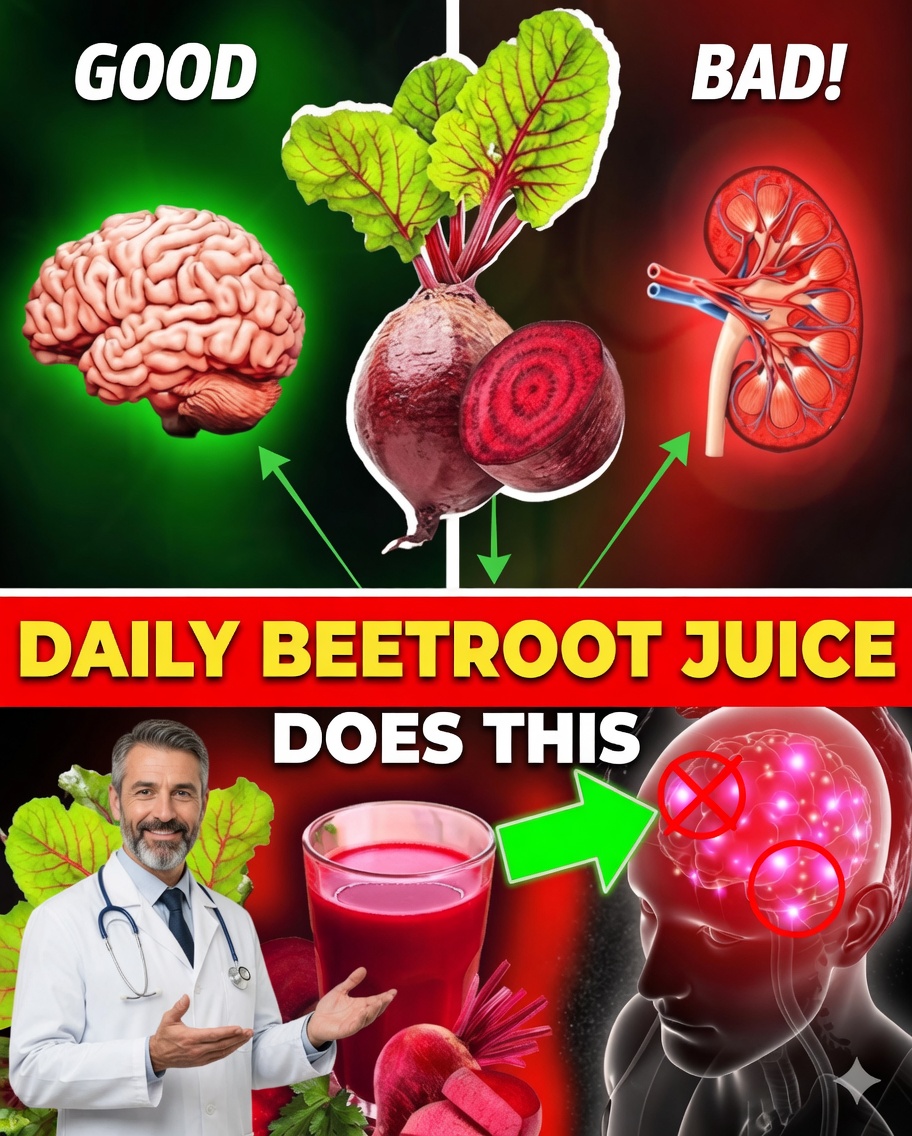
One Glass of Beetroot Juice a Day: Better Circulation, Heart Support, and Less Fatigue
Did you know that around 70% of adults report ongoing fatigue and stress?
Now picture a glass of beetroot juice—deep red, lightly sweet—waking up your senses and giving you that “reset” feeling. Take a moment and ask yourself: on a scale from 1 to 10, how energized do you feel right now?
After 40, many people start noticing changes: mid-afternoon tiredness, stiffness in the body, slower digestion, or more concern about heart health. What if one simple vegetable could support your vitality in multiple ways? Below are 12 science-backed benefits of beetroot, plus an important caution you should know before increasing your intake.
Why Energy Gets Harder to Maintain as You Age
Entering your 40s and beyond, it’s common to experience:
- Lower daily energy
- Slower digestion
- Concerns about blood pressure and circulation
Recent findings align with what many people feel: 7 out of 10 adults say they experience frequent fatigue, and many also struggle with stress, poor circulation, bloating, or digestive discomfort.
Even when you “eat healthy,” you might still feel heavy, sluggish, or swollen. A major reason is that the body may be missing key nutrients that help fuel energy production, blood flow, and recovery.
This is where beetroot stands out.
Why Beetroot Is Considered a Superfood
Beetroot is rich in natural nitrates, antioxidants, and folate—nutrients linked to improved circulation, reduced inflammation, and broader support for whole-body function. Its vivid red color comes from betalains, powerful antioxidant compounds known for their protective effects.
12 Impressive Benefits of Beetroot
1. Supports Energy and Endurance
The natural nitrates in beetroot help your body use oxygen more efficiently, which may improve stamina and reduce feelings of fatigue.
2. Helps Maintain Healthy Blood Pressure
Those nitrates can promote blood vessel relaxation, supporting smoother blood flow and healthier blood pressure levels.
3. Promotes Heart Health
With better circulation and antioxidant activity, beetroot may support cardiovascular function and reduce strain on the heart over time.
4. Improves Digestion
Beetroot provides dietary fiber, helping support regular bowel function and easing bloating for some people.
5. Helps Fight Inflammation
Betalains have anti-inflammatory properties, which may benefit joint and muscle comfort.
6. Supports Brain Function and Focus
By encouraging healthy blood flow, beetroot may help deliver more oxygen to the brain—supporting mental clarity and concentration.
7. Assists Natural Detox Pathways
Beetroot nutrients can support the liver’s natural role in processing and eliminating toxins.
8. Encourages Healthier-Looking Skin
Its antioxidants help combat oxidative stress, which may contribute to a brighter, more even complexion.
9. Supports Immune Function
With folate and other micronutrients, beetroot contributes to the body’s natural defense system.
10. May Support Weight Management
Because it’s fiber-rich and relatively low in calories, beetroot can help you feel fuller for longer.
11. Helps Muscle Recovery
Many athletes use beetroot juice to reduce perceived fatigue and support post-workout recovery.
12. May Help Balance Blood Sugar
The fiber in beetroot can help slow digestion and may support steadier blood glucose levels throughout the day.
Easy Ways to Add Beetroot to Your Routine
Including beetroot in your diet is simple and flexible:
- Fresh beetroot juice: Blend 1–2 medium beets with water (add lemon if you like)
- Roasted beetroot: Cube it and roast with olive oil
- Salads: Grated raw or cooked beetroot works well
- Smoothies: Combine beetroot with ginger and/or apple for a balanced flavor
A daily serving of about ½ cup of beetroot can already provide valuable nutrients.
An Important Science-Based Caution
Despite the benefits, beetroot isn’t meant to be consumed in extreme amounts.
Very high intake (roughly more than 500 g per day) may lead to:
- Beeturia (reddish urine or stool—usually harmless)
- Extra burden for people with kidney issues
- Higher risk of kidney stones in individuals sensitive to oxalates
If you have a history of kidney problems or digestive conditions, speak with a qualified healthcare professional before significantly increasing your beetroot intake.
A Simple Tip to Get the Most Out of Beetroot Juice
For many people, timing matters: try drinking beetroot juice about 30 minutes before exercise. It’s commonly associated with better endurance and improved training energy.
Now imagine yourself 30 days from today—feeling more energized, with better circulation and a body that feels more balanced. Small, natural nutrition changes can create meaningful results.
Disclaimer: This content is for informational purposes only and does not replace medical advice. Always consult a healthcare professional for personalized guidance.