A Powerful Natural Ally Against Colds and Bacteria—And It’s Already in Your Kitchen
Feeling run-down and more exposed during cold and flu season is extremely common. A blocked nose, lingering fatigue, and the sense that every bug takes longer than it should can disrupt your routine and overall well-being. But what if a simple kitchen staple could help support your body’s defenses—naturally?
Research suggests that garlic, thanks to its unique bioactive compounds, may play an important role in immune support. Even better: there’s an easy way to maximize its potential that many people overlook—keep reading to learn what it is.
What Makes Garlic Special for Immune Support?
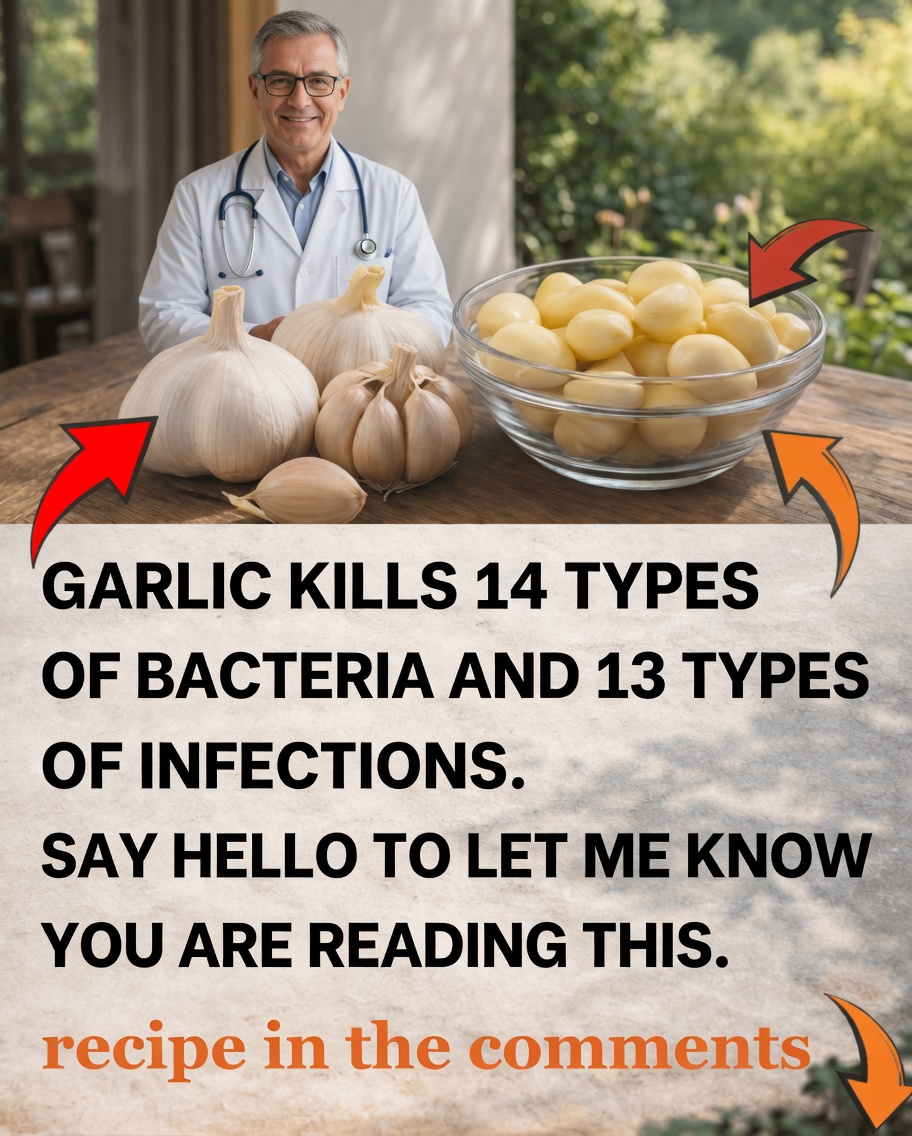
Garlic is more than a flavorful seasoning. For centuries, it has been valued for its potential health benefits. The star compound is allicin, which forms when fresh garlic is crushed or chopped.
Scientific studies indicate that allicin—along with other sulfur-containing compounds in garlic—shows antibacterial activity in laboratory settings, acting against a range of bacteria. These compounds appear to disrupt key microbial enzymes, making it harder for microorganisms to grow and thrive.
Garlic also provides antioxidants and supportive nutrients that may help the body handle everyday stress and contribute to overall immune function.
Key compounds in garlic
- Allicin: created in fresh, crushed garlic; linked to antimicrobial activity
- Diallyl sulfides: contribute to broader action against microorganisms
- γ-glutamyl-S-allyl-L-cysteine: an important precursor involved in allicin formation
Garlic isn’t a replacement for medical treatment, but adding it to your routine may offer an extra layer of natural support.
The Science Behind Garlic and Common Infections
Many people have heard garlic described as a “natural antibiotic.” Laboratory research shows that fresh garlic extract can inhibit bacteria such as Staphylococcus aureus and Escherichia coli, and may also act against fungi like Candida albicans.
Garlic’s compounds may work in multiple ways:
- Bactericidal action (helping eliminate certain bacteria in lab studies)
- Biofilm prevention (reducing protective bacterial clusters)
- Enzyme interference (disrupting processes microbes rely on)
It’s important to note that much of this evidence comes from lab studies. Human research is more limited, though results so far suggest promising potential benefits.
How to Use Garlic Daily for Better Well-Being
For the greatest benefit, use garlic fresh. Chopping or crushing helps release the chemistry that leads to allicin—but one crucial step is often missed:
Wait about 10–15 minutes after chopping or crushing garlic before eating or cooking it.
This resting time allows allicin to form more fully.
Simple, practical ways to use garlic
- Raw garlic: chop 1–2 cloves, wait 10 minutes, then add to salads or take with a bit of honey
- In cooking: add garlic near the end of cooking to help preserve more of its active compounds
- Garlic + honey: mix chopped garlic into natural honey and take 1 spoonful daily
- Daily amount: aim for 1–3 cloves per day, starting small to avoid digestive discomfort
Extra tip: pairing garlic with olive oil may support absorption and makes it easier to include in meals.
Fresh, Cooked, or Supplements—Which Is Best?
Each option has advantages, but they’re not equal in potency:
- Fresh garlic: typically offers the highest allicin potential
- Supplements: convenient, but quality and effectiveness can vary widely
- Cooked garlic: easier to tolerate, but often provides less active compound activity
In general, fresh, crushed garlic remains the most powerful choice.
Why Consistency Matters Most
Using garlic once in a while may help, but daily, consistent intake tends to provide more noticeable support over time. The body responds better when it receives steady nutritional and antioxidant support.
And the overlooked “secret” is simple: the 10–15 minute wait after crushing can significantly influence how much allicin is produced.
Conclusion: A Small Habit with Big Potential
Garlic is affordable, widely available, and easy to incorporate into everyday meals. With its active compounds and potential immune support benefits, it can be a valuable addition to a wellness-focused routine.
Start gradually, pay attention to how you feel, and make garlic a consistent part of your diet for long-term support.
Frequently Asked Questions
-
How much garlic should I eat per day?
Typically 1–3 cloves daily, adjusted to your tolerance. -
Is raw garlic better than supplements?
Often yes, because fresh garlic has a higher potential for allicin formation. -
Can garlic interact with medications?
Yes—especially with blood thinners (anticoagulants). Speak with a healthcare professional if you take medications.
Disclaimer: This content is for informational purposes only and does not replace medical advice. Consult a qualified healthcare professional before making dietary changes, especially if you have a medical condition or take prescription medications.