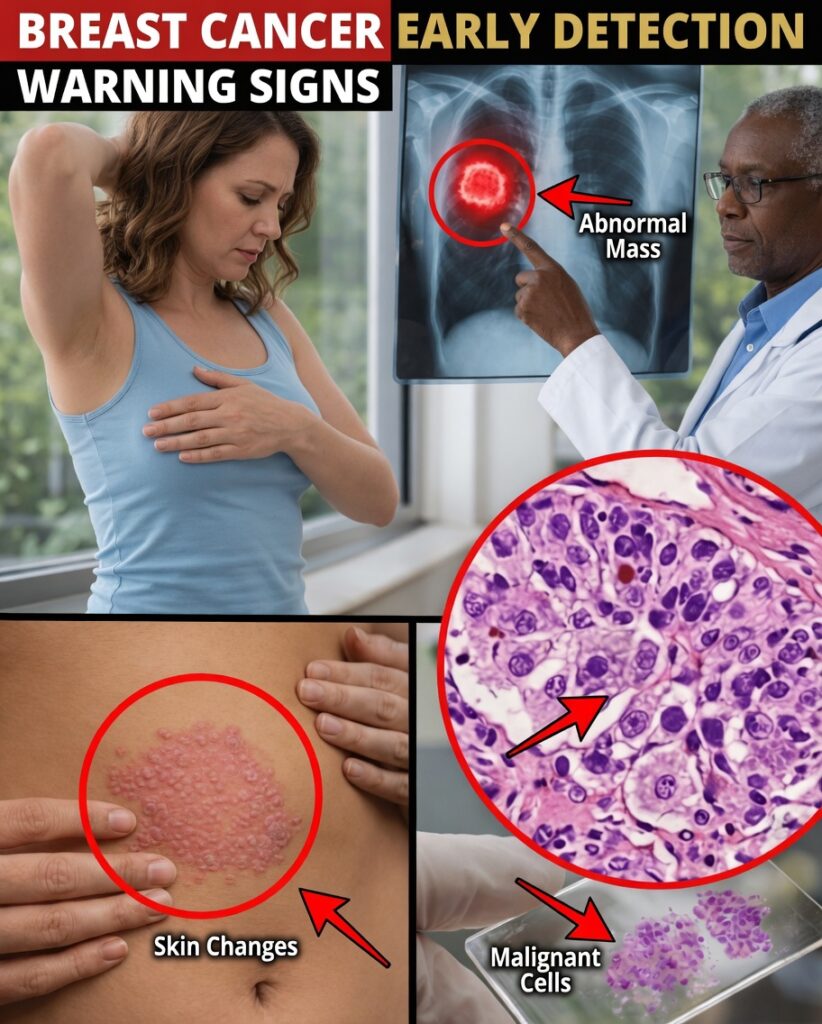
Do You Know the Silent Signs of Breast Cancer? Early Detection Can Save Your Life
Breast cancer affects millions of women every year—and it often begins quietly, without dramatic warning signs. Many people feel completely well and continue their normal routines until they notice small changes that seem harmless, yet may point to something more serious. The challenge is that subtle symptoms are easy to dismiss as aging, hormonal shifts, stress, or minor skin issues.
The good news: learning what’s normal for your body and paying attention to changes can make a life-saving difference. Early breast cancer detection greatly improves the odds of successful treatment, and awareness is one of the strongest tools you have to protect your health.
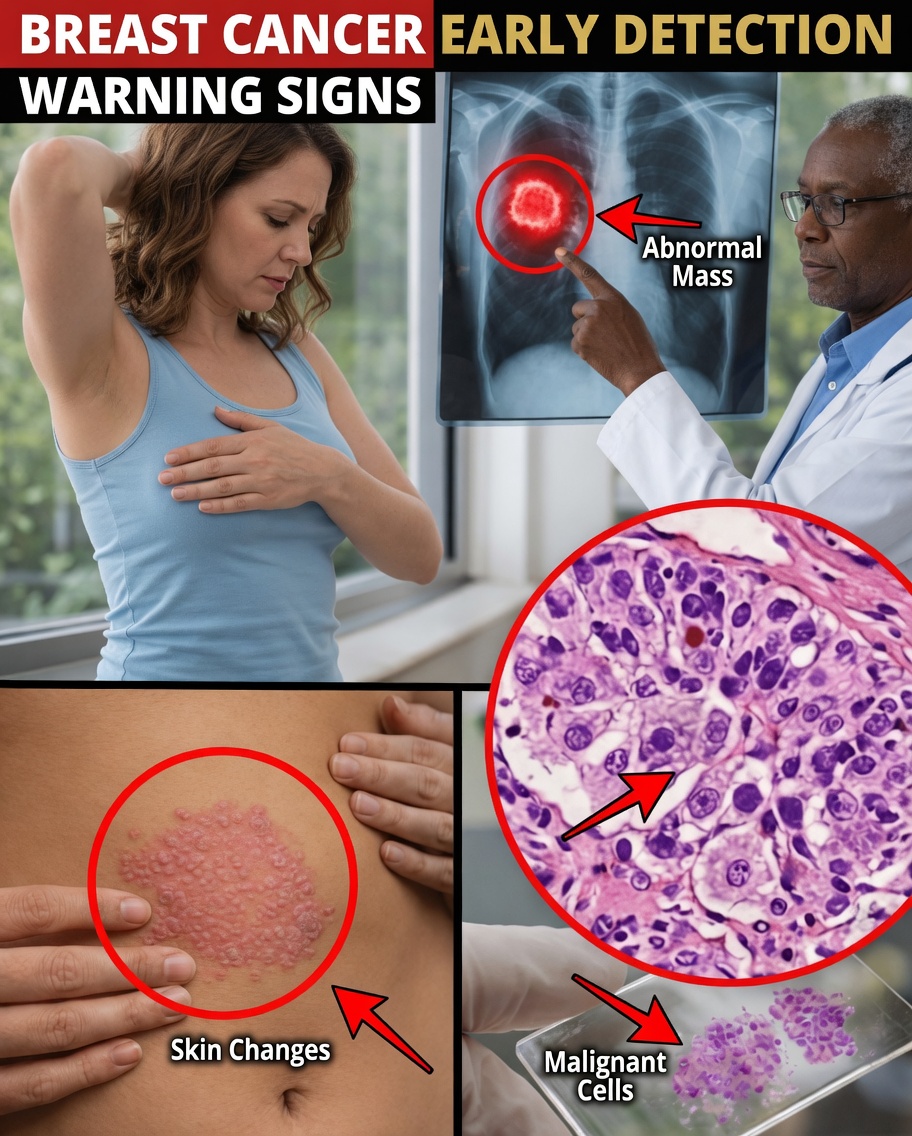
Why Recognizing Early Breast Cancer Signs Matters
Breast cancer doesn’t always produce clear symptoms in the beginning. In some cases, it’s found only during routine screenings such as mammograms. That’s why becoming familiar with the usual look and feel of your breasts can help you spot changes sooner.
A key reminder: not every change means cancer. Many breast changes are benign. Still, ignoring persistent or unusual signs can delay an important diagnosis.
10 Breast Cancer Warning Signs to Watch For
Below are common breast cancer symptoms that deserve attention. They may appear alone or in combination—what matters most is not brushing them off.
-
A new lump or thickening in the breast or armpit
- This is the most well-known sign. A lump may feel hard, uneven, or painless. Any new mass should be checked.
-
Changes in breast size or shape
- One breast may look larger, lower, or differently shaped without an obvious explanation.
-
Skin changes (an “orange peel” texture)
- Dimpling, puckering, wrinkling, or persistent redness can signal changes beneath the skin.
-
Nipple changes or unusual discharge
- A suddenly inverted nipple or discharge (with or without blood) should be evaluated promptly.
-
Swelling in the breast or armpit
- Swelling or firmness can occur even when no lump is easy to feel.
-
Ongoing, localized breast pain
- Breast pain often has benign causes, but persistent pain in a specific area should be investigated.
-
Flaking, scaling, or irritation on the nipple
- This can resemble eczema. If it doesn’t improve or keeps returning, seek medical advice.
-
Unexpected nipple retraction
- If the nipple starts turning inward without a known reason, it’s worth discussing with a clinician.
-
Persistent itching or irritation
- Especially around the nipple, ongoing irritation may be linked to rare but important conditions.
-
More visible veins or unusual surface changes
- Sudden prominence of veins or new surface changes can indicate underlying tissue changes.
How to Do a Monthly Breast Self-Exam
A monthly breast self-exam is a simple habit that can help you notice changes early. Try these steps:
-
In the shower
- Using your fingertips, feel the breast and underarm area in gentle circular motions.
-
In front of a mirror
- Look for differences in shape, swelling, nipple position, or changes in skin texture.
-
Lying down
- Place a pillow under one shoulder and examine the entire breast using smooth, light-to-firm pressure.
For many people, the best time is a few days after your period ends, when breasts are less tender or swollen. If you are postmenopausal, choose a consistent day each month.
Why Regular Screening Exams Are Essential
Self-exams are helpful, but they don’t replace medical screening. Tests such as mammography can detect changes before symptoms are noticeable. Many women around ages 40–45 and above should talk with a healthcare provider about the right screening schedule, especially if there is a family history or other risk factors.
Conclusion: Early Detection Is Self-Care, Not Fear
Catching breast cancer early isn’t about living in fear—it’s about taking care of yourself. Knowing the possible warning signs, staying aware of changes, and keeping up with regular screening can significantly improve the likelihood of early diagnosis and effective treatment.
If you notice any unusual or persistent changes, contact a healthcare professional. Your health deserves attention and priority.
Frequently Asked Questions
-
At what age should I start worrying about breast cancer?
Risk increases with age, but younger women should still pay attention to breast changes and warning signs. -
Can men get breast cancer?
Yes. It’s uncommon, but it can happen, and the symptoms are often similar. -
Does finding a lump always mean cancer?
Not necessarily. Many lumps are benign, but every new lump should be evaluated by a qualified professional.
Disclaimer: This content is for informational purposes only and does not replace medical advice. Always consult a qualified healthcare provider for proper evaluation and diagnosis.