Weak, Brittle Hair? This Natural Banana Peel Trick May Help Bring Back Vitality
Have you ever looked in the mirror and noticed more gray strands than you expected? That shift can affect confidence—especially when it comes alongside slow growth and hair that feels thinner than before. The frustration often gets worse after trying “natural miracle” recipes that don’t deliver. So is there a simple, natural approach that can genuinely help? Keep reading—you may be surprised by what banana peel can (and can’t) do for your hair.
The Viral Myth: Can Banana Peel Darken Hair Instantly?
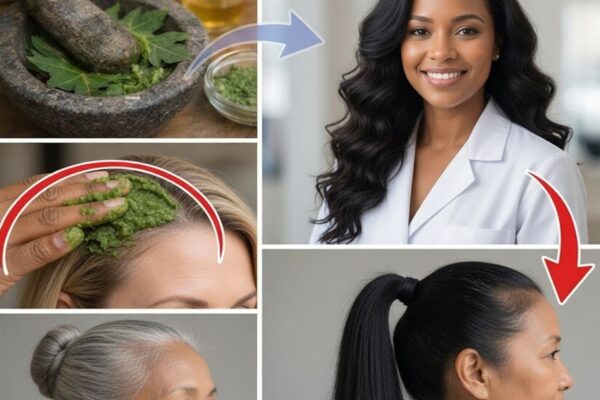
On social media, it’s common to see videos claiming banana peel can turn gray hair black in minutes. It looks impressive, but the science doesn’t support that kind of instant transformation.
Hair turns gray when melanin production drops—a process influenced by aging, stress, and genetics. At this time, there’s no solid scientific evidence that banana peel can quickly restore melanin or reverse graying directly.
That said, banana peel isn’t useless. Its value lies elsewhere: improving hair condition, shine, and scalp health.
Real Benefits of Banana Peel for Hair Health
Banana peel contains antioxidants, potassium, and silica—nutrients often linked to stronger-looking hair and a healthier scalp.
1) Stronger hair and natural shine
Silica supports collagen production, which can help hair feel more resilient and reduce breakage. With consistent use, hair may appear smoother and shinier.
2) Scalp nourishment
Potassium may support better scalp circulation, helping deliver nutrients to hair follicles. A healthier scalp environment can support healthier-looking growth over time.
3) The truth about gray strands
Even with these benefits, banana peel does not restore your natural pigment. Improved shine can make hair look richer or more vibrant, but it won’t change the actual color of gray hair.
How to Use Banana Peel in Your Hair Care Routine
Homemade nourishing hair mask
Ingredients:
- 1–2 ripe banana peels
- 1 banana
- 1 tablespoon coconut oil
- 1 teaspoon honey
Directions:
- Blend everything into a smooth paste.
- Apply to damp hair, gently massaging into the scalp.
- Leave on for 20–30 minutes.
- Rinse with cool water.
- Use 1–2 times per week.
Strengthening rinse (banana peel hair rinse)
Directions:
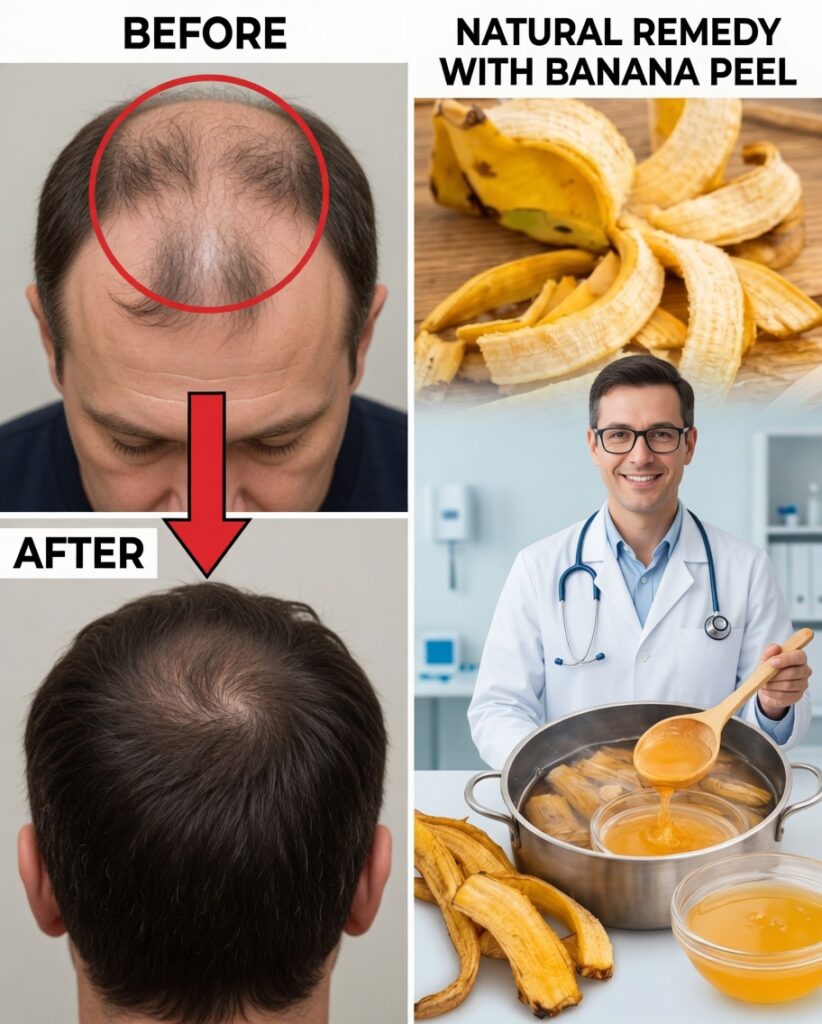
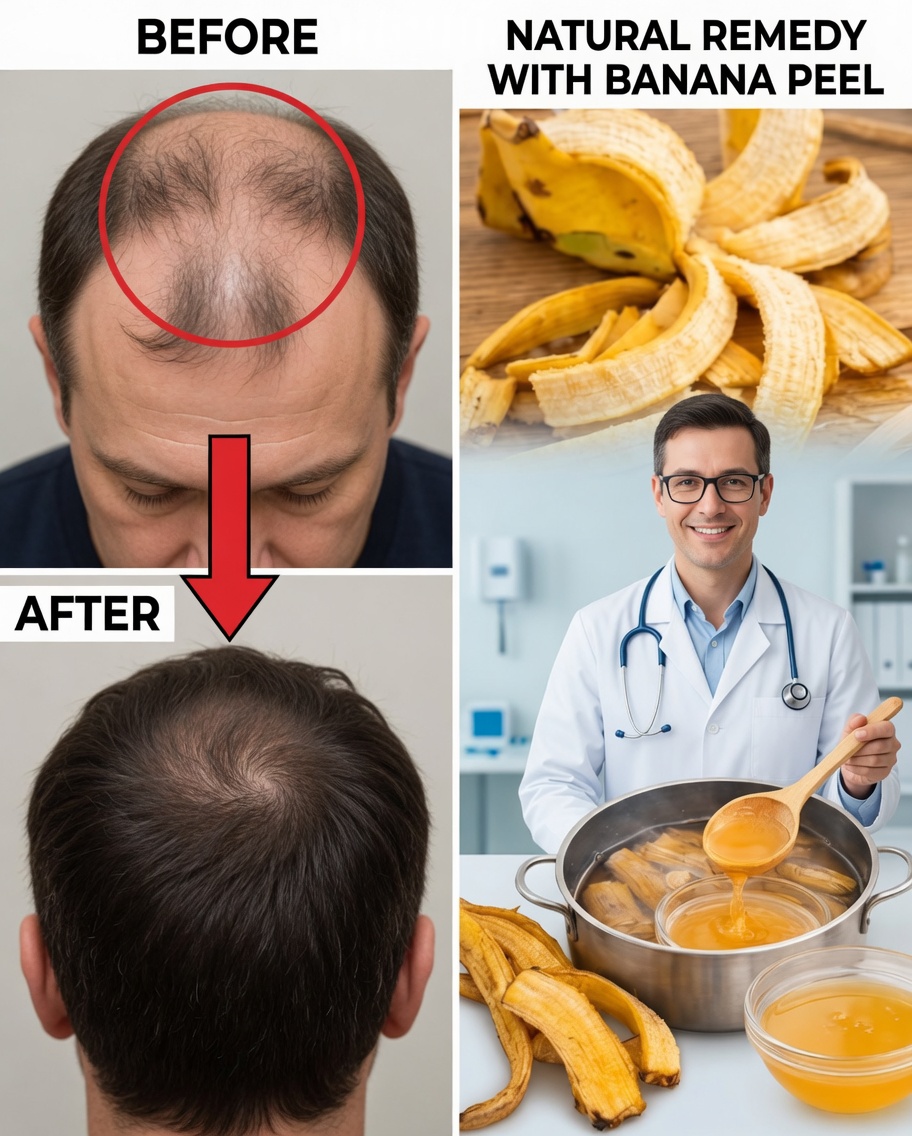
- Boil 2–3 banana peels in 2 cups of water for 10 minutes.
- Let it cool, strain, and use after shampooing.
- You can also pour it into a spray bottle and use it daily as a light mist.
Important: Always do a patch test on a small area first, especially if you have sensitive skin or allergies.
Natural Hair Care Comparison (What Each Option Does Best)
- Banana peel: boosts shine and provides light nourishment
- Coconut oil: deep hydration and softness
- Rosemary oil: often used to support growth and scalp stimulation
- B-vitamin-rich diet: may support pigmentation and overall hair health
How Long Until You See Results?
Results vary by hair type, routine, and overall health, but a typical timeline may look like this:
- Week 1: hair feels softer
- Weeks 2–4: improved texture and manageability
- Around 2 months: stronger, healthier-looking hair
Consistency matters most—natural hair care rarely works overnight.
Conclusion: A Natural, Realistic Approach
Banana peel isn’t a miracle cure for gray hair, but it can be a helpful ally for improving strength, scalp comfort, and shine—especially when used regularly. For best results, combine topical care with internal nutrition and healthy habits.
Extra tip: Eating bananas regularly can support hair health from the inside out, providing key vitamins and minerals.
Frequently Asked Questions
Does banana peel darken gray hair?
No. There is no scientific evidence that banana peel can darken gray hair or restore natural pigment.
How often should I use banana peel treatments?
Using a mask or rinse 1–2 times per week is generally enough.
Are there any side effects?
Side effects are uncommon, but irritation can happen. Do a sensitivity test first and discontinue if you notice redness or itching.
This article is for informational purposes and does not replace medical advice. If you have scalp conditions or significant hair loss, consult a qualified professional.