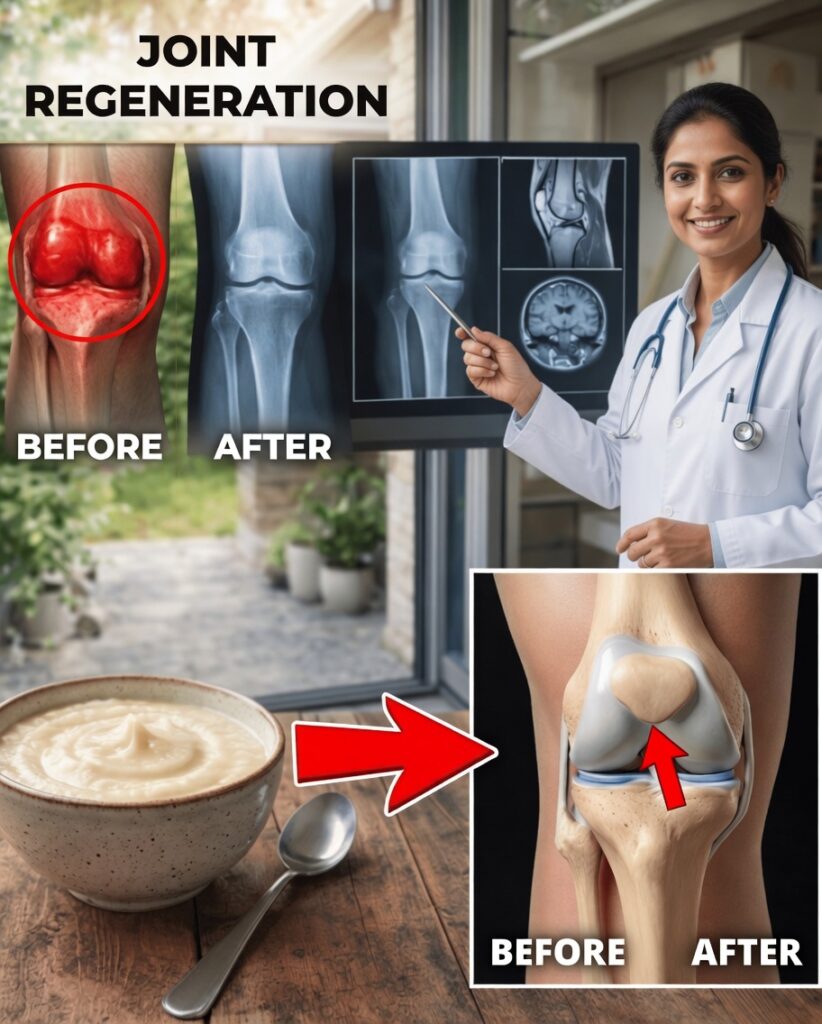
A Simple Food That May Support Cartilage Repair and Ease Joint Discomfort
As the years go by, many people notice stiffness or discomfort in their knees, making everyday tasks—like walking or climbing stairs—feel harder than they used to. This gradual wear of cartilage can be discouraging and may even raise fears about losing mobility. The good news: small, consistent upgrades to your daily diet may help protect your joints. Read on for natural, practical strategies that can make a real difference over time.
Knee Cartilage: What It Does and Why It Matters
Cartilage acts like a natural “shock absorber” between bones, helping joints move smoothly and reducing friction. With age, several factors can accelerate cartilage wear, including:
- Extra body weight
- Repetitive strain or high-impact activity
- Lifestyle habits that promote inflammation
While cartilage has limited ability to regenerate, research suggests that certain nutrients can support its structure and help maintain comfort. Nutrients involved in collagen formation, in particular, are central to joint resilience.
Collagen and Joint Health: The Essential Connection
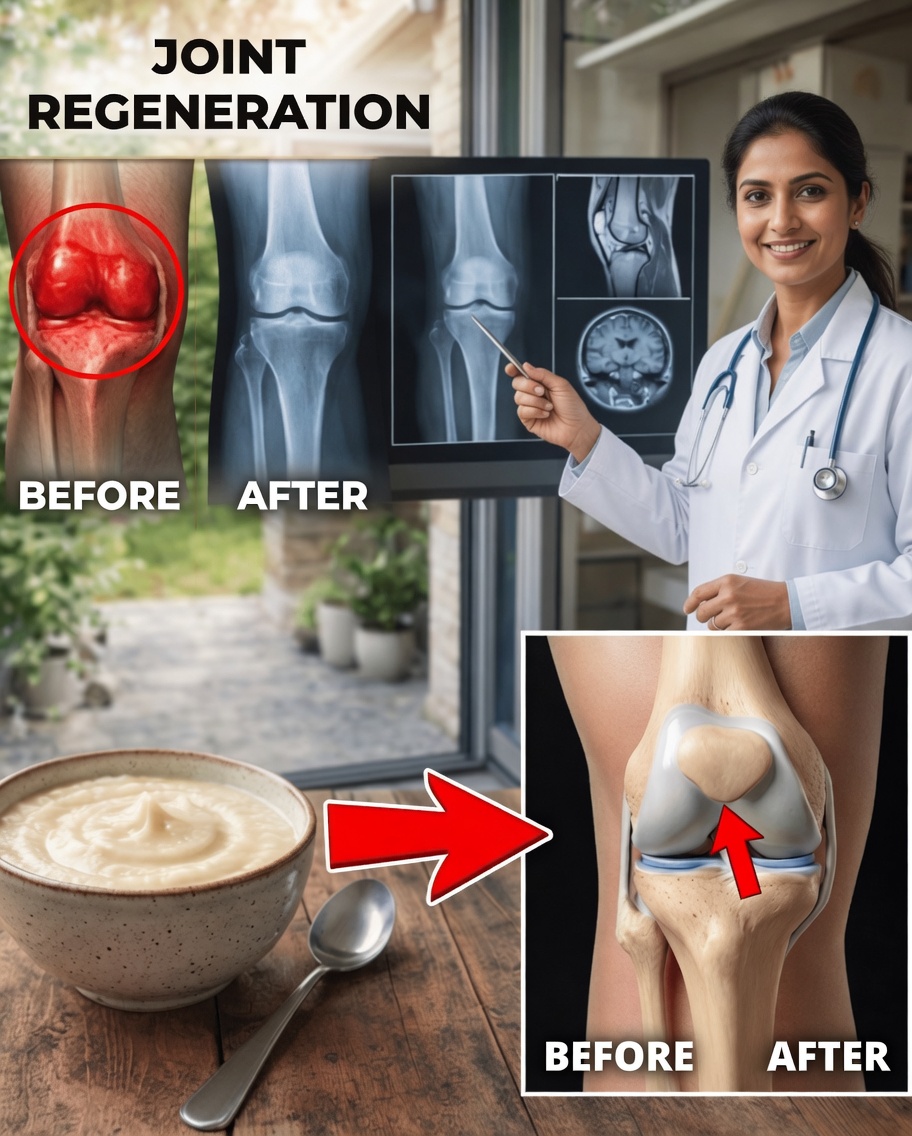
Collagen is the primary protein found in cartilage, responsible for strength, elasticity, and flexibility. As we get older, natural collagen production tends to decline—often leading to reduced joint comfort and mobility.
That’s why foods containing collagen, or the amino acids your body uses to build it, may help support joint tissues. One traditional option has gained renewed attention for this reason.
Why Bone Broth Stands Out
Bone broth is made by slowly simmering bones and connective tissues for many hours. This long cooking process releases:
- Collagen and gelatin
- Key amino acids such as glycine and proline
- Additional nutrients that support overall nourishment
Many people include bone broth regularly to support joint comfort and mobility. It’s also easy to use—add it to soups, cook grains with it, or sip it warm as a comforting drink.
Important note: benefits typically come from consistency. Don’t expect overnight changes.
Key Nutrients That Support Cartilage
Collagen is important, but it’s not the only player. A joint-supportive diet also includes:
- Omega-3 fatty acids: found in fatty fish like salmon; may help reduce inflammation
- Vitamin C: essential for collagen production (citrus fruits, berries)
- Antioxidants: found in turmeric and green tea; help protect tissues from oxidative stress
- Glucosamine and chondroitin: naturally present in broths and some seafood
Foods Worth Adding to Your Routine
To support joint health naturally, consider including:
- Bone broth
- Fatty fish (salmon, sardines)
- Leafy greens (spinach, kale)
- Citrus fruits and berries
- Nuts and seeds
- Turmeric and ginger
How to Make Bone Broth at Home
A simple homemade approach can be both cost-effective and nutrient-rich:
- Choose high-quality bones (ideally organic or responsibly sourced)
- Simmer gently for 12–24 hours with water, vegetables, and herbs
- Add a splash of vinegar to help draw minerals into the broth
- Aim for about 1 cup per day, depending on your needs and diet
- Store in frozen portions for convenient use
Habits That Improve Results
Diet works best when paired with supportive daily habits:
- Do low-impact exercise (walking, swimming, cycling)
- Maintain a healthy weight to reduce pressure on the knees
- Drink enough water, since cartilage is largely made of water and needs hydration to function well
Other Helpful Foods for Joint Support
Beyond the basics, foods like legumes, brown rice, broccoli, and green tea can also contribute to joint health by providing compounds that support lubrication, protection, and overall tissue function.
Conclusion
Taking care of your joints doesn’t require extreme changes—just consistent, sustainable choices. Adding collagen-supportive foods like bone broth, along with a balanced diet and healthy habits, may help keep your knees stronger and more comfortable over the years.
Start with one small change today—your future mobility may depend on it.