Tired of Milia? A Gentle Method to Clear and Restore Your Skin Without Damage
Have you ever looked in the mirror and noticed tiny white bumps that seem to appear out of nowhere—especially around the eyes or on the cheeks? They can make skin look uneven and even affect your confidence. Because they resemble breakouts, many people assume they’re acne. Yet these small “grains” can linger for months, even with a consistent cleansing routine. After 30, they may seem to show up more often—an unwelcome reminder of time.
The good news: you can improve skin texture safely and gradually. Read through to the end to learn a simple, dermatologist-approved habit that helps prevent milia over the long term.
Not Acne: What Milia Actually Are
These bumps are called milia—tiny cysts filled with keratin. Unlike acne, milia are not primarily caused by excess oil or bacteria. They form when keratin becomes trapped beneath the skin’s surface.
Trying to squeeze them or using harsh products often backfires, leading to:
- Irritation and redness
- Increased sensitivity
- Potential scarring, especially around delicate areas like the eyes
Why Milia Appear
Milia typically fall into two main categories:
- Primary milia: develop naturally when dead skin cells build up and become trapped
- Secondary milia: can occur after skin damage, such as excessive sun exposure, irritation, or the use of heavy/occlusive products
They’re especially common around the eyes, nose, and cheeks, where skin tends to be thinner. Thick creams and highly occlusive formulas can worsen the issue by “sealing in” keratin and slowing natural shedding.
Be Careful With Viral DIY Remedies
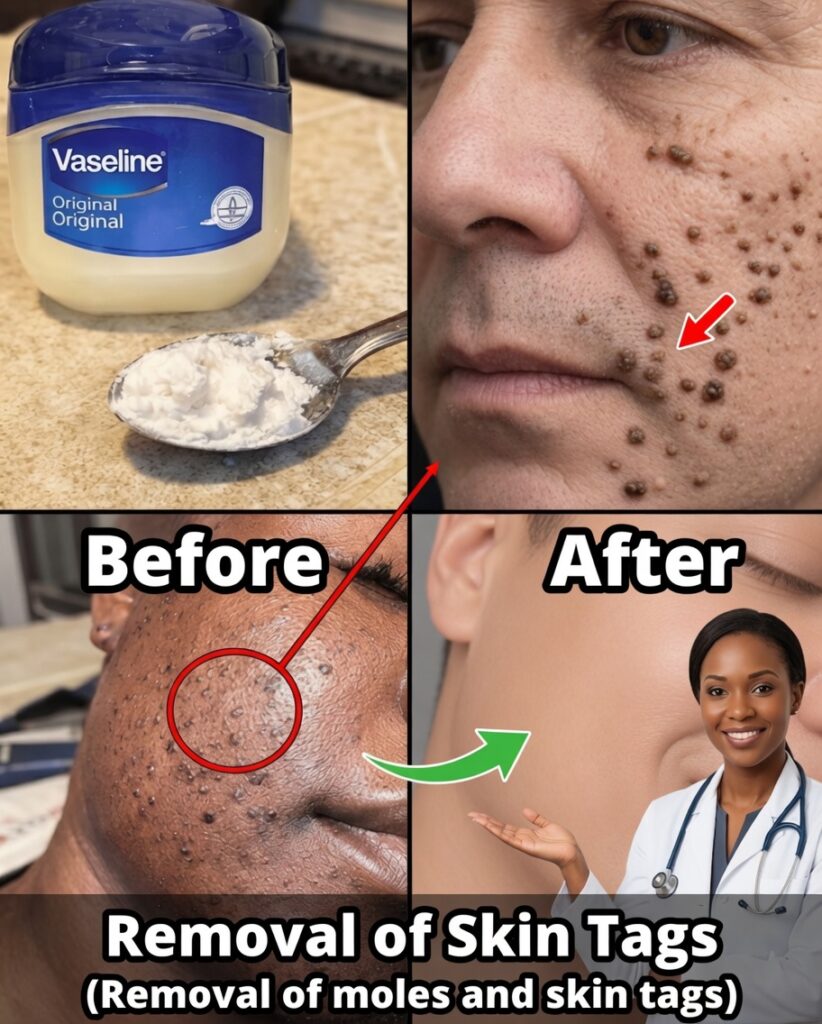
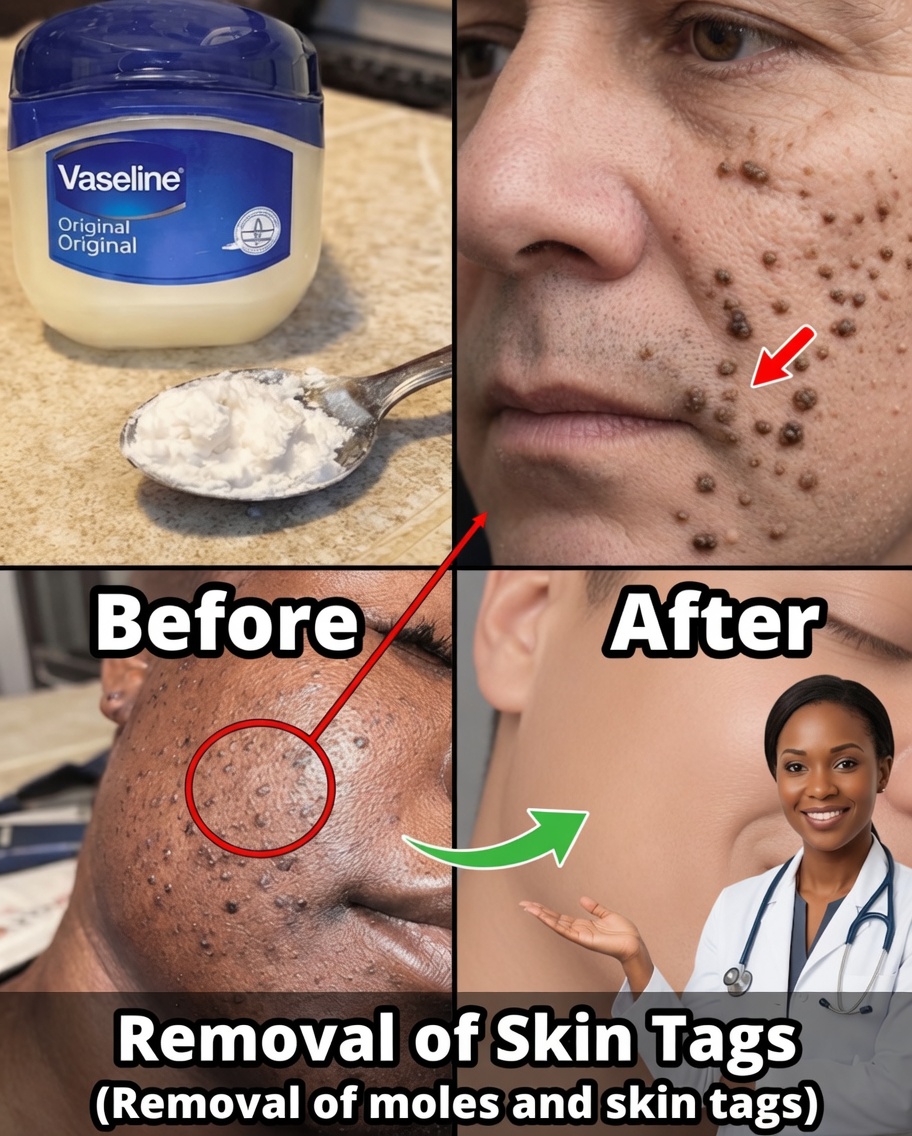
Trendy home mixtures—like petroleum jelly with baking soda or coffee scrubs—may sound harmless, but they can be risky. Abrasive or alkaline ingredients can disrupt the skin barrier and throw off the skin’s pH, causing irritation—particularly in sensitive areas.
A Natural, Safe Approach to Smoother Skin
To reduce the appearance of milia gradually while supporting healthy skin, focus on gentle consistency:
- Mild exfoliation: choose low-strength exfoliants such as fruit acids (AHAs) in gentle concentrations
- Natural retinol options or plant-based alternatives: support cell turnover and smoother texture over time
- Lightweight hydration: use non-comedogenic moisturizers to avoid trapping debris
- Daily sun protection: essential to reduce damage that can contribute to secondary milia
Natural tip: warm compresses with chamomile tea may help soften the skin and support natural renewal.
A Simple Daily Routine
Keep your routine minimal and skin-friendly:
- Wash your face with a gentle cleanser
- Apply a light moisturizer
- Avoid very thick products near the eye area
- Don’t squeeze, pick, or poke the bumps
- Drink plenty of water to support overall skin balance
When to Seek Professional Help
If milia don’t improve or keep returning, a dermatologist can remove them safely using sterile techniques. Avoid attempting removal on your own, as the risk of irritation and scarring is higher than most people expect.
A Natural Plan You Can Start Today
Use this simple reset to reduce triggers and support smoother skin:
- Review your current skincare routine
- Cut back on heavy, occlusive products
- Add gentle exfoliation twice per week
- Moisturize lightly and consistently
- Protect your skin every day with sunscreen
Conclusion
Milia are common and harmless, but they can be frustrating. With patience and gentle, natural skincare habits, you can improve your skin’s texture safely. Skip aggressive “quick fixes”—the real results come from consistency.
Final expert tip: applying a thin layer of a lightweight moisturizer at night helps maintain skin balance and can reduce the chances of new milia forming.