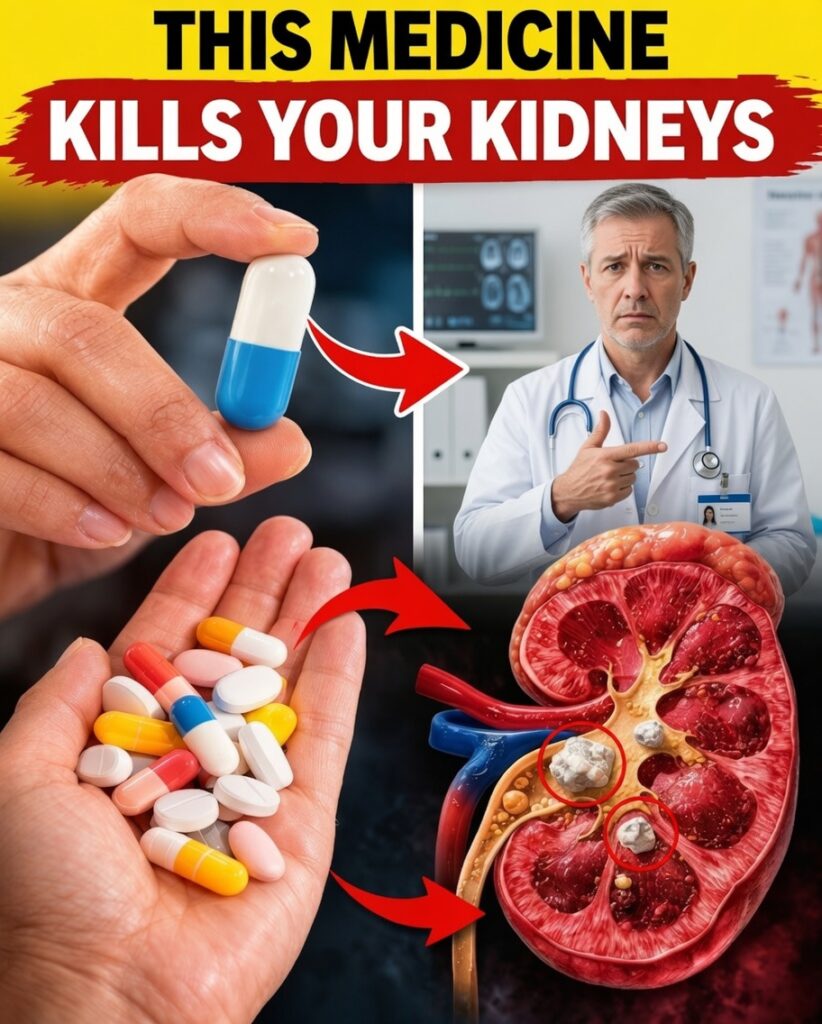
Your Kidneys May Be Suffering Quietly From Common Medications—Here’s How to Protect (and Even Support) Them Before It’s Too Late
You take a pill for pain, high blood pressure, or an infection and feel better fast—but behind the scenes, your kidneys may be absorbing a hidden cost. These bean-shaped organs work around the clock to filter waste, balance fluids, and help regulate blood pressure. The problem is that many widely used drugs can reduce kidney blood flow, injure kidney cells directly, or trigger inflammation—leading to acute kidney injury or long-term decline.
Your risk rises quickly if you’re dehydrated, over 60, or living with diabetes or hypertension. Research also shows that drug-related kidney problems account for a meaningful share of hospital admissions. What makes this especially concerning: kidney damage may begin without obvious symptoms.
Keep reading—at the end, you’ll find one simple habit that can significantly lower this risk.
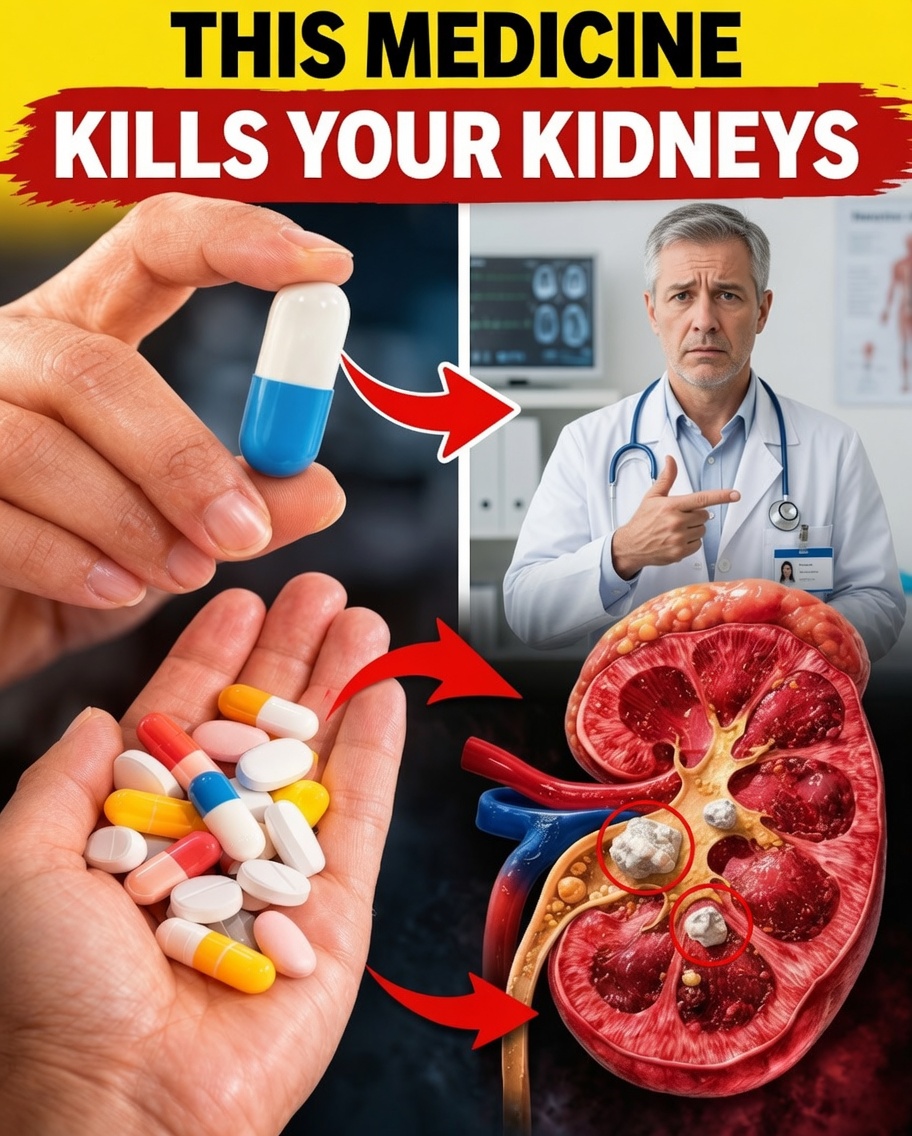
The 8 Medications That Can Harm Your Kidneys
8) Proton Pump Inhibitors (PPIs)
Medications such as omeprazole and esomeprazole are commonly used for acid reflux. However, long-term use has been associated with silent inflammation and a higher risk of chronic kidney disease in some people. When possible, PPIs are best used at the lowest effective dose for the shortest necessary time.
7) Certain Antibiotics (e.g., Gentamicin)
Some powerful antibiotics can be life-saving, yet they may accumulate in kidney tissue and cause direct toxicity—especially with higher doses or prolonged treatment. Close medical supervision is essential, particularly for longer courses.
6) Diuretics (e.g., Furosemide)
Often called “water pills,” diuretics help remove excess fluid. If they lead to dehydration or electrolyte imbalances, kidney function can suffer. Staying adequately hydrated and following dosing guidance is key.
5) ACE Inhibitors and ARBs (e.g., Lisinopril, Losartan)
These blood pressure medications can be kidney-protective in many situations, especially in diabetes and hypertension. However, if you become dehydrated or combine them with certain other drugs, they may reduce kidney filtration temporarily. Regular monitoring by a clinician is important.
4) Acetaminophen (Paracetamol)
Acetaminophen is generally considered safe when taken correctly. But overuse, high cumulative doses, or mixing it with alcohol can increase the risk of kidney stress over time.
3) NSAIDs (Ibuprofen, Naproxen)
Nonsteroidal anti-inflammatory drugs reduce pain and inflammation, but they can also decrease blood flow to the kidneys. Frequent or long-term use may accelerate kidney problems—particularly in older adults or those with existing risk factors.
2) Radiologic Contrast (Contrast Dye for Imaging)
Contrast agents used in tests like CT scans can trigger contrast-induced kidney injury, especially in people with diabetes or pre-existing kidney disease. A proven protective strategy is proper hydration before and after the procedure (as directed by your healthcare team).
1) Chemotherapy Drugs (e.g., Cisplatin)
Certain chemotherapy medications are essential for treating cancer, yet they can cause substantial kidney toxicity. This is why oncology protocols often include aggressive hydration plans and frequent kidney function monitoring.
How to Protect Your Kidneys Starting Today
- Review all medications (prescriptions, OTC drugs, and supplements) with a healthcare professional on a regular basis
- Stay well-hydrated—light, pale urine is often a helpful sign for many people
- Avoid prolonged NSAID use, especially if you have risk factors
- Schedule routine kidney function tests (blood and urine checks)
- Watch for warning signs such as swelling, unusual fatigue, or changes in urination
Conclusion
This list highlights an important reality: even necessary, effective treatments can affect kidney health if they’re used without the right precautions. The goal isn’t fear—it’s awareness. With informed choices and a few daily habits, you can meaningfully reduce the risk of medication-related kidney damage and support long-term kidney function.
The simple habit that lowers risk: Stay consistently hydrated, especially during illness, hot weather, or when using medications known to affect the kidneys (unless your clinician has told you to restrict fluids).
Frequently Asked Questions
Can I stop my medication on my own?
No. Never stop or change a medication without speaking to your doctor or pharmacist first.
Are “natural” supplements safer for the kidneys?
Not always. Some supplements can also harm the kidneys or interact with medications. Always check ingredients and consult a professional.
How often should I have kidney tests?
At least once per year, or more often if you have risk factors such as diabetes, hypertension, age over 60, or a history of kidney issues.
Disclaimer: This content is for informational purposes only and does not replace professional medical advice. Always consult a qualified healthcare provider before starting, stopping, or changing any treatment.