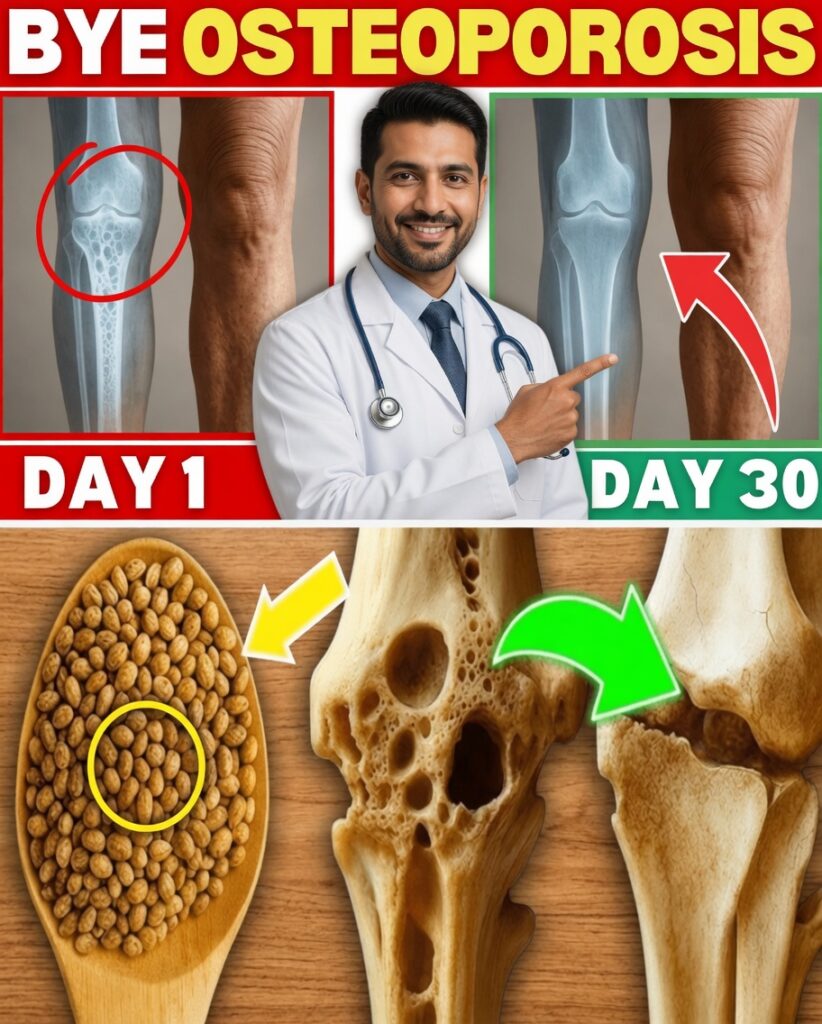
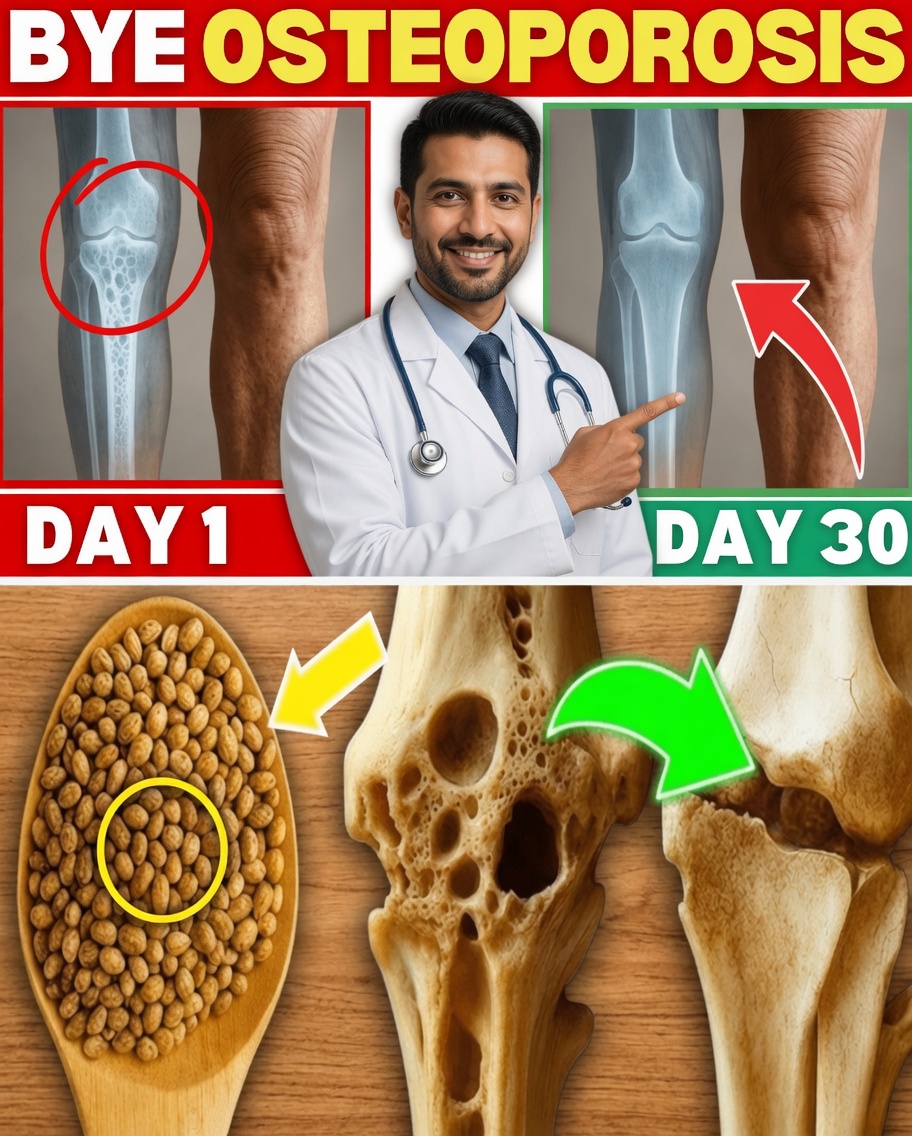
Strengthen Your Bones Naturally in 30 Days: Simple Habits That Add Up
Commit to these natural daily practices for the next 30 days, and you may notice steadier posture, less discomfort, and a stronger, more confident body.
Do your joints feel less reliable as the years pass? Have you ever caught yourself thinking that one small fall could have serious consequences? If you’re over 50, bone loss can progress quietly, affecting not just physical strength—but also independence and peace of mind. The encouraging news is that supporting bone health doesn’t have to mean relying only on supplements or punishing workouts. With consistent, natural routines, you can create the conditions your body needs to maintain—and potentially rebuild—bone strength.
Why Osteoporosis Feels “Silent” (Until It Doesn’t)
Osteoporosis is often described as a silent disease because it may develop without clear warning signs. Many people only discover the problem after a fracture. As bone density declines, it can contribute to:
- Persistent aches and stiffness
- Changes in posture (including a more “collapsed” stance)
- Reduced mobility and confidence in movement
Many people respond with calcium tablets or intense gym programs. Those tools can help, but they often overlook the bigger picture: long-term bone health depends on a balanced foundation—movement, nutrition, sleep, stress regulation, and emotional well-being working together.
A Whole-Body Approach Inspired by Dr. Shigeaki Hinohara’s Philosophy
Dr. Shigeaki Hinohara—one of Japan’s longest-practicing physicians—emphasized health practices rooted in consistency, enjoyment, and mindful living. Applied to bone health, the message is clear: strong bones aren’t built through force alone. They’re supported by small actions repeated daily.
15 Natural Habits That Support Bone Density, Posture, and Comfort
1. Choose Movement You Enjoy (Not Movement You Dread)
Skip the pressure to “go hard.” Instead, do what feels sustainable—walking, dancing, gentle stretching, or light mobility work. Regular movement helps activate bone-building processes and improves balance, lowering fall risk.
2. Eat Mineral-Rich, Alkaline-Friendly Foods
Focus on foods that naturally supply key bone nutrients, especially:
- Dark leafy greens
- Vegetables rich in supportive minerals
- Fermented foods (including natto, known for vitamin K2 content)
Vitamin K2 helps guide calcium into bones, making it more effective than calcium intake alone.
3. Make Sleep a Non-Negotiable Recovery Tool
Your body repairs tissue during deep sleep—including the structures that support bones. Improve sleep quality by:
- Reducing screen time before bed
- Taking a calm evening walk
- Drinking a caffeine-free herbal tea
4. Walk 20 Minutes Daily With Better Awareness
A mindful walk—upright posture, steady steps, relaxed breathing—can improve circulation and provide gentle bone stimulation. Prioritize consistency and alignment, not speed.
5. Use Anti-Inflammatory Herbs and Spices
Chronic inflammation can quietly contribute to bone loss. Add these regularly to meals or tea:
- Turmeric
- Ginger
- Cinnamon
6. Practice Deep Breathing to Support Hormonal Balance
Long-term stress increases cortisol, which can weaken bones over time. Gentle breathing exercises can help regulate stress response—especially important after age 50.
7. Build Strength Slowly and Safely
Light resistance work supports bones and muscles without excessive strain. Consider:
- Resistance bands
- Bodyweight exercises
- Light weights with controlled form
The goal is progress over time, not intensity in a single session.
8. Drink Green Tea Daily for Antioxidant Support
Green tea provides antioxidants that help protect the body from oxidative stress, supporting overall vitality and potentially benefiting bone health.
9. Get Natural Sunlight for Vitamin D
Just 10–15 minutes of daylight can help your body produce vitamin D, which is essential for calcium absorption and bone metabolism.
10. Eat Enough High-Quality Protein
Protein forms part of bone’s structure. Aim for natural sources such as:
- Tofu and legumes
- Seeds and nuts
- Fish and other clean animal proteins (if included in your diet)
11. Improve Your Posture to Reduce Compression
Posture can influence comfort and spinal loading. Simple alignment drills—like standing against a wall and stacking head, ribs, and hips—can help support a taller, stronger stance.
12. Stay Socially Connected
Emotional health affects physical health. Meaningful connection can reduce stress, improve mood, and indirectly support healthier habits that protect bones.
13. Add Magnesium-Rich Foods
Magnesium works alongside calcium in bone support. Include:
- Nuts and seeds
- Whole grains
- Other magnesium-rich whole foods
14. Laugh More—It’s a Real Health Tool
Laughter helps lower stress hormones and supports circulation. It’s small, but over time, it contributes to a healthier internal environment.
15. Keep Learning and Stay Curious
A curious mind often leads to a more active lifestyle—trying new routines, staying engaged, and maintaining momentum that supports long-term strength.
The Real “Secret” Is the Combination
No single tip is magic. The power comes from the synergy of multiple small habits—movement, nutrition, recovery, stress reduction, and connection—working together day after day.
Picture yourself 30 days from now: standing taller, moving with more confidence, and feeling stronger from the inside out. Doing nothing carries real risk, but consistent action creates real opportunity.
Start Today With One Habit
Pick one practice from the list and begin today. Once it feels easy, add another. Over time, these simple routines can become the foundation for stronger bones, better posture, and a more resilient life.