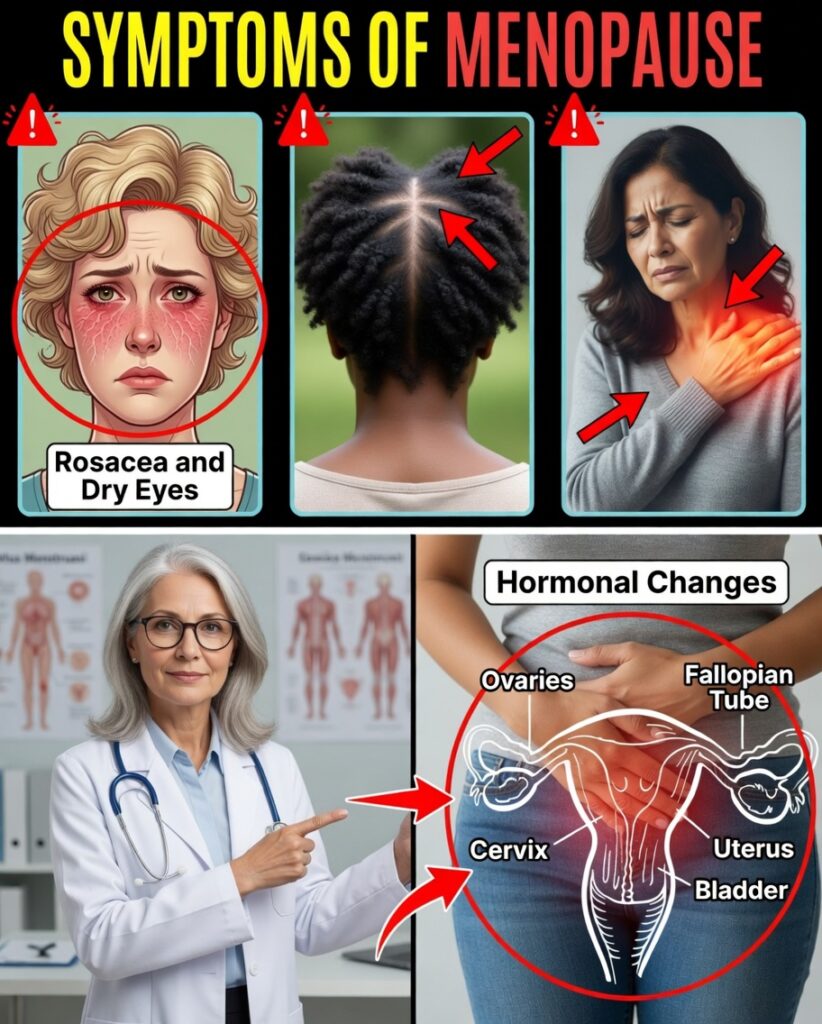
Menopause Warning Signs Many Women Overlook—Until They Find Natural Relief
Have you been waking up feeling unlike yourself—more tired, easily irritated, or simply “not quite right”—without a clear explanation? These shifts often aren’t random. For many women over 40, they’re signals that the body is transitioning and asking for support. Understanding what’s happening can be the first step toward feeling steady and in control again.
Menopause is frequently associated only with hot flashes, but the reality is far broader. As estrogen levels decline and hormones fluctuate, changes can ripple through nearly every system in the body—affecting mood, sleep, metabolism, skin, joints, and more. These symptoms are real, common, and often misunderstood.
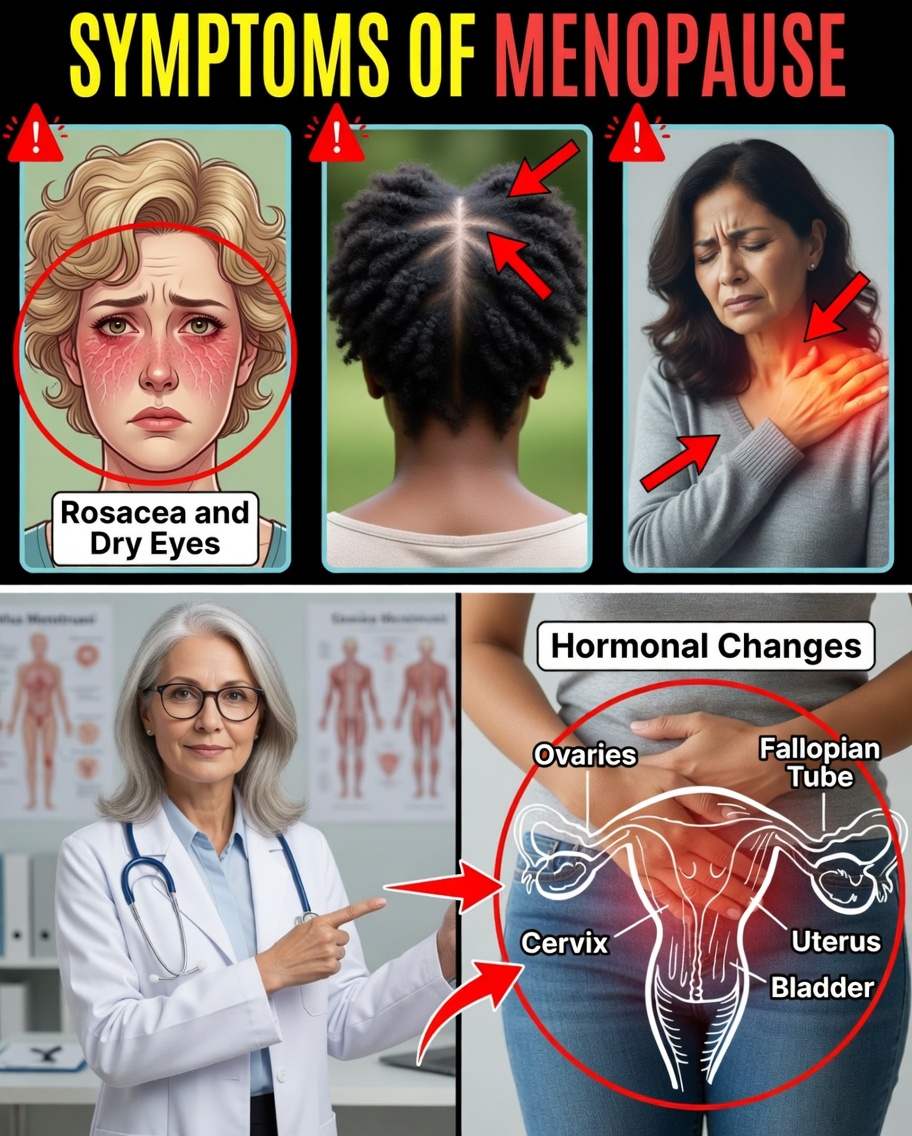
14 Commonly Missed Menopause Symptoms
-
Heart Palpitations
A sudden pounding, fluttering, or racing heartbeat can feel unsettling. Hormonal shifts may influence heart rhythm and make palpitations more noticeable. -
Night Sweats
Waking up overheated or soaked can disrupt deep sleep, leaving you drained and foggy the next day. -
Brain Fog
Trouble concentrating, losing your train of thought, or feeling mentally “slow” can become an unexpected daily frustration. -
Joint Pain and Stiffness
Achy, tight joints may appear or worsen and can sometimes resemble early arthritis symptoms. -
Mood Swings
Irritability, sadness, or heightened emotional sensitivity can be tied to changing hormone levels—not personal weakness. -
Hair Thinning
Hair may shed more easily or lose volume over time, which can affect self-image and confidence. -
Dry Skin
Skin can feel rougher, less elastic, and more dehydrated as collagen support and moisture retention change. -
Persistent Fatigue
Low energy that doesn’t improve much with rest is one of the most reported menopause-related complaints. -
Weight Gain (Especially Around the Abdomen)
A slower metabolism combined with hormonal changes can make weight easier to gain and harder to lose. -
Anxiety
New or intensified worry, tension, or nervousness can appear without an obvious trigger. -
Digestive Discomfort
Increased bloating or gut sensitivity may occur as hormones influence digestion and gut function. -
Memory Lapses
Forgetting small details, names, or appointments can become more frequent and harder to ignore. -
Bone Density Decline
Lower estrogen can weaken bones over time, increasing the risk of fractures later in life. -
Lower Libido
Desire and intimacy can shift as hormones change, sometimes alongside dryness or discomfort.
Why Menopause Symptoms Often Feel Overwhelming
What makes menopause particularly challenging is how connected these symptoms can be. Sleep disruption can worsen mood, brain fog can increase anxiety, and metabolic changes can affect energy and confidence. Focusing on only one symptom may not be enough—many women benefit most from a whole-body approach that combines lifestyle support, nutrition, and self-awareness.
Simple, Natural Ways to Support Your Body
- Add flaxseeds to meals to support hormonal balance through plant-based compounds and healthy fats
- Move daily with gentle options like walking, stretching, or yoga
- Hydrate consistently and prioritize whole, nutrient-dense foods
- Track symptoms to spot patterns and identify triggers (sleep, stress, certain foods)
- Consider evening primrose oil only after consulting a qualified professional
A Healthier Next Month Can Start Today
Picture yourself 30 days from now—sleeping more deeply, thinking more clearly, and feeling more like yourself again. That outcome becomes far more realistic when you recognize menopause symptoms early and respond with steady, supportive habits.
Don’t brush off the signs. Pay attention, take action, and share this with someone who may need clarity and reassurance. The first step toward feeling better is understanding what your body is trying to tell you.