5 Natural Foods That May Help Lower Blood Pressure, Boost Circulation, and Protect Your Heart—Start Today
As we get older, it’s common to worry about blood circulation. The thought of sluggish blood flow or plaque building up in the arteries can feel unsettling—especially if your daily energy is dropping or heart issues run in your family. It’s frustrating to feel held back by something you can’t see, happening quietly inside your body.
The encouraging news is that small, practical nutrition choices can meaningfully support cardiovascular health. Research suggests that certain nutrient-dense foods can naturally promote healthier blood flow and support heart function. Even better, the options below are widely studied and easy to add to everyday meals—keep reading to see which foods stand out.
Why Artery Health Matters
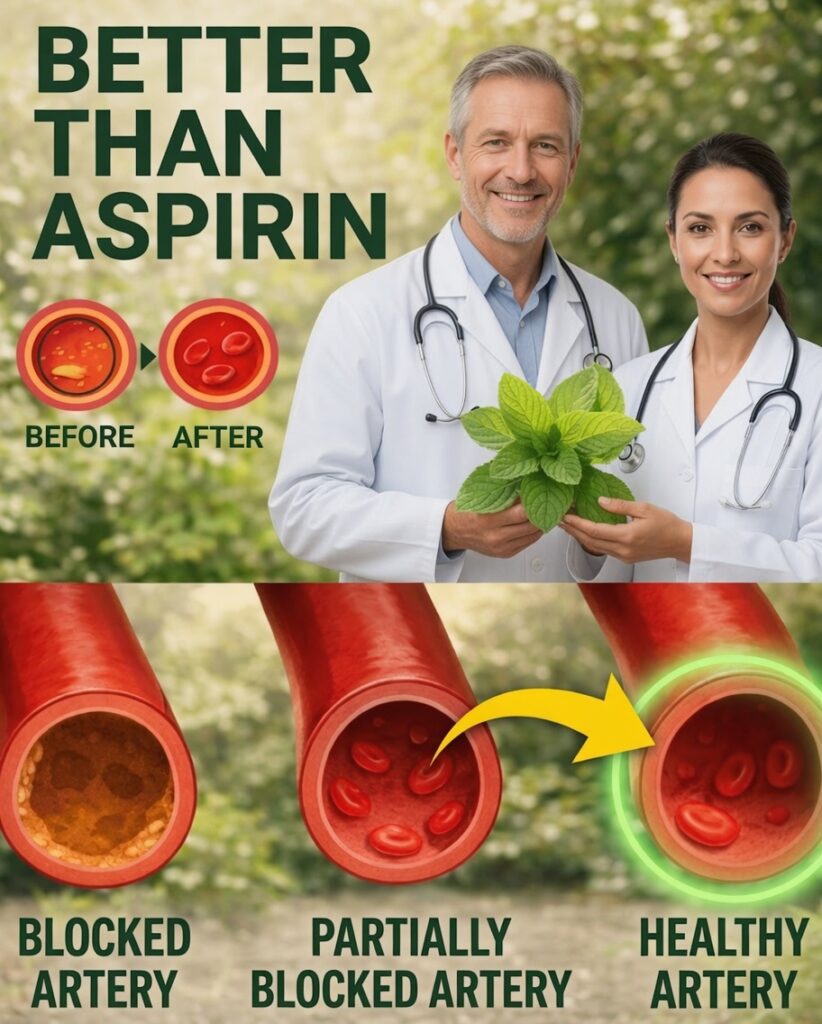
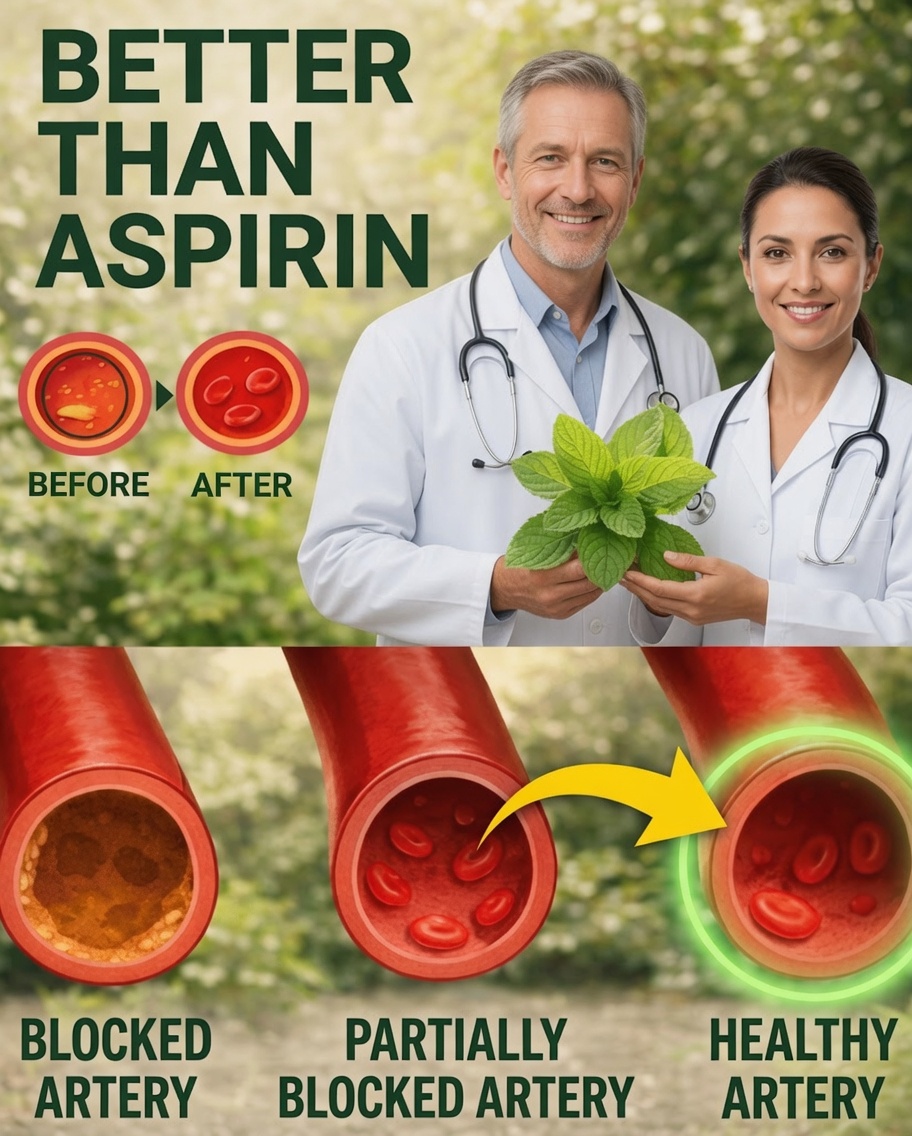
Your arteries act like highways, delivering oxygen-rich blood throughout the body. Over time, issues such as inflammation, oxidative stress, and plaque buildup can narrow or stiffen these pathways.
When circulation declines, the effects can show up in many ways—lower energy, reduced endurance, and strain on organs that depend on steady blood flow.
Studies indicate that diets rich in antioxidants, natural nitrates, and anti-inflammatory compounds can help keep arteries more flexible and blood flow more efficient. When these foods become regular habits, they can provide gentle, ongoing support for long-term heart health.
Top Foods to Improve Circulation Naturally
1. Garlic: A Powerful Cardiovascular Supporter
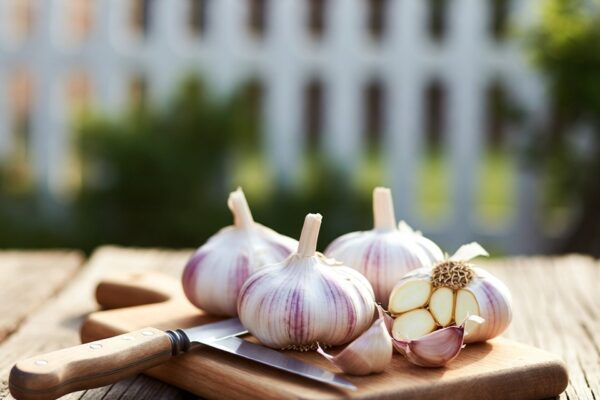
Garlic does far more than add flavor. It has been extensively researched for heart and circulation benefits. Its key compound, allicin, is associated with blood vessel relaxation and may support healthy platelet function.
How to use garlic:
- Crush or chop garlic and let it sit for about 10 minutes before cooking (to help form allicin)
- Add it to soups, sauces, roasted vegetables, and marinades
- Aim for 1–2 cloves daily, as part of meals
2. Ginger: Warming, Anti-Inflammatory Support
Ginger is known for its anti-inflammatory properties and contains naturally occurring salicylates, which may help support healthy circulation and overall vascular comfort.
Easy ways to add ginger:
- Drink ginger tea regularly
- Blend into smoothies or stir into warm dishes
- Use fresh ginger or powdered ginger based on preference
3. Turmeric: “Nature’s Gold” for Inflammation Control
Turmeric’s active compound, curcumin, is a potent antioxidant widely studied for its role in helping manage inflammation—one of the key factors linked to artery and heart concerns.
Best ways to take turmeric:
- Pair with black pepper to improve absorption
- Use in golden milk, soups, curries, and warm meals
- A common food-based target is about 1 teaspoon per day
4. Beets: A Natural Source of Dietary Nitrates
Beets are rich in nitrates, which the body can convert into nitric oxide—a molecule that helps widen blood vessels and support smoother blood flow.
How to eat more beets:
- Roast and add to salads or grain bowls
- Try beet juice, starting with small amounts to assess tolerance
- Many people aim for about 1 cup per day in food form
5. Berries: Antioxidant Protection for Blood Vessels
Blueberries, strawberries, and other berries are packed with flavonoids, antioxidants associated with vascular protection and overall heart-friendly nutrition.
Simple ways to include berries:
- Add to yogurt, oatmeal, or cereal
- Keep frozen berries for quick snacks
- Blend into smoothies or use in lighter desserts
Practical Tips to Start Today
If you want results that last, consistency matters more than perfection. Use these strategies to make the habit easy:
- Start small: add one new food per week
- Mix and match: include 2–3 of these foods daily
- Choose fresh, minimally processed options when possible
- Combine ingredients (for example: garlic + turmeric in warm meals)
- Pay attention to how your body responds over time
Steady routines tend to bring the strongest benefits—often building gradually over weeks.
Why These Foods Stand Out
You might wonder whether these foods truly make a difference. Research suggests that options such as garlic and ginger can provide meaningful, natural support—often aligning with common cardiovascular wellness goals, while generally being well tolerated in food amounts.
In addition, studies repeatedly show that plant-rich diets tend to outperform isolated, short-term fixes when it comes to long-term heart and circulation health.
When combined, these foods can work together in a complementary way—an example of the “food as medicine” approach many health experts emphasize.
Conclusion
Adding garlic, ginger, turmeric, beets, and berries to your routine is a delicious, natural way to support circulation, artery health, and heart function.
Start today—over time, your body may respond with better energy, improved vitality, and stronger cardiovascular resilience.
Frequently Asked Questions
1. How long does it take to see results?
Some people notice changes within a few weeks, but the most consistent improvements often appear around 4–12 weeks, especially with regular intake.
2. Can these foods replace medication?
No. These foods can support cardiovascular health, but they do not replace prescribed medical treatment.
3. Are there side effects?
In typical food amounts, they are generally safe. However, very large quantities may cause digestive discomfort for some people.
Disclaimer: This content is for informational purposes only and does not replace medical advice. Speak with a qualified healthcare professional before making dietary changes—especially if you have medical conditions or take medications.