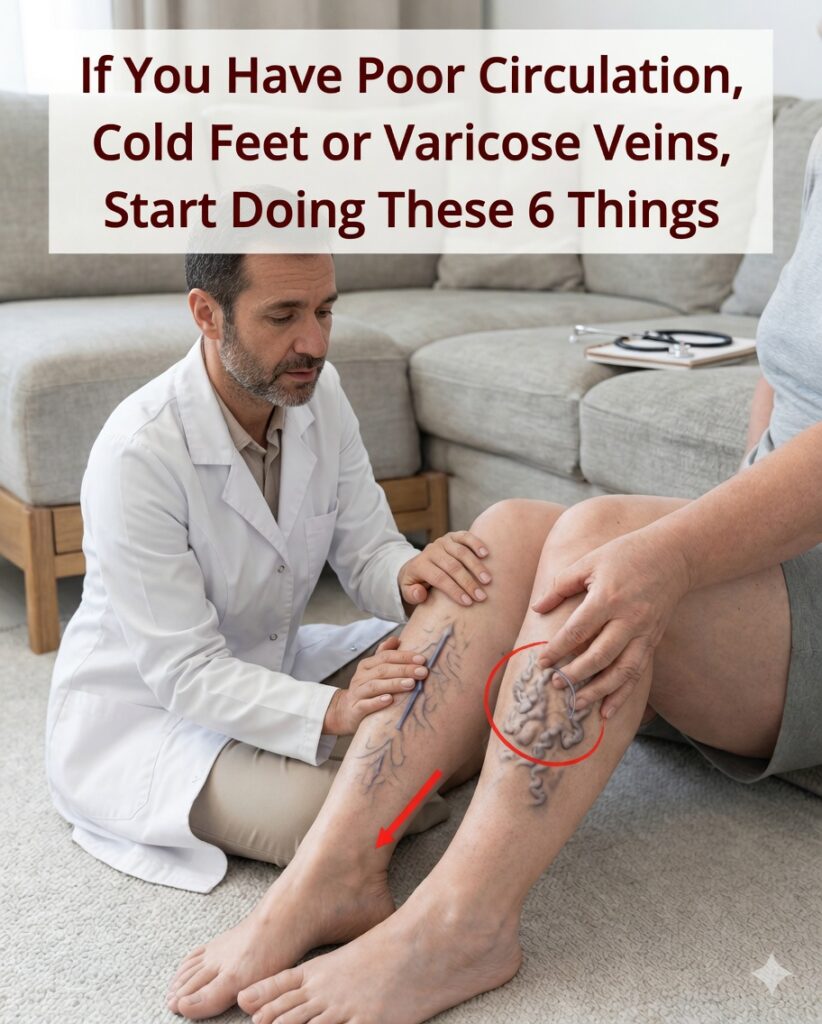
Cold Feet and Heavy Legs? Try This Natural 7-Day Routine to Revive Your Circulation
Do your feet stay cold no matter how many socks you wear? Do your legs feel heavy, achy, or tired—especially at the end of the day due to visible veins or varicose vein discomfort? Poor circulation can be exhausting. It can make everyday activities like walking, commuting, or standing at work feel harder than they should, and it may even affect how confident you feel about your legs.
The encouraging news is that small, consistent lifestyle changes can noticeably improve blood circulation and ease those daily symptoms. And there’s one simple habit at the end that many people find brings fast, noticeable relief.
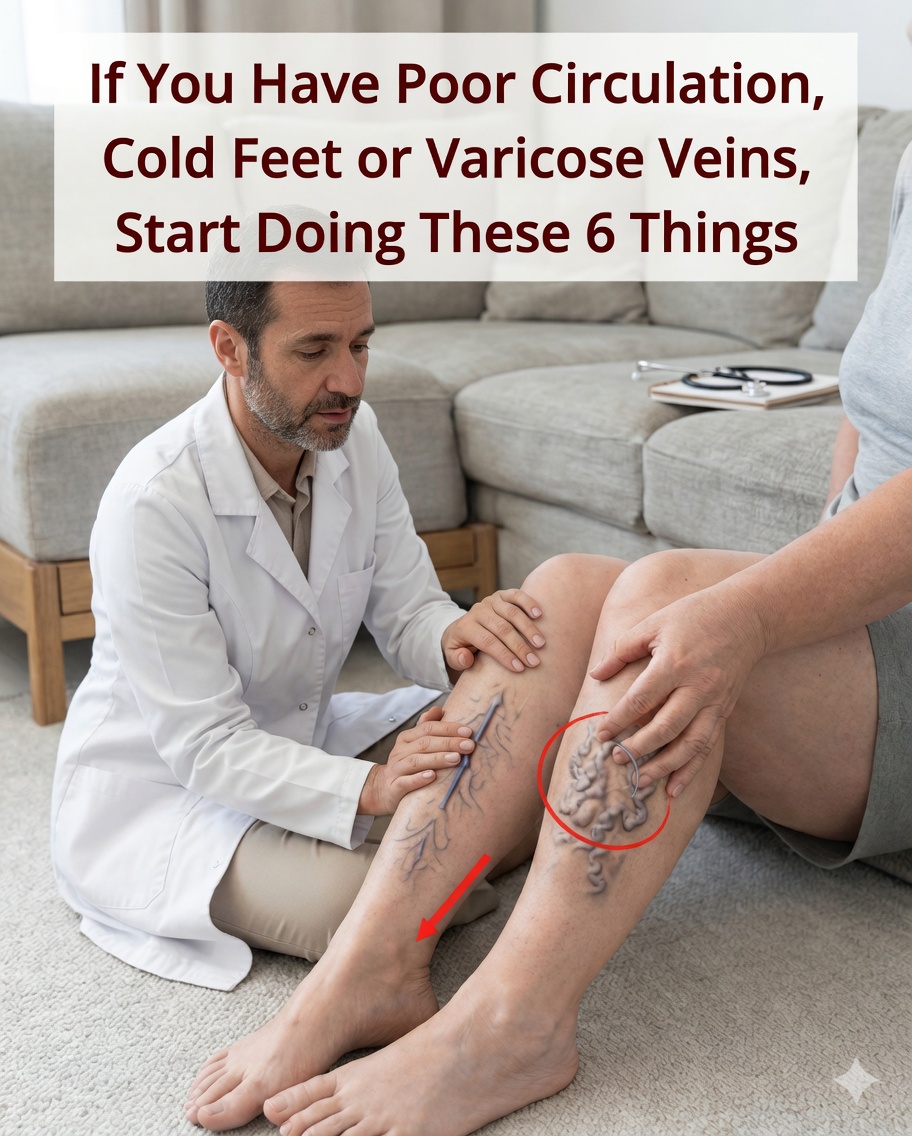
1. Move Your Body with Gentle, Regular Exercise
Sitting for long hours—or standing in one place—can slow blood flow. When circulation drops, blood tends to pool in the legs, leading to cold feet, swelling, and a heavy-leg feeling.
Light movement helps because your calf muscles work like a natural pump, pushing blood back upward toward the heart.
Easy ways to start:
- Walk for 30 minutes on most days
- Try cycling or swimming as low-impact options
- Break activity into 5–10 minute sessions across the day
- Do quick ankle circles or calf raises during breaks
With regular practice, many people begin to notice improvement within a few weeks.
2. Elevate Your Legs During the Day
If your legs swell or ache at night, it may be because blood and fluid are collecting in the lower limbs.
Raising your legs makes it easier for blood to return to the heart and can reduce that end-of-day pressure.
Practical tips:
- Lie down and lift your legs above heart level for 15–20 minutes
- Use the classic “legs up the wall” position
- Do it after long periods of sitting, traveling, or standing
Many people feel their legs become lighter surprisingly quickly.
3. Wear Compression Socks for Daily Support
Compression stockings apply graduated pressure to the legs, helping prevent blood from pooling and supporting healthier circulation.
How to use them effectively:
- Choose light to moderate compression (15–20 mmHg) unless advised otherwise
- Pick knee-high or thigh-high styles depending on comfort and symptoms
- Put them on in the morning, when swelling is usually minimal
They can help reduce aches and may even help your feet feel warmer.
4. Stay Well Hydrated
Dehydration can make the blood thicker and harder to move through the body, which may worsen circulation issues.
Simple hydration habits:
- Aim for at least 8 glasses of water per day
- Keep a reusable bottle nearby as a reminder
- Add lemon or fruit for flavor
- Include unsweetened herbal teas as part of your fluids
Proper hydration supports smoother blood flow and overall vascular health.
5. Add Circulation-Boosting Foods to Your Diet
Certain foods can support blood vessels, reduce inflammation, and encourage better flow—especially when eaten consistently.
Smart choices include:
- Berries (rich in antioxidants)
- Citrus fruits (high in vitamin C for vessel support)
- Beets and leafy greens (natural nitrates that support blood flow)
- Fatty fish and nuts (omega-3 fats)
- Garlic and ginger (traditionally used for anti-inflammatory benefits)
Even small diet upgrades can make a meaningful difference over time.
6. Try Warm Foot Soaks and Massage (The Habit Many Find Most Effective)
This is the simple routine many people consider the most helpful.
Warmth can encourage blood vessels to widen, while massage helps stimulate circulation through the feet and legs.
A simple routine to follow for 7 days:
- Soak your feet in warm water for 15 minutes
- Dry them well, then massage gently from the feet upward for 5–10 minutes
- Use a natural oil or moisturizer to reduce friction and improve comfort
Relief is often immediate—and this routine can also promote relaxation and better sleep.
Conclusion
You don’t need to overhaul your life overnight. Start with one or two habits and build from there. With steady effort, many people experience lighter legs, warmer feet, and more daily comfort—often sooner than expected.
Frequently Asked Questions
What causes poor circulation in the legs?
Common contributors include prolonged sitting or standing, excess weight, smoking, pregnancy, and certain medical conditions.
Do these changes eliminate varicose veins?
They usually won’t remove varicose veins, but they can reduce symptoms and help prevent the problem from worsening.
When should you see a doctor?
Seek medical care if you have severe pain, a sudden worsening of symptoms, skin color changes, or sores/wounds on the legs or feet.
Disclaimer: This content is for informational purposes only and does not replace medical advice. Consult a healthcare professional before making changes, especially if you have an existing condition.