Visible Varicose Veins and Heavy Legs? Meet the Nutrient That Supports Vein Strength From Within
If you often feel heavy, tired legs after a long day, notice bulging or twisted veins around your calves, or deal with swollen ankles, you’re far from alone. These are common signs of poor venous circulation, frequently linked to varicose veins or chronic venous insufficiency. Over time, the discomfort can become persistent and may even make simple activities—like walking or standing for long periods—feel challenging.
What if supporting your vein health could start with something straightforward—an essential nutrient you can get through diet and smart daily habits?
Many specialists highlight vitamin C as a key nutrient for vascular support. It plays a central role in collagen production, which helps maintain the structure and flexibility of blood vessels. In this guide, you’ll learn why vitamin C matters for veins, how to include it in your routine, and practical strategies to reduce leg discomfort—plus a powerful nutrient combination that can enhance its benefits.
Understanding Varicose Veins and Why Venous Health Matters
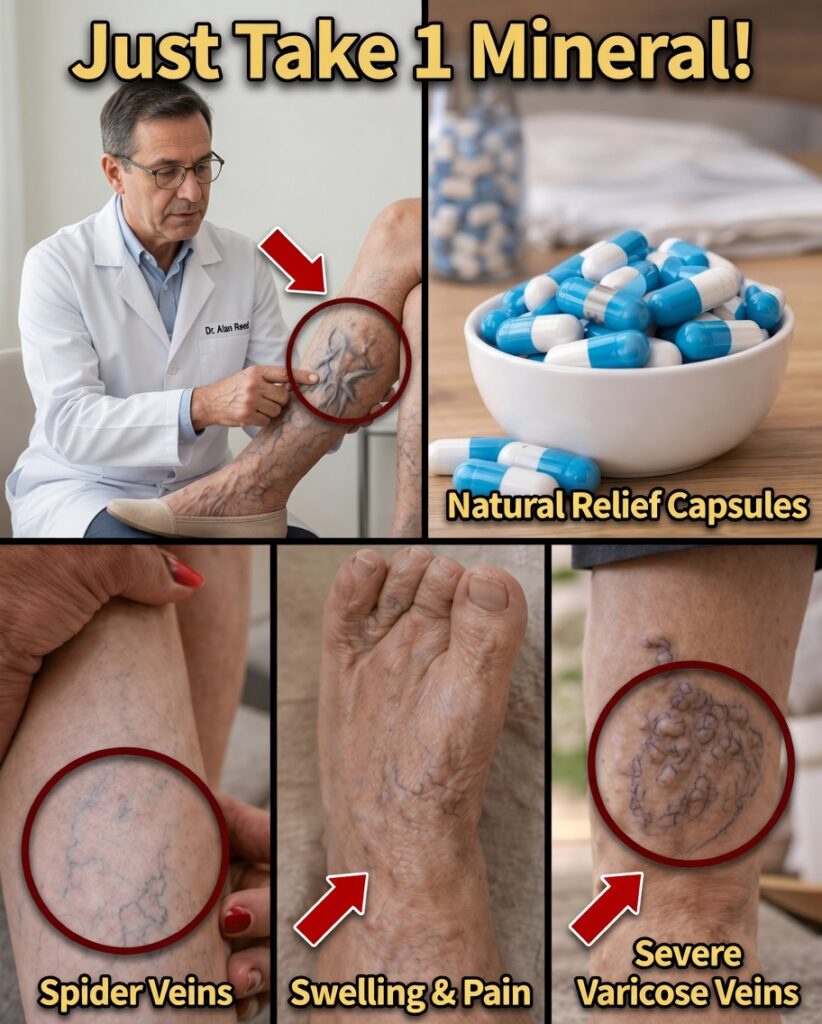
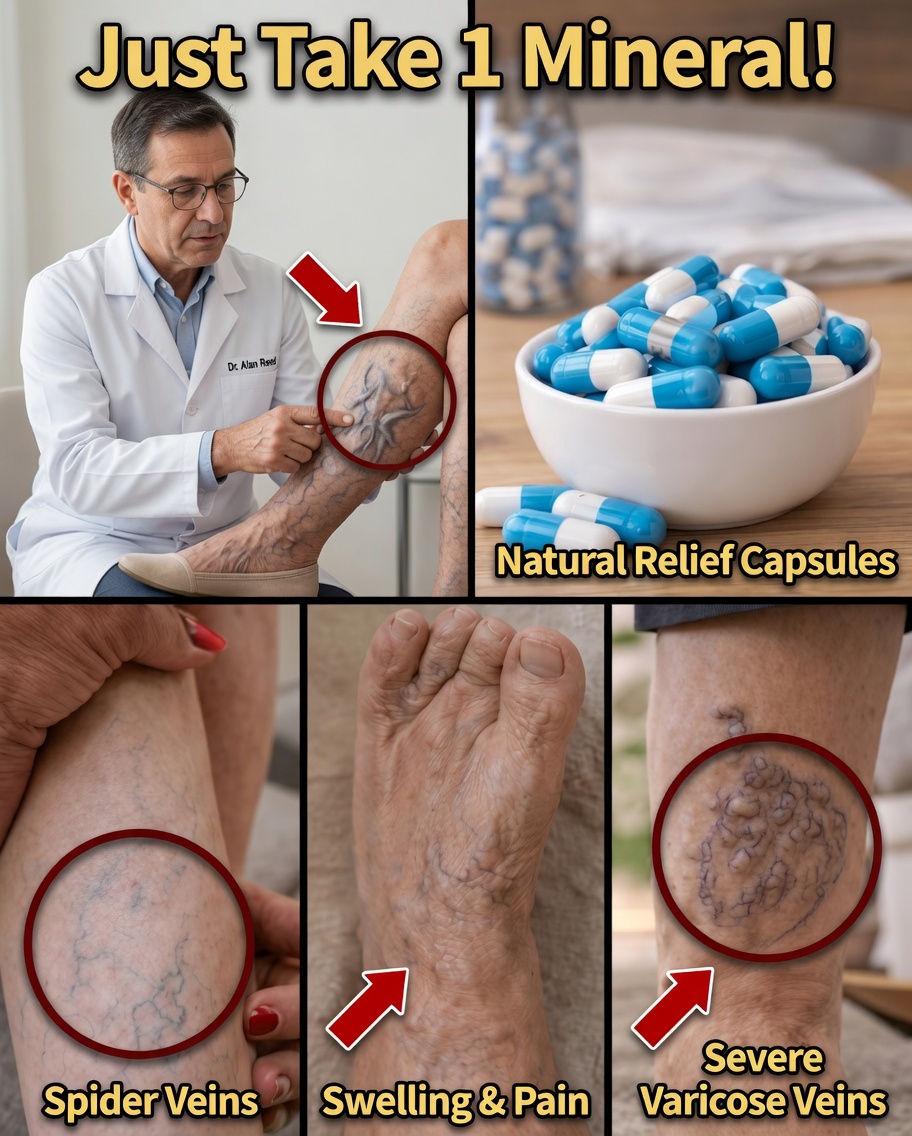
Varicose veins develop when veins become enlarged, twisted, and visible under the skin, most often in the legs. This typically happens when the vein walls weaken and the one-way valves inside the veins don’t function properly. As a result, blood can pool in the legs instead of moving efficiently back toward the heart.
Several factors may increase the risk, including:
- Standing for long periods
- Pregnancy
- Aging
- Genetics (family history)
- Excess body weight
Common symptoms include:
- Aching or pain in the legs
- A heavy, tired sensation
- Itching around affected veins
- Swelling, especially near the ankles
- Worsening symptoms over time if circulation issues continue
Why Vitamin C Is Essential for Stronger Veins
Vitamin C (ascorbic acid) is an essential nutrient—your body can’t produce it on its own, so you must get it through food or supplements. While it’s well-known for immune support, it also plays an important role in blood vessel health.
Here’s how vitamin C supports veins:
- Supports collagen and elastin production: Collagen and elastin help keep vein walls firm yet flexible. Without enough vitamin C, vessel walls may become more fragile—potentially contributing to the development or worsening of varicose veins.
- Provides antioxidant protection: Vitamin C helps defend blood vessels from oxidative stress and inflammation, both of which can damage vascular tissue over time.
- Supports nitric oxide production: It may help the body produce nitric oxide, which helps blood vessels relax and can contribute to better circulation.
Nutrients That Work Well With Vitamin C for Vein Support
For more complete vascular support, vitamin C is often paired with other nutrients known for circulation and capillary health, such as:
- Vitamin E: May support circulation and help reduce blood “thickness” (viscosity).
- Bioflavonoids (such as rutin and hesperidin): Help support capillaries and may reduce swelling.
- Horse chestnut: Traditionally used to ease leg heaviness and discomfort related to circulation.
These nutrients can be obtained through a balanced diet and, when appropriate, high-quality natural supplements.
Best Vitamin C Foods to Add to Your Diet
Getting more vitamin C can be both easy and enjoyable. Many guidelines place daily needs around 75–90 mg for most adults (individual needs vary).
Top vitamin C sources include:
- Citrus fruits: oranges, lemons, grapefruit
- Red bell pepper: one of the most concentrated food sources
- Strawberries, kiwi, and broccoli
- Tomatoes and potatoes
Tip: Vitamin C is sensitive to heat. Whenever possible, choose foods raw or lightly cooked to preserve more of the vitamin.
Practical Tips to Improve Circulation and Reduce Leg Discomfort
Alongside vitamin C intake, consistent habits can make a noticeable difference over time:
- Gradually increase vitamin C–rich foods
- Drink plenty of water
- Elevate your legs for 15–20 minutes daily
- Do regular movement like walking or swimming
- Use compression stockings when recommended or needed
- Maintain a healthy body weight
Small routine changes often lead to meaningful improvements when practiced consistently.
Daily Habits That Can Boost Results
To enhance the impact of your nutrition and lifestyle efforts, consider these supportive habits:
- Pair vitamin C with foods high in bioflavonoids
- Limit excess salt, which can contribute to fluid retention
- Avoid smoking, which can harm blood vessels and circulation
Many people who stick to these habits report lighter legs and less swelling over time.
Conclusion
Supporting your vein health doesn’t have to be complicated. By prioritizing vitamin C and adopting circulation-friendly habits, you give your body natural tools to help strengthen blood vessels and promote healthier circulation. Results can vary, but many people experience meaningful relief from heavy, uncomfortable legs.
Pay attention to your symptoms. If they persist or worsen, seek guidance from a qualified healthcare professional.
Frequently Asked Questions
Which foods are highest in vitamin C?
Excellent sources include citrus fruits, red bell pepper, strawberries, kiwi, and broccoli.
Can vitamin C remove varicose veins?
No. Vitamin C does not eliminate varicose veins, but it may help support vein strength and reduce discomfort-related symptoms.
Is vitamin C supplementation safe?
For most people, vitamin C is generally considered safe up to 2,000 mg per day, but it’s best to consult a healthcare professional before starting supplementation—especially if you have medical conditions or take medications.
Disclaimer
This content is for informational purposes only and does not replace medical advice. Consult a healthcare professional before starting any supplement or making significant changes to your health routine.