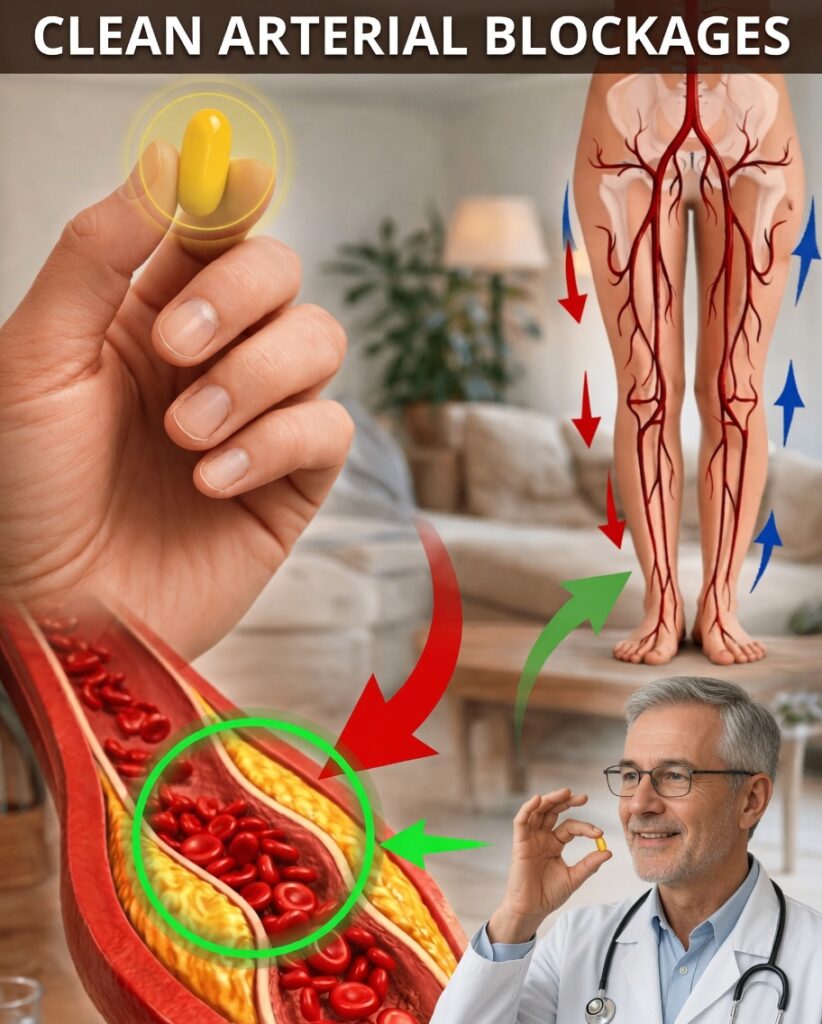
Could Clogged Arteries Be Undermining Your Health Without You Realizing It?
Healthy arteries are flexible and clear, allowing blood to flow smoothly and deliver oxygen and nutrients throughout the body. Over time, however, issues such as chronic inflammation, oxidative stress, and calcium buildup can interfere with this process. While no vitamin can “magically” unclog arteries overnight, scientific evidence suggests that specific nutrients can support vascular function, help reduce arterial stiffness, and promote overall heart health.
Researchers from reputable institutions have explored nutrients with antioxidant effects, calcium-regulating roles, and vessel-relaxing properties. Below are the most studied vitamins and nutrients linked to better circulation and healthier arteries.
Key Vitamins and Nutrients That Support Arteries and Circulation
1. Vitamin K2 (MK-7): The “Calcium Traffic Director”
Vitamin K2—especially the MK-7 form—helps guide calcium toward the bones and away from soft tissues like the arteries. Higher K2 intake has been associated with lower arterial stiffness in observational research.
- Food sources: fermented foods (such as natto), certain cheeses, egg yolk
- Often works best alongside vitamin D to support healthy calcium metabolism
2. Vitamin D: Essential for Blood Vessel Function
Vitamin D contributes to blood pressure regulation and helps modulate inflammation. Adequate levels are also linked to healthier endothelial function (the inner lining of arteries), which is crucial for proper circulation.
- Food sources: safe sun exposure, fatty fish, fortified foods
- Pairing vitamin D with vitamin K2 may improve how the body handles calcium
3. Omega-3 Fatty Acids: A Natural Anti-Inflammatory Ally
Omega-3s are widely studied for cardiovascular wellness. They can help reduce inflammation, support healthier triglyceride levels, and promote better blood flow.
- Food sources: salmon, sardines, flaxseed
- Supplements: choose high-quality, tested products if supplementing
4. Vitamin C: Antioxidant Defense for Blood Vessels
Vitamin C supports the integrity of blood vessel walls by promoting collagen production and helping fight oxidative stress, a factor involved in vascular aging.
- Food sources: citrus fruits, berries, bell peppers, broccoli
- Often complements vitamin E for broader antioxidant protection
5. Magnesium: The Relaxation Mineral
Magnesium plays a role in helping blood vessels relax and dilate, which can support balanced blood pressure and smoother circulation.
- Food sources: leafy greens, nuts, seeds, whole grains
6. B Vitamins (B6, B9/Folate, B12): Homocysteine Support
Vitamins B6, B9, and B12 help manage homocysteine, a compound that—when elevated—has been associated with poorer vascular health.
- Food sources: leafy greens (folate), meat and eggs (B12), fortified cereals
Practical Ways to Get These Nutrients Every Day
- Review your current diet to spot potential nutrient gaps
- Choose whole foods daily: vegetables, fish, fruit, nuts, and seeds
- Get 15–20 minutes of safe sunlight when appropriate
- Add gentle movement, such as daily walking
- Ask a healthcare professional about checking vitamin levels when relevant
- Use supplements only when needed and with qualified guidance
- Combine nutrients strategically (for example, vitamin D + K2, vitamin C + E) when appropriate
Keep in mind: lifestyle habits—regular exercise, stress management, and avoiding smoking—typically have a much bigger impact than any single nutrient.
Conclusion: Small Changes Can Lead to Meaningful Benefits
Building a nutrient-dense diet and maintaining a heart-healthy lifestyle are simple but powerful ways to support arteries and circulation. What matters most is consistency—over time, your body can respond in positive, measurable ways.
Frequently Asked Questions
Which foods are richest in these nutrients?
Great options include leafy greens, fatty fish, citrus fruits, nuts, and fermented foods—all of which naturally provide many of the nutrients discussed above.
Can supplements replace a healthy diet?
No. Supplements are meant to fill gaps, not replace real food. Whole foods provide a broader, more balanced mix of nutrients and beneficial compounds.
How long does it take to notice benefits?
It varies by individual, but improvements often require months of consistent intake, especially when paired with healthier daily habits.
Medical Disclaimer
This article is for informational purposes only and does not replace medical advice. Always consult a qualified healthcare professional before starting supplements—especially if you have existing conditions or take medications.