Don’t Ignore These Warning Signs: Small, Natural Changes Can Support Circulation and Ease Nerve Pain
If you’re over 60 and you’ve started noticing unusual feelings in your hands or feet—like ongoing tingling or pain that seems to appear for no clear reason—you’re not alone. Many older adults experience these symptoms as part of peripheral neuropathy, a nerve-related condition that often develops slowly. Over time, it can affect daily comfort, balance, and even sleep.
What’s most concerning is that these signs are frequently dismissed as “just aging.” In reality, they’re signals worth paying attention to.
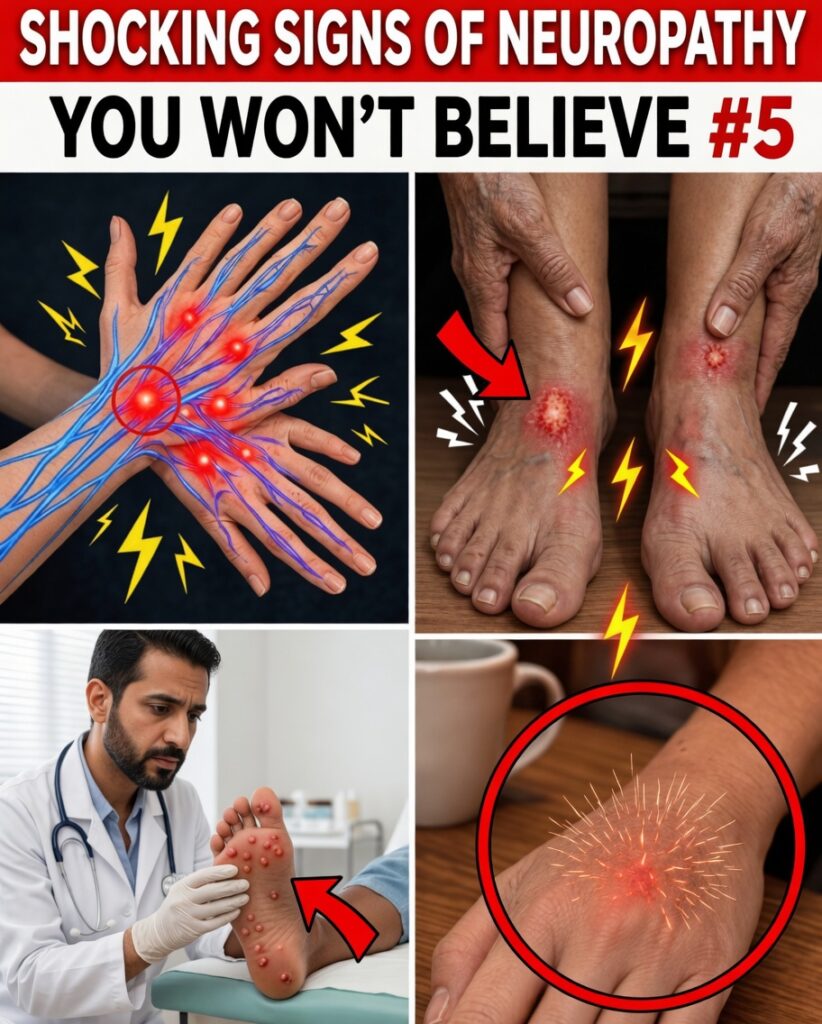
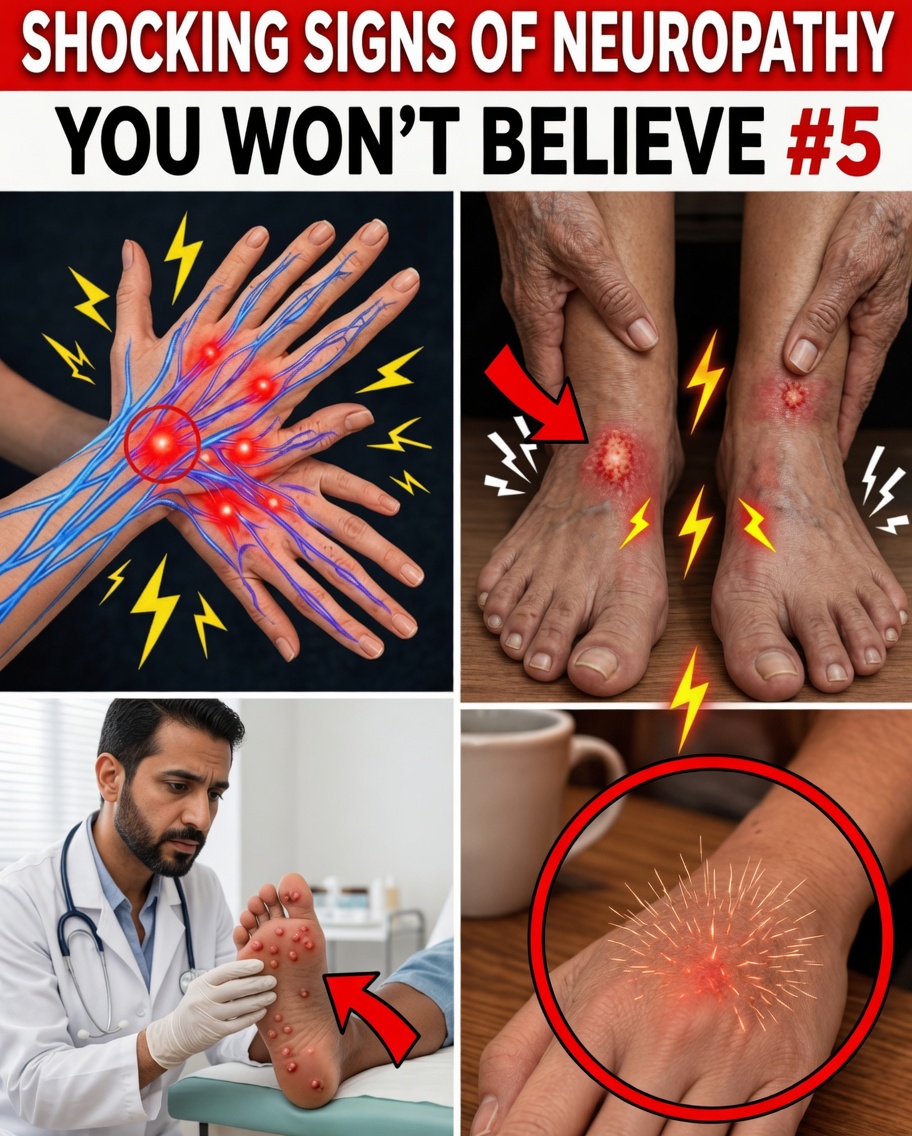
Some of the most noticeable symptoms are also the easiest to brush off—until they become severe. Keep reading, because sign #5 may make you rethink what your body has been trying to tell you.
What Is Peripheral Neuropathy—and Why Does It Matter After 60?
Peripheral neuropathy happens when nerves outside the brain and spinal cord become damaged or irritated. It most commonly affects the feet and hands. The risk increases with age, and it may be linked to factors such as:
- Vitamin deficiencies (especially B vitamins)
- Metabolic changes
- Long-term high blood sugar levels
It usually doesn’t appear overnight. However, spotting symptoms early can help you reduce discomfort, support nerve health, and potentially slow progression.
10 Peripheral Neuropathy Signs You Shouldn’t Ignore
1. Gradual numbness in fingers or toes
A “muted” feeling that decreases your ability to sense touch, pressure, heat, or cold.
2. Persistent tingling
That classic “pins and needles” sensation that doesn’t fully go away.
3. Burning pain or electric-shock sensations
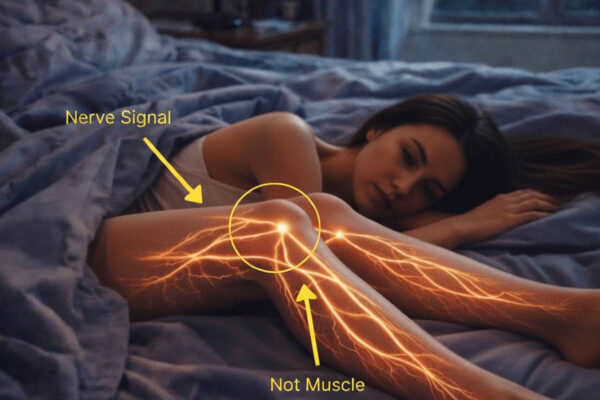
Inner heat, stabbing pain, or shock-like jolts—often worse at night.
4. Extreme sensitivity to touch
Even light contact, such as clothing or bedsheets, can feel uncomfortable or painful.
5. A crawling sensation on the skin (formication)
A strange feeling like insects are moving on your skin—one of the most unsettling and commonly overlooked signs.
6. Feeling like you’re wearing invisible gloves or socks
Even with bare hands or feet, you may sense tightness, padding, or compression.
7. Muscle weakness
Trouble gripping objects, reduced hand strength, or legs that feel unusually heavy.
8. Balance problems
Reduced sensation can increase the risk of stumbling, unsteadiness, or falls.
9. Pain during simple activities
Walking, wearing shoes, or even resting may trigger discomfort.
10. Skin and sweating changes
Dryness, hair loss on the legs/feet, or noticeable changes in sweating patterns.
How to Support Nerve Health Naturally
There’s no single universal fix, but these natural strategies may help support circulation and nerve function:
- Move every day: Gentle walking and low-impact exercises can improve blood flow and mobility.
- Eat foods rich in B vitamins: Add leafy greens, eggs, nuts, and other nutrient-dense foods to support nerve health.
- Prioritize foot care:
- Check your feet daily for cuts, blisters, or sores
- Choose comfortable, well-fitting shoes
- Moisturize dry skin (avoid applying lotion between toes)
- Manage temperature wisely: Warm hands and feet gently and avoid extreme heat or cold.
- Track your symptoms: Write down what you feel and when it happens to identify patterns and possible triggers.
Conclusion
Peripheral neuropathy symptoms after 60 can begin subtly, but they can significantly affect quality of life. Listening to your body is a strong first step toward protecting your nerve health and maintaining independence.
If you recognize any of these symptoms, consider seeking professional guidance to explore the underlying cause and find the most appropriate approach for your situation.
Frequently Asked Questions
Why do these symptoms appear after age 60?
They may be connected to age-related nerve changes, nutritional deficiencies, or metabolic conditions that become more common over time.
Are these signs permanent?
Not always. With early attention and lifestyle adjustments, many people experience improvement or better symptom control.
When should you seek help?
If symptoms affect sleep, walking, balance, or daily tasks, it’s important to get a medical evaluation.
Disclaimer: This content is for informational purposes only and does not replace professional medical advice. Always consult a qualified healthcare provider for personalized guidance.