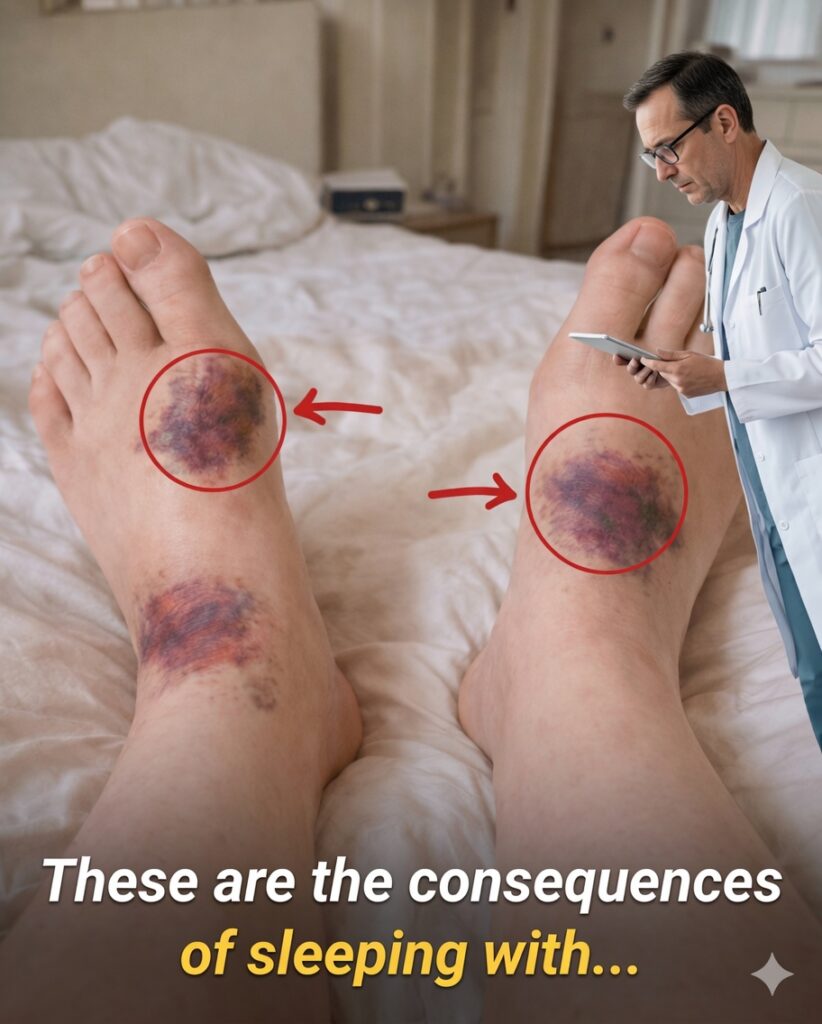
Sleep Better Without Harming Your Skin: Natural Warming Alternatives Like Ginger and Cinnamon
Have you ever woken up and noticed purplish or reddish patches on your legs with no clear explanation? What if a cozy bedtime habit is quietly affecting your skin over time? Read to the end—you may be surprised by what’s happening and how to switch to safer, natural options.
Many people use a heating pad at night to stay warm or soothe tight muscles. However, repeated heat exposure in the same area can gradually change superficial blood flow in the skin. Over weeks or months, this may lead to uneven discoloration—often in a lacy, net-like pattern—especially on the lower legs.
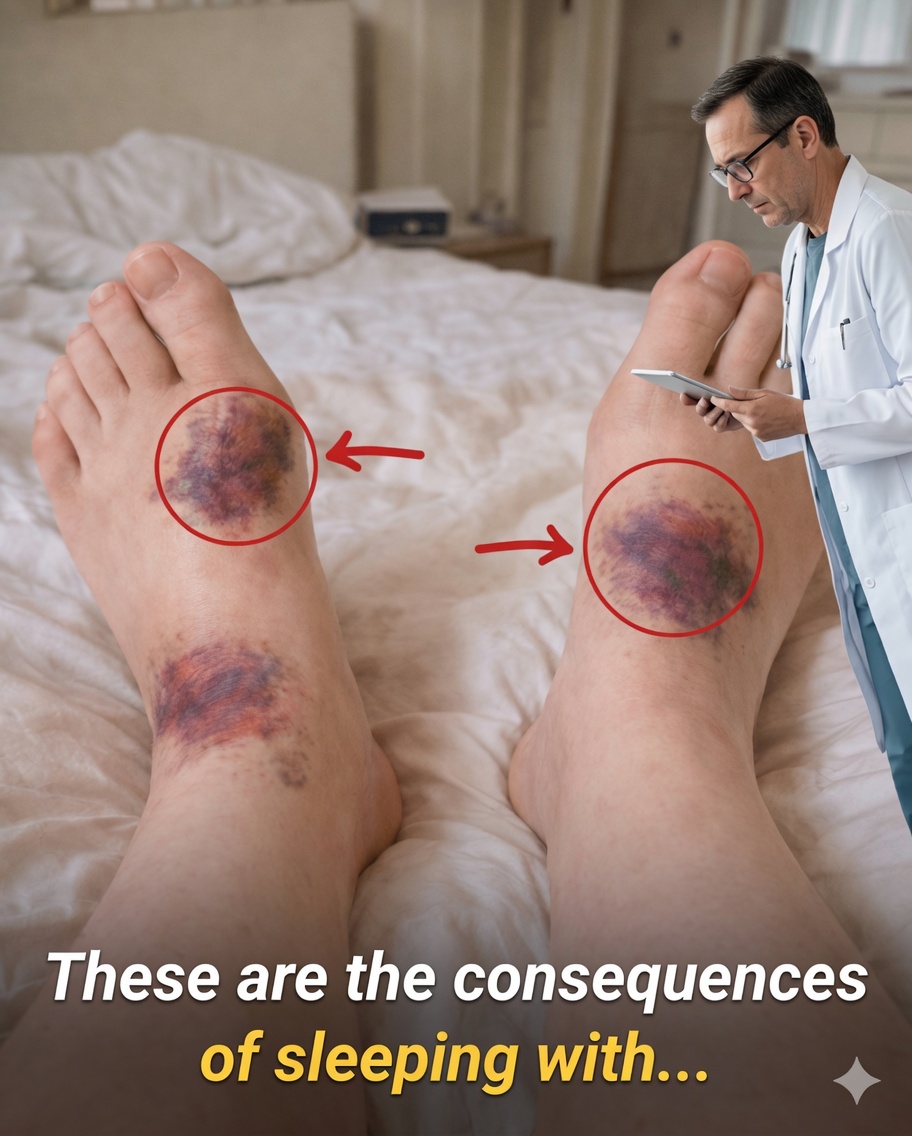
What Do These Leg Marks Mean?
These spots commonly show up around the ankles and shins, ranging from pink-red to deeper purple tones. They form when small blood vessels react to prolonged warmth. At first, the marks usually don’t hurt, but they can linger for days—or even weeks.
With frequent heating pad use, the skin’s response can build slowly. Many people only realize something is going on once the pattern becomes clearly visible.
Why Does Heat Trigger These Changes?
During sleep, circulation in the legs naturally slows down. Adding hours of steady heat can intensify the skin’s vascular response. This process is known as erythema ab igne, a condition caused by long-term heat exposure rather than an immediate burn.
Even moderate temperatures can affect blood vessels and pigmentation when applied for long periods, leading to noticeable discoloration.
Warning Signs to Watch For
Pay attention if you notice:
- Purplish or reddish patches on the legs
- A mesh-like or lace-patterned appearance
- Mild changes in skin texture
- Marks that become more noticeable over time
Catching it early matters—early changes are more likely to fade once the heat source is removed.
How to Use a Heating Pad More Safely
You don’t have to give up comfort—just use heat more wisely:
- Choose low to medium heat settings
- Place a cloth barrier between your skin and the pad
- Limit use to 20–30 minutes before sleep
- Avoid sleeping with it on all night
- Prefer pads with automatic shut-off
These simple adjustments can significantly lower the risk of heat-related skin changes.
Natural Ways to Warm Up Without Direct Skin Heat
If you’d rather avoid prolonged heat against your skin, try warming the body from the inside out with easy, natural options:
Dried Ginger Tea
Slice ginger thinly and let it dry for 2–3 days, then store it in a sealed jar. Before bed, steep a few pieces in hot water. Ginger supports a warming sensation and may promote relaxation.
Cinnamon Drink
Use cinnamon sticks and simmer them in water or milk for a few minutes. This creates a gentle, comforting warmth—ideal for a calming nighttime routine.
These alternatives are simple, affordable, and far less likely to irritate or discolor the skin.
Tips to Improve Leg Comfort at Night
To support circulation and reduce discomfort:
- Elevate your legs slightly with a pillow
- Wear lightweight, breathable sleepwear
- Stay well-hydrated during the day
- Massage your legs gently for 2 minutes before bed
- Alternate heating pad use with warm herbal drinks
With consistent habits, many people notice improvement within a few weeks.
When to Seek Medical Advice
If the discoloration spreads, lasts a long time, or comes with pain or swelling, consult a healthcare professional. While this is often mild, it’s important to rule out other causes.
Conclusion
Sleeping with a heating pad may feel harmless, but long-term nightly use can affect skin circulation and lead to visible discoloration. The good news: small changes—plus natural warming options like ginger and cinnamon—can keep you comfortable without putting your skin at risk.
Start tonight with one simple adjustment to your bedtime routine. Your body—and your skin—will thank you.
Disclaimer: This article is for informational purposes and does not replace professional medical advice. If you have persistent skin changes or concerns, consult a qualified healthcare provider.