7 Quiet Warning Signs of Liver Trouble — and Simple Habits That Can Help You Rebuild Liver Health
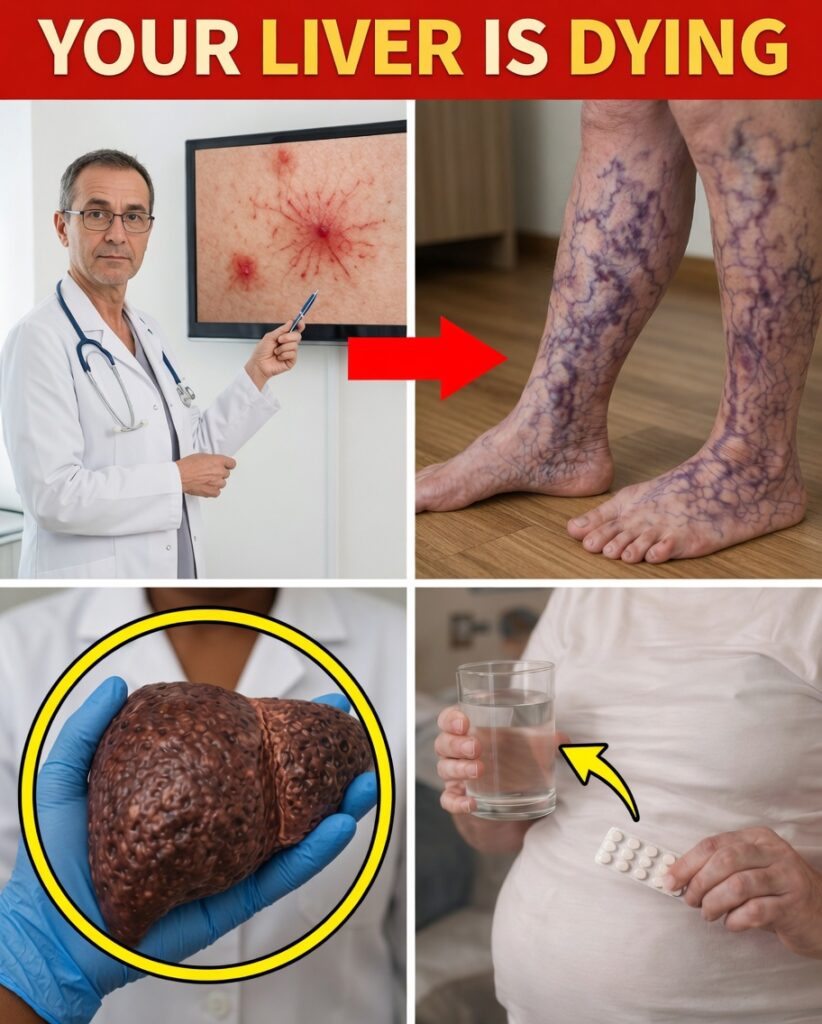
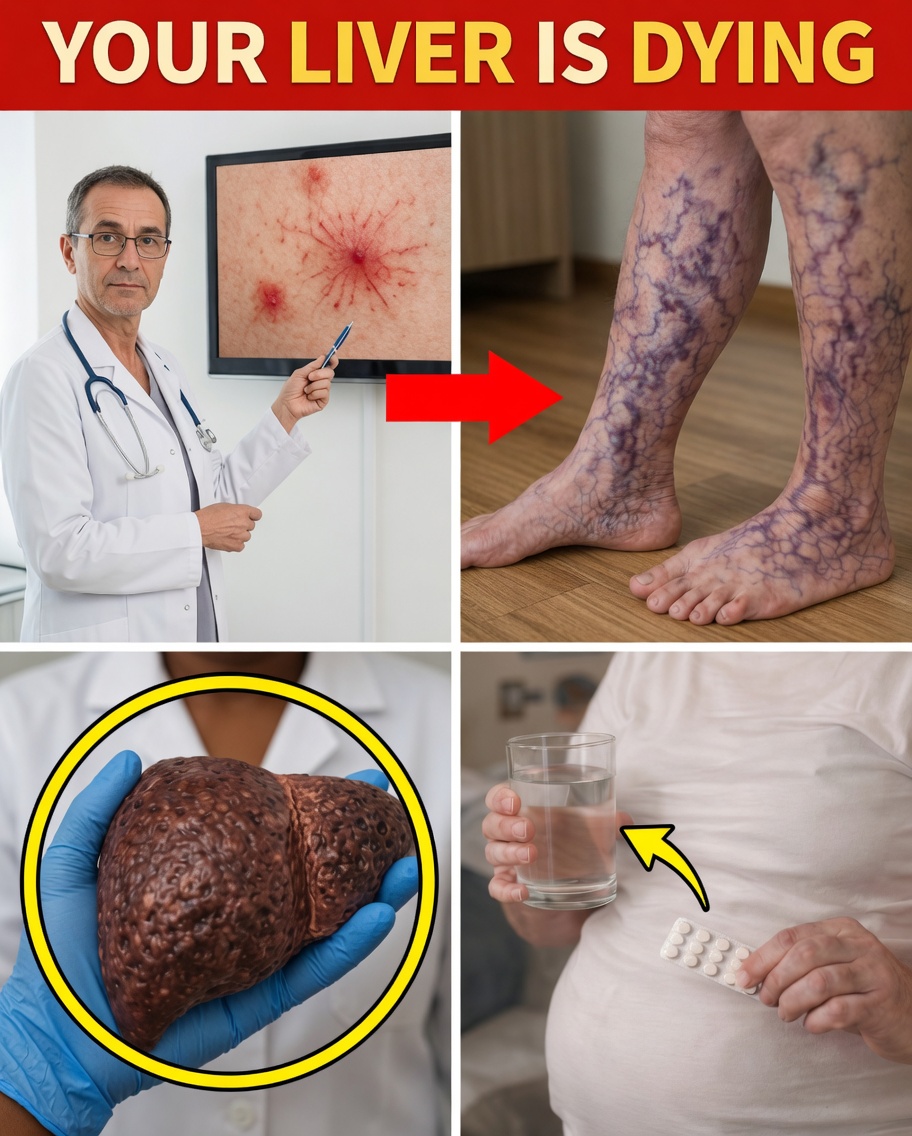
A striking image of a damaged liver can trigger an immediate jolt—an uneasy feeling and a troubling question: could your “silent filter” be at risk too? What makes liver problems especially concerning is that the liver often keeps working without obvious symptoms until the situation is already advanced.
Many people notice mild fatigue or subtle body changes and brush them off. But when more visible signs appear, they deserve attention. This guide turns worry into practical knowledge: 7 potential warning signs and simple, realistic habits that can support liver health over time.
The Quiet Challenge of Fatty Liver Disease
The liver is one of the hardest-working organs in the body. It filters blood, processes nutrients, stores energy, and supports digestion. Yet modern routines—high sugar intake, refined carbohydrates, and low physical activity—have contributed to a rise in fatty liver disease.
Globally, an estimated 25–30% of adults have some degree of fatty liver. Early on, it often causes no noticeable symptoms, which makes early detection difficult. Over time, it may progress to inflammation and scarring of liver tissue.
The good news is that spotting possible signs early and improving daily habits can make a meaningful difference.
7 Signs Your Liver May Be Overloaded
Important: These signs can have many causes. Always consult a qualified healthcare professional for evaluation.
-
Ongoing fatigue
Feeling consistently drained—even after adequate sleep—may suggest your body is struggling with metabolic and detox processes, including liver workload. -
Swelling in the legs or abdomen
Fluid retention can be linked to issues with how the body manages balance and circulation, sometimes associated with liver function. -
Unexplained itching
Persistent itching without a clear trigger may occur when certain substances build up because they aren’t being processed efficiently. -
Spider-like blood vessels on the skin
Small red spots with branching lines (“spider veins”) can be a visible clue of circulatory changes. -
Redness of the palms
Palms that appear unusually red may be related to altered blood flow patterns sometimes seen with liver issues. -
Changes in urine or stool color
Dark urine or pale stools can signal problems related to bile production or bile flow. -
Reduced appetite or upper-right abdominal discomfort
Appetite loss or discomfort—especially in the upper-right side of the abdomen (where the liver sits)—can be a sign worth checking.
Natural Habits That Can Support Liver Health
There’s no magic fix, but consistent habits can strongly support the liver and overall metabolic health:
-
Move every day
Walking, cycling, or swimming can help reduce liver fat and improve insulin sensitivity. -
Choose mostly whole foods
Build meals around vegetables, fruit, whole grains, olive oil, fish, and nuts—foods commonly linked with better metabolic markers. -
Cut back on added sugar and ultra-processed foods
Limit sugary drinks, packaged sweets, and heavily processed snacks. -
Keep alcohol moderate (or avoid it)
Even “small” amounts can add strain for some people, especially if fatty liver is already present. -
Stay well hydrated
Water supports normal circulation and the body’s natural detox pathways. -
Prioritize quality sleep
Restful sleep is essential for metabolic balance and recovery.
Small changes may feel minor day to day—but over months, they can produce significant results.
What Should You Do Next?
Pay attention to your body. If symptoms persist or worsen, seek medical guidance. Simple tests can help assess liver health and identify problems early.
One underrated habit: cook more at home using whole ingredients. It makes it easier to control sugar, unhealthy fats, and additives—while improving nutrition gradually.
Start small, stay consistent, and build momentum.
Frequently Asked Questions
-
Can fatty liver go unnoticed?
Yes. In early stages, it often causes little to no clear symptoms. -
Are these signs specific to liver problems?
No. Many can be linked to other conditions, which is why medical evaluation matters. -
Do I need supplements to improve liver health?
Not always. For many people, the foundation is diet, activity, sleep, and alcohol reduction—with supplements only when advised by a professional.
Important Notice
This content is for informational purposes only and does not replace medical advice. Always consult a qualified healthcare professional before making decisions about your health.