Research Insights: A Natural Compound May Help Support Epstein–Barr Virus (EBV) Balance—Here’s How to Use It Daily
Millions of people carry the Epstein–Barr virus (EBV) quietly in their bodies after a past infection—often without ever realizing it. Over time, everyday factors like stress, exhaustion, poor sleep, or weakened immunity may contribute to EBV reactivation, which can bring back fatigue and vague discomfort that disrupts daily life.
What caught scientists’ attention is that a naturally occurring plant compound, found in common foods, may help influence the biological processes involved in EBV activity. Could something as simple as what you eat support your body’s balance? Here’s what current research suggests and how you can apply it in real life.
What Is Epstein–Barr Virus, and Why Does Reactivation Matter?
EBV is one of the most widespread viruses worldwide. Many people are exposed early in life—sometimes through shared drinks or kissing. After the initial infection (which may be mild or appear as infectious mononucleosis), EBV doesn’t fully leave the body. Instead, it remains latent (inactive) inside certain cells for years or even decades.
The concern begins when the virus becomes active again. During reactivation, EBV can start producing new viral components, which may be associated with:
- Ongoing fatigue
- Non-specific discomfort
- Immune system imbalance
Although triggers vary, reactivation is often discussed in connection with high stress levels, low-quality sleep, and reduced immune resilience.
Apigenin: What Science Has Observed So Far
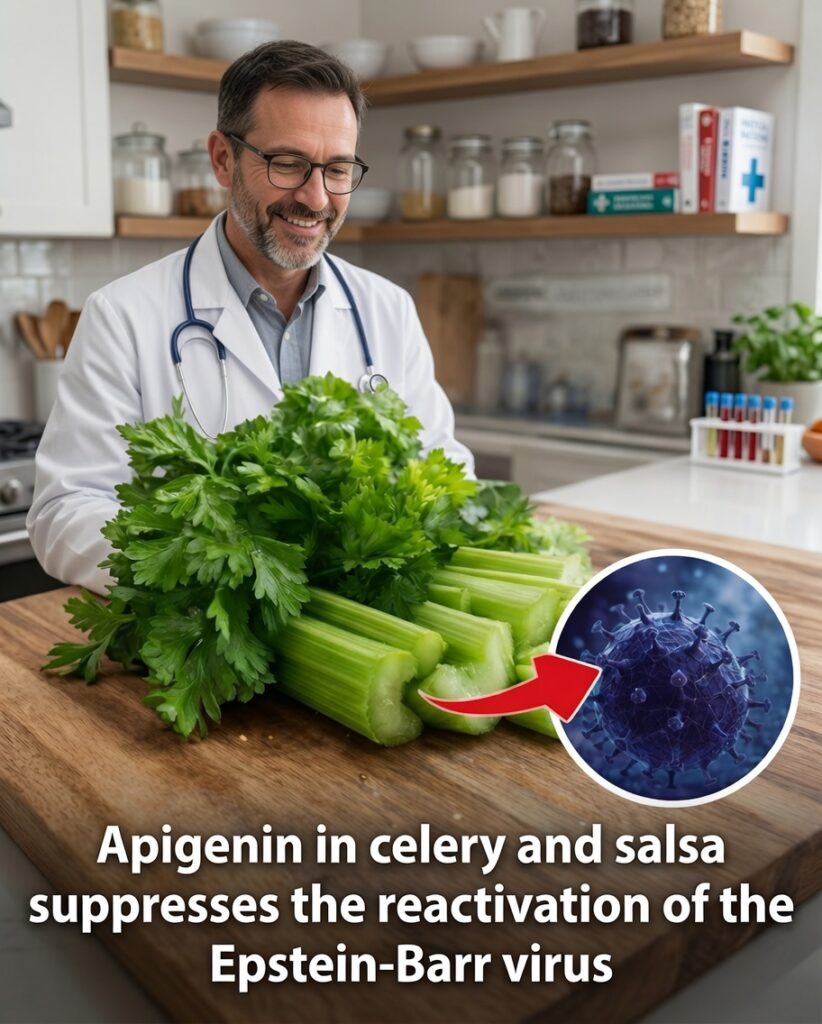
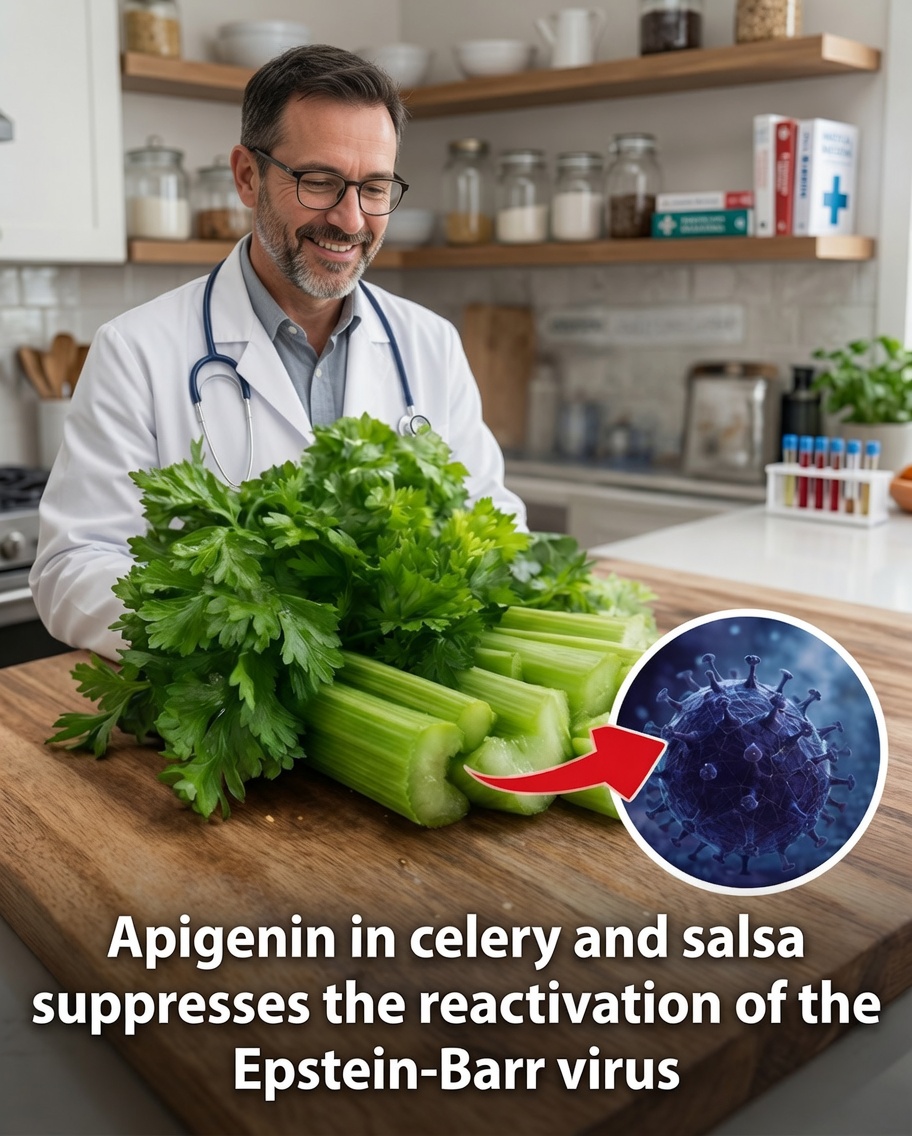
Researchers have taken interest in apigenin, a natural flavonoid present in plants such as parsley and celery. In laboratory studies, apigenin showed the ability to interfere with genetic pathways involved in switching EBV from a latent state to an active state.
More specifically, apigenin appears to inhibit key viral “on-switch” genes commonly referred to as Zta and Rta. When these genes are suppressed, studies observed:
- Reduced production of viral proteins
- Fewer cells entering the reactivated state
These findings are encouraging, but it’s important to keep expectations realistic: much of this evidence comes from lab research, and more human studies are needed to understand practical impacts, ideal intake, and real-world outcomes.
Apigenin also belongs to a broader group of plant compounds known for antioxidant activity and other potential health-supporting effects, which adds to scientific interest in how it may contribute to overall wellness.
Where to Find Apigenin Naturally (Food Sources)
One of the best parts: apigenin is found in accessible, everyday foods, not just specialty products.
Common dietary sources include:
- Parsley (especially dried): among the richest sources
- Celery: stalks, leaves, and seeds
- Chamomile: widely used in herbal tea
- Other foods and herbs: artichoke, oregano, onion, citrus fruits, and thyme
In many cases, dried herbs can contain more concentrated amounts than fresh versions, making them easy to incorporate into meals.
How Apigenin May Help: A Simple Way to Think About It
You can imagine EBV as a “sleeping” virus. When dormant, it tends to stay under the radar. Reactivation happens when certain biological signals activate the genes that help the virus shift into a more active phase.
In experimental settings, apigenin helped quiet those activation signals, reducing EBV-related activity in cells. This does not mean apigenin is a cure or a guaranteed preventive strategy. Rather, it suggests a potential food-based, supportive approach that may help the body maintain balance.
Practical Ways to Add Apigenin to Your Routine
You don’t need an extreme plan—small, consistent changes are often the most sustainable. Consider:
- Sprinkle fresh or dried parsley into soups, salads, eggs, or roasted vegetables
- Drink chamomile tea in the evening as part of a calming bedtime routine
- Add celery to smoothies, salads, or snack plates
- Cook with a variety of herbs and plant seasonings like oregano and thyme
- Emphasize a vegetable-forward diet to increase overall plant compound intake
Over time, these simple habits can help create a more supportive dietary pattern.
What This Could Mean for Your Overall Well-Being
These research observations reinforce a valuable idea: nutrition can influence body processes in unexpected ways. While apigenin is not a medical treatment for EBV, it may fit into a broader lifestyle approach aimed at supporting immune balance and daily energy.
Combined with fundamentals such as:
- Quality sleep
- Stress management
- Regular physical activity
- A plant-rich diet
…you may feel better supported overall.
Final Thoughts
Science continues to explore how natural compounds interact with the body and influence viral behavior. In the meantime, adding foods like parsley, celery, and chamomile is a simple, affordable, and enjoyable way to support everyday health.
Stay attentive to how your body responds, aim for balance, and keep learning about what nature can offer.
Disclaimer
This content is for informational purposes only and does not replace medical advice. Speak with a qualified healthcare professional before making changes to your diet or lifestyle—especially if you have medical conditions or take medications.