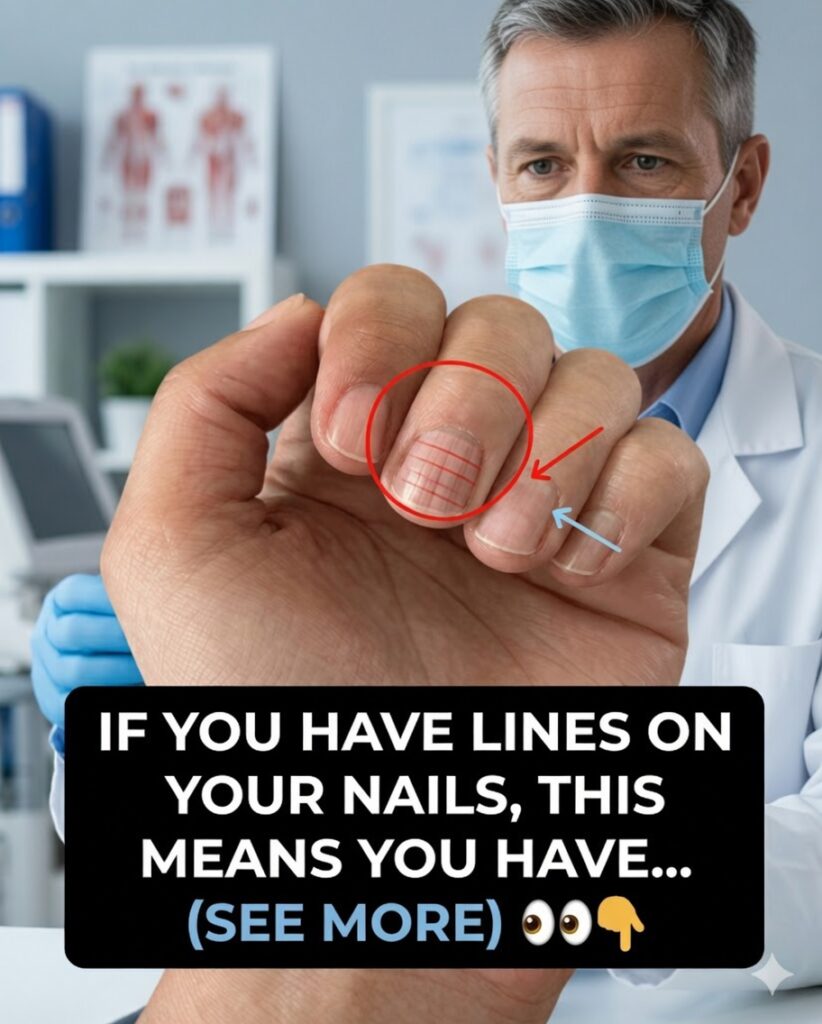
Before You Ignore Nail Ridges, Know This
Noticing lines on your nails can be easy to dismiss at first. You’re washing your hands and suddenly spot faint vertical grooves. They seem harmless—until weeks later they look deeper, and the question appears: could this be a health issue?
This is a common concern. The reassuring news is that most nail lines are not dangerous, and understanding what they mean can help you care for your nails in simple, natural ways—supporting overall wellbeing along the way.
Types of Nail Lines: What to Look For
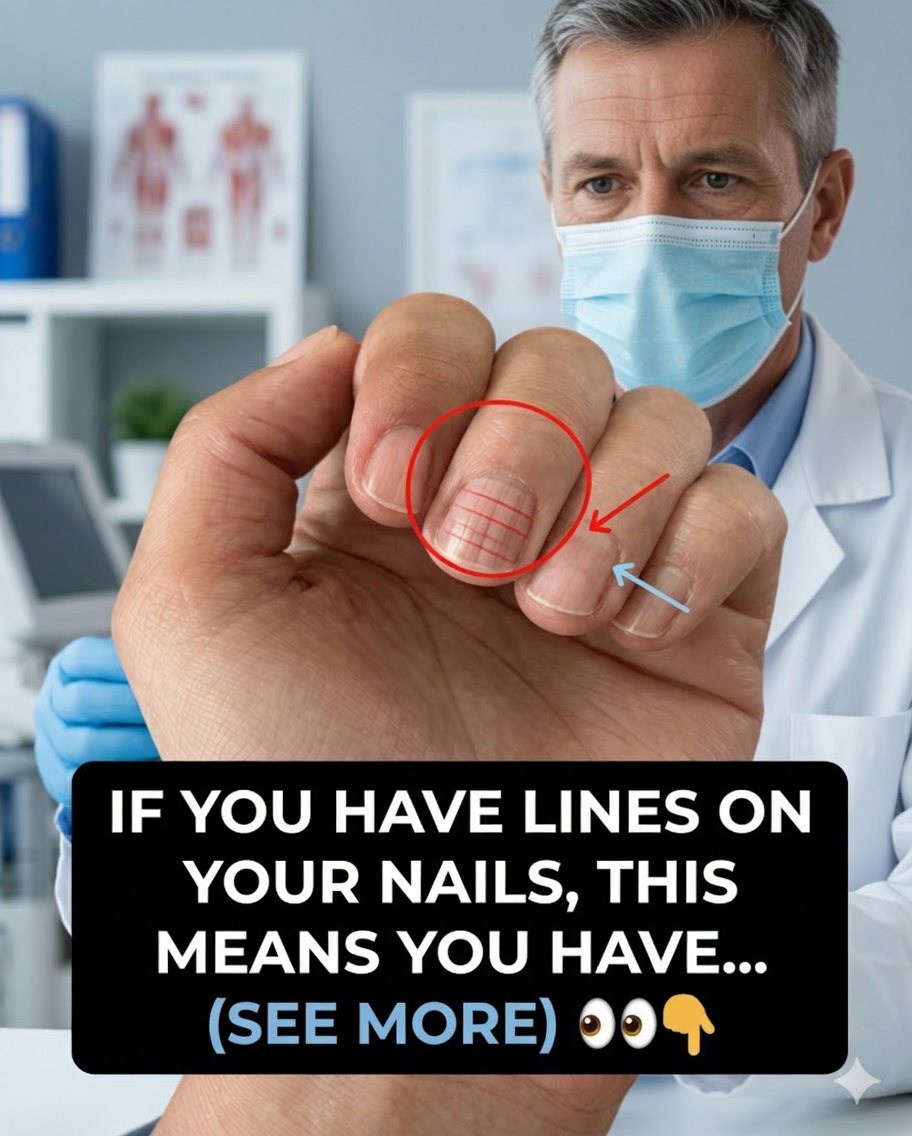
Nails are more than a cosmetic detail. They can reflect changes in your body and daily habits. In general, nail ridges fall into two main categories:
Vertical lines (longitudinal ridges)
These run from the cuticle area down to the tip of the nail. They’re extremely common and tend to become more noticeable with age because nail cell growth gradually changes over time.
Horizontal lines (Beau’s lines)
These grooves go across the nail from side to side. They usually appear when nail growth temporarily slows down or pauses.
Quick summary
- Vertical ridges: thin, lengthwise lines; often age-related
- Horizontal ridges (Beau’s lines): more pronounced lines across the nail; can point to a past stressor in the body
Why Do Vertical Nail Ridges Appear?
In most cases, vertical ridges are simply part of natural aging—similar to how fine lines develop in the skin. However, several everyday factors can make them more visible:
- Frequent exposure to water and harsh soaps
- Regular contact with chemicals (detergents, nail polish removers)
- A genetic tendency toward dry nails
- Low intake of key nutrients such as protein or iron
- Dry skin or inflammatory conditions like eczema
Most of the time, these ridges are harmless. They often reflect routine wear-and-tear, dryness, and lifestyle patterns rather than a serious medical issue.
When Horizontal Nail Lines Deserve More Attention
Horizontal ridges typically indicate that nail growth was interrupted for a period of time. This can happen after:
- A high fever
- A significant illness
- Surgery
- Intense or prolonged stress
- Poor nutrition
Because fingernails grow roughly 3–4 mm per month, the position of the line can offer clues about when the disruption occurred. If the same type of horizontal line shows up on multiple nails at once, it may suggest a broader issue affecting the body rather than a single injured nail.
Everyday Habits That Can Make Nail Ridges Worse
Small daily actions can strongly influence nail texture and strength. Common contributors include:
- Constant handwashing without moisturizing
- Repeated use of cleaning products without gloves
- Aggressive manicures or rough buffing
- Overuse of strong acetone-based removers
The good news: modest adjustments often improve both nail appearance and resilience.
Natural Ways to Support Stronger, Smoother Nails
You don’t need expensive treatments to improve nail health. Consistent, gentle care makes a real difference over time:
- Moisturize daily: massage natural oils (such as coconut or almond oil) into nails and cuticles
- Protect your hands: wear gloves for dishwashing and household cleaning
- Choose gentler products: opt for mild removers and lower-chemical formulas when possible
- Eat a nutrient-rich diet: include leafy greens, fruit, eggs, fish, and nuts
- Stay hydrated: internal hydration supports nail growth and elasticity
- File carefully: file in one direction to reduce splitting and micro-damage
These habits won’t erase ridges overnight, but they help new nail growth come in stronger and smoother.
Lifestyle Matters More Than You Think
Chronic stress and poor sleep can affect cell renewal—including the cells that build your nails. Simple habits like walking, breathing exercises, or setting aside daily downtime can support overall recovery, and your nails may reflect that improvement.
Keep expectations realistic: a fingernail typically needs 4–6 months to fully grow out and renew.
When to Seek Professional Advice
Most nail ridges are benign, but it’s worth consulting a healthcare professional if you notice:
- A sudden appearance of many new ridges
- Horizontal lines showing up on several nails
- Changes in nail color, thickness, or shape
- Nails that become very brittle or start lifting/separating
- Additional symptoms like unusual fatigue or skin changes
Conclusion
Nail lines are rarely a reason for alarm. More often, they reflect aging, hydration levels, nutrition, and everyday exposure to stress or chemicals. By recognizing what your nails may be signaling—and adopting simple, natural nail care—you can improve not only how your nails look, but also your overall health habits.
Start today with one small step: moisturize your hands or drink a glass of water. Small actions add up, and your hands—working for you every day—deserve consistent care.