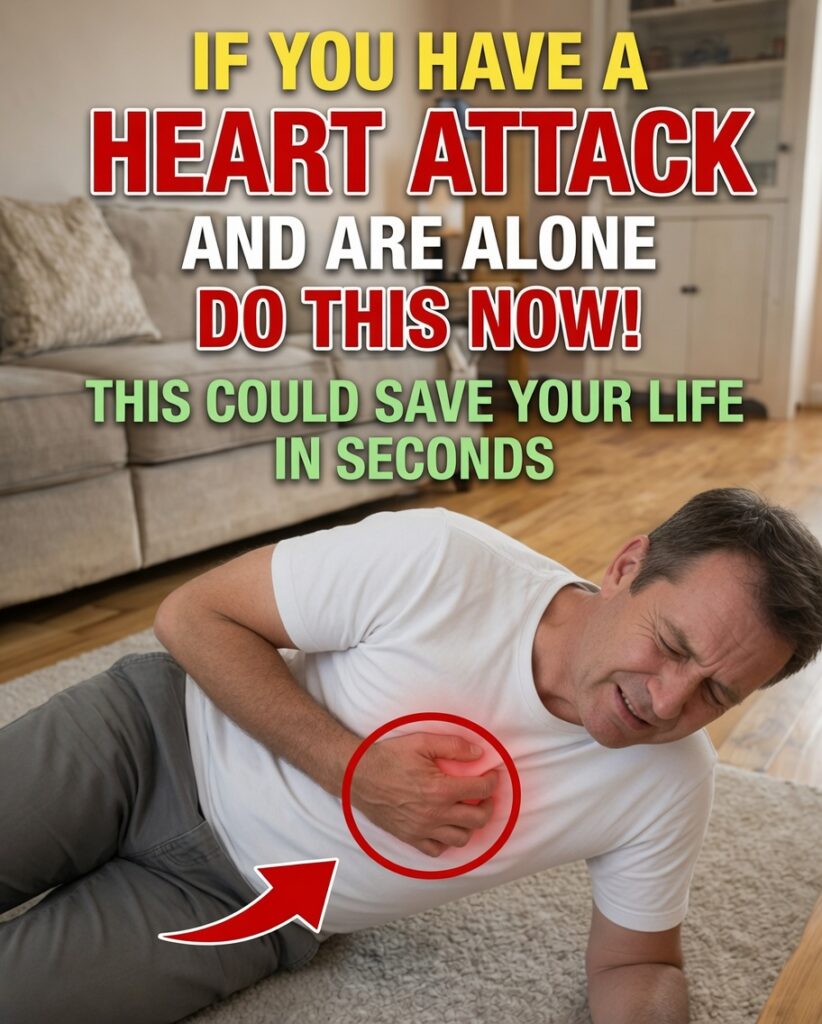
Would You Know a Heart Attack Is Coming? This Simple Step Could Save Your Life in Minutes
Picture this: you arrive home after a long, exhausting day, sit down to rest—and suddenly a crushing pressure tightens across your chest, as if something heavy is pinning you down. Your arm starts to ache, breathing becomes difficult, and an unexpected wave of nausea hits. Panic rises fast. You’re alone, with no one nearby to help. Then the fear lands: what do you do in the seconds that could change everything?
This scenario is more common than many people realize. The good news is that there are simple, evidence-based actions you can take to improve your chances of survival while medical help is on the way.
And one more critical point: a widely shared internet “tip” can actually make things worse instead of better. Read to the end to learn what truly matters in these high-stakes moments.
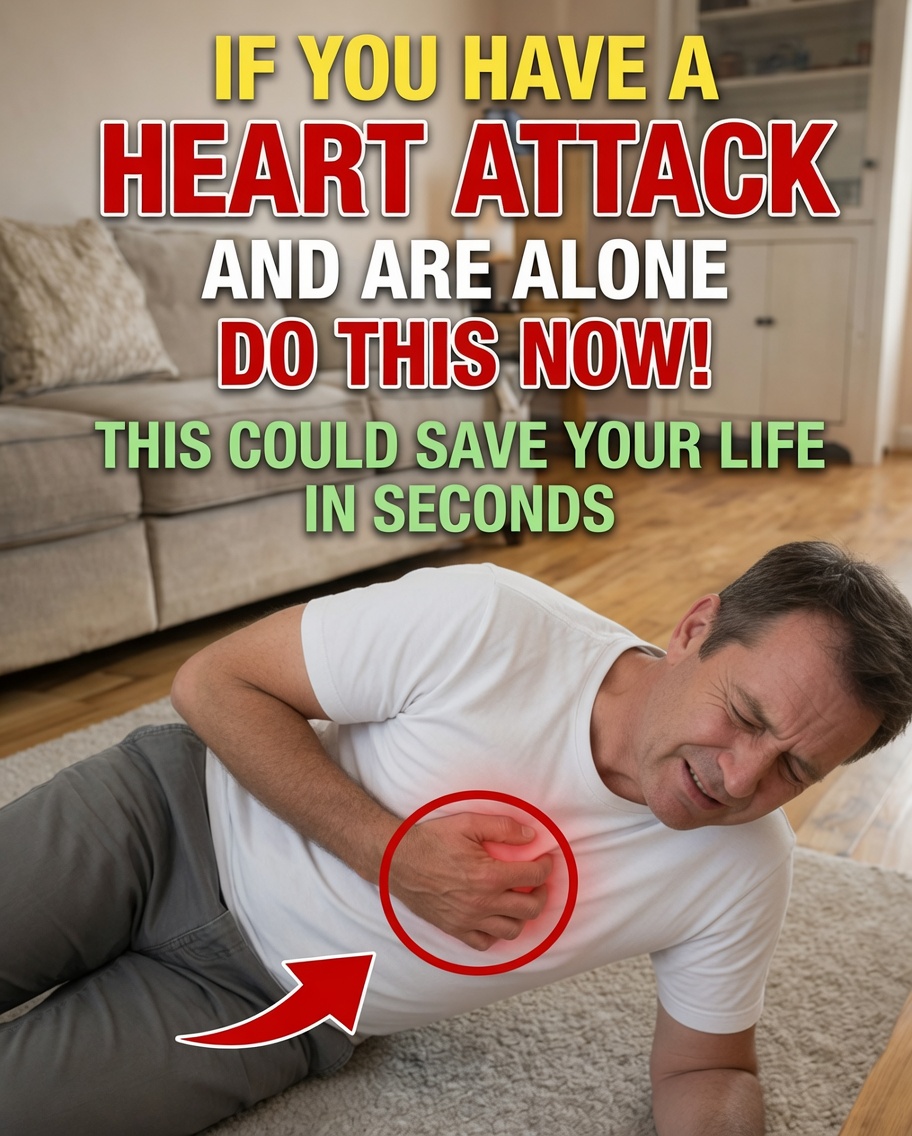
Recognize the Warning Signs: Your First Line of Defense
Not every heart attack starts dramatically. In many cases, the early signs are subtle—pressure, tightness, burning, or mild chest pain that may spread to the:
- Arms
- Shoulders
- Neck
- Jaw
- Back
Other common symptoms include:
- Shortness of breath
- Unusual fatigue
- Nausea
- Cold sweat
Women, in particular, may experience different patterns, such as extreme fatigue or back pain without intense chest pain.
Do not “wait it out.” Acting quickly can reduce heart damage and may save your life.
Step 1: Call Emergency Services Immediately
The single most important action is to call your local emergency number right away (for example, 192 in Brazil, 911 in the U.S., 112 in many countries). Do not hesitate.
Why this matters:
- Every minute counts
- Emergency responders have tools and medications you don’t
- Dispatchers can guide you in real time
If you’re alone:
- Call and stay on the line
- Unlock your door if you can do so safely
- Use your phone or a device to alert a neighbor or family member
- Follow the dispatcher’s instructions carefully
Do not try to drive yourself to the hospital.
Step 2: Stay Calm and Minimize Effort
Fear and panic can raise your heart rate and increase the heart’s oxygen demand—exactly what you don’t want. The goal is to stay as still and calm as possible.
What to do:
- Sit or lie down in a comfortable position
- Loosen tight clothing
- Take slow, controlled breaths
- Avoid any physical exertion
A practical technique: count slowly as you breathe to steady both your breathing and your thoughts.
Step 3: Consider Aspirin (Only If It’s Safe for You)
If a doctor has previously advised you, chewing an aspirin (around 300 mg) may help in some situations.
Important cautions:
- Only take aspirin if you have no allergy and no medical reason to avoid it
- Do not take it before calling emergency services
- Follow medical guidance from your clinician or the emergency dispatcher
Aspirin may help reduce clotting, but it never replaces urgent medical care.
Beware the “Cough CPR” Myth
You may have seen videos claiming you should cough repeatedly during a heart attack to “keep yourself alive.”
This is not recommended:
- It does not remove a heart blockage
- It can worsen the situation
- It may delay calling for help—the most critical step
The priority is straightforward: call emergency services, stay calm, and follow professional instructions.
Prepare Before It Happens
Your best protection is preparation. Consider these preventive steps:
- Know your personal risk factors
- Keep an up-to-date list of medications and allergies
- Consider a medical alert device if appropriate
- Talk to your doctor about heart attack prevention and warning signs
Small actions today can make a life-saving difference tomorrow.
When Help Arrives
Emergency responders will typically:
- Check your vital signs
- Provide oxygen and/or medications as needed
- Transport you safely to the hospital for urgent evaluation and treatment
The faster you act, the better your chances of recovery.
Conclusion
Facing a heart attack alone is terrifying—but remembering these three actions can change the outcome:
- Call emergency services immediately
- Stay calm and rest
- Use aspirin only if it is safe for you
The real “secret” is not a miracle trick. It’s rapid action and relying on professional medical help.
Take a moment today to think through your emergency plan—and share this information with the people you love. Knowledge matters, but action saves lives.